
It started like any other day at the Baghdad International Airport. At 12:32 AM, a convoy of three vehicles exited the airport, carrying some of Iran’s most powerful military leaders. Among them was Major General Qassem Soleimani, commander of the Quds Force, the elite special operations unit of the Iranian Revolutionary Guard Corps. Soleimani was a figure of near-mythical status, the architect of Iran’s shadowy military strategy across the Middle East, including attacks on US Forces in Iraq, Syria & elsewhere. His presence anywhere meant trouble was brewing.
Unbeknownst to the men in the convoy, they were already in the crosshairs. High above, an MQ-9 Reaper, a hulking drone with a wingspan of 66 feet, buzzed undetected in the night sky. Operated by the CIA, the Reaper was an instrument of American power, equipped with laser-guided Hellfire missiles and the ability to loiter for hours above a moving target until a strike window opened.
The Reaper had been watching. Its high-resolution cameras had tracked Soleimani’s movements, from his arrival in Baghdad to this moment. The drone’s operators, thousands of miles away at a secure facility in the United States, held their breath. This was the moment years of intelligence gathering had built towards.
At 12:47 AM, the decision was made. The order to strike came from then President Donald Trump & his administrations military leaders. A Hellfire flashed to life, shooting off the drone’s hardpoint. It sliced through the night, guided by the laser designator painting Soleimani’s vehicle.
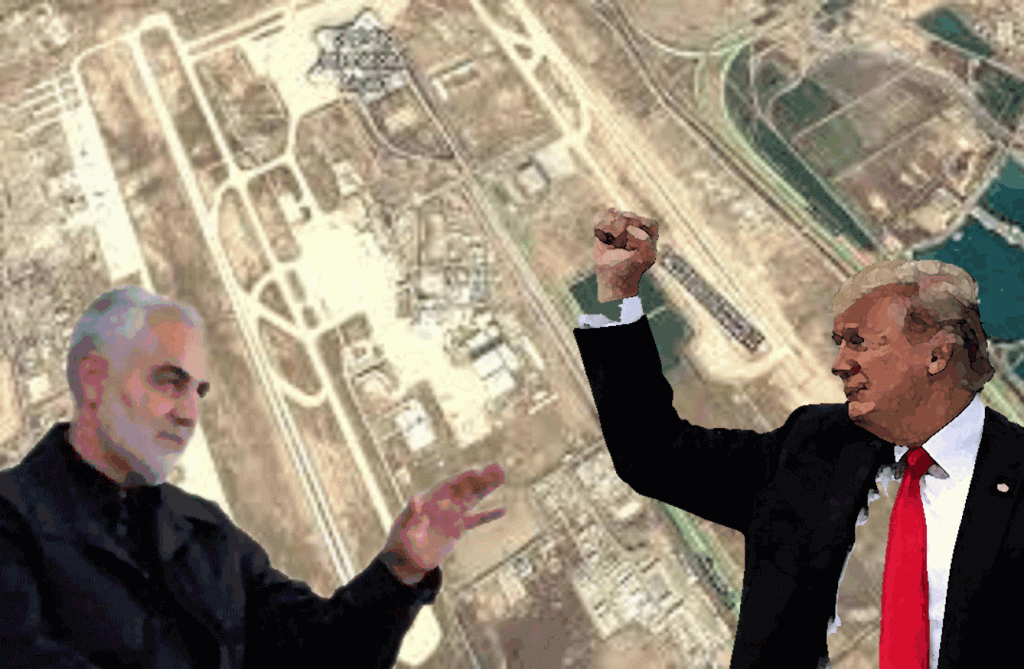
“At the direction of the President, the U.S. military has taken decisive defensive action to protect U.S. personnel abroad by killing Qassem Soleimani, the head of the Islamic Revolutionary Guard Corps-Quds Force, a U.S.-designated Foreign Terrorist Organization.”
Source: Statement by the Department of Defense. 02 January 2020
The missile struck with the force of a freight train. The convoy erupted in a fireball, the blast tossing burning wreckage aside like toys. Qassem Soleimani, the mastermind of Iran’s military aggression, was no more. The man who had orchestrated attacks on American troops, who had fueled chaos across the Middle East, met his end in an instant, delivered by an unseen hand from above. In short, he was transformed into a small pile of ashes with no collateral damage.
The strike against Soleimani marked a watershed moment in modern warfare. It showcased the unparalleled power of drones as instruments of precision, able to reach even the most elusive moving targets. But it also raised questions about the future of conflict, about the ethical and legal implications of remote-controlled warfare. As the world grapples with these questions, one thing is certain: the age of the drone is upon us, and it’s only just getting started.
Introduction
Unmanned Aerial Vehicles (UAVs) have fundamentally transformed modern warfare, offering unprecedented capabilities in intelligence, surveillance, reconnaissance (ISR), and combat operations. The strategic use of UAVs has revolutionized military tactics, providing a significant advantage through enhanced situational awareness, precision targeting, and operational flexibility. As technology continues to advance, the role of drones in defense and security becomes increasingly critical. The Pentagons recently announced Replicator initiative, a new blueprint for autonomous warfare, illustrates how strong the demand signal actually is from the largest customer, the Pentagon.

For a comprehensive deep dive into the Pentagons recently announced Replicator Initiative and its unprecedented demand signal for accelerating adoption of unmanned systems, please see our recent analysis:
ADA2: Replicators Blueprint for Autonomous Warfare.
In the realm of intelligence, surveillance, and reconnaissance (ISR) UAVs offer distinct advantages over traditional manned aircraft. Their ability to loiter for extended periods, gather high-resolution imagery, and provide real-time intelligence has proven invaluable in modern combat scenarios. Drones have been instrumental in various operations, from counter-terrorism missions in the Middle East to monitoring geopolitical hotspots. The strategic use of UAVs for ISR purposes not only enhances operational effectiveness but also minimizes risks to human personnel.
The introduction of advanced sensors, real-time data transmission, and autonomous flight capabilities enabled modern UAVs to perform complex missions previously unimaginable. From surveillance to strike operations, drones have become an integral part of military arsenals worldwide. From enhancing ISR capabilities to reshaping combat strategies, drones are at the forefront of military innovation. As nations continue to invest in UAV technology, the implications for global security dynamics and defense policies will be profound. In the following chapters, we will delve deeper into the technological advancements, strategic applications, and the rapidly advancing business of drones.
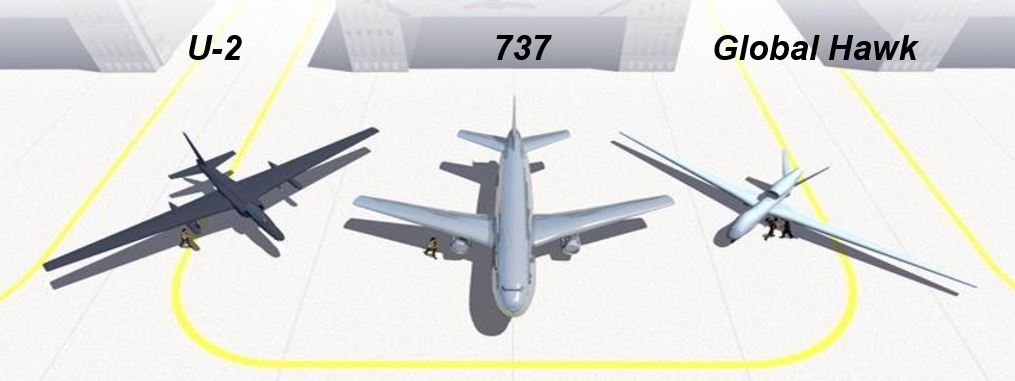
Our size diagram compares an RQ-4 Global Hawk with two well known aircraft, a U2 spy plane and a Boeing 737.
Advancements in Drone Technology
The rapid evolution of Unmanned Aerial Vehicles (UAVs) has been driven by significant technological advancements that have dramatically enhanced their capabilities. Modern UAVs boast innovations in design, functionality, and operational efficiency, making them indispensable tools in military operations. This chapter explores the key technological advancements in UAVs, highlighting improvements in speed, range, payload capacity, stealth features, and the integration of artificial intelligence (AI) and machine learning.
Technological Innovations in UAV Design and Functionality
One of the most notable advancements in UAV technology is the improvement in aerodynamics and structural materials, which has significantly enhanced their speed and range. Modern UAVs like the MQ-9 Reaper can travel at speeds up to 300 mph and have an operational range of over 1,000 miles. These capabilities allow drones to cover vast areas and reach distant targets, making them highly effective for long-duration surveillance missions and precision strikes.
Enhanced Capabilities: Speed, Range, Payload, and Stealth
The payload capacity of UAVs has also seen remarkable improvements. Drones can now carry various sensors, cameras, and weapons, enabling them to perform diverse missions. For example, the General Atomics MQ-9 Reaper can be equipped with a combination of Hellfire missiles and GBU-12 Paveway II laser-guided bombs, making it a versatile platform for both ISR and combat operations. The integration of advanced sensor packages, including electro-optical/infrared (EO/IR) cameras, synthetic aperture radar (SAR), and signals intelligence (SIGINT) systems, has significantly enhanced the ability of UAVs to gather and transmit real-time intelligence.

This synthetic aperture radar image has been annotated by an analyst and depicts the arrangement of a military runway and air defense batteries.
Source: Undisclosed
Stealth technology is another area where UAVs have seen significant advancements. Modern drones incorporate radar-absorbing materials and low-observable designs to reduce their radar cross-section (RCS), making them less detectable by enemy air defense systems. For instance, the Northrop Grumman RQ-170 Sentinel, known as the “Beast of Kandahar,” employs advanced stealth features to conduct high-altitude surveillance missions without being easily detected.
Integration of AI and Machine Learning
The incorporation of AI and machine learning into UAV technology has revolutionized their operational capabilities. AI algorithms enable drones to perform autonomous navigation, target recognition, and decision-making processes, reducing the need for human intervention and increasing operational efficiency. Machine learning algorithms enhance the precision of drone strikes by improving target identification and minimizing collateral damage. These algorithms can process real-time video feeds and sensor data, allowing drones to differentiate between combatants and non-combatants with greater accuracy. Additionally, AI-driven predictive maintenance systems help monitor the health of UAV components, ensuring timely repairs and reducing the risk of mechanical failures during critical missions.

For a comprehensive deep dive into the the impact of artificial intelligence and algorithmic warfare on unmanned systems, please see our recent analysis:
Nowhere to Hide: The AI Revolution in Surveillance & Targeting Sensors.
Future Trends in UAV Technology
Looking ahead, several emerging trends in UAV technology promise to further expand their capabilities. Swarm technology, which involves the coordinated operation of multiple drones, is being developed to overwhelm enemy defenses and conduct complex missions more efficiently. Autonomous swarms can perform tasks such as search and rescue, electronic warfare, and distributed ISR, leveraging their collective intelligence to adapt to dynamic environments.
Another promising area is the development of hybrid UAVs that combine the vertical takeoff and landing (VTOL) capabilities of helicopters with the speed and range of fixed-wing aircraft. These hybrid designs offer greater operational flexibility, allowing drones to operate in diverse terrains and confined spaces. Additionally, advances in energy storage and propulsion systems are expected to extend the endurance and operational range of UAVs, enabling them to perform longer missions without refueling.
The integration of 5G technology is set to enhance the connectivity and data transfer capabilities of UAVs, allowing for faster and more reliable communication between drones and ground control stations. This will enable real-time data sharing and collaborative decision-making, further enhancing the effectiveness of UAV operations.
The continuous advancements in UAV technology have significantly enhanced their speed, range, payload capacity, and stealth features, making them vital assets in modern military operations. The integration of AI and machine learning has further revolutionized their capabilities, enabling autonomous navigation, precise targeting, and efficient data analysis. As these technologies continue to evolve, UAVs will play an increasingly critical role in future warfare, offering unparalleled advantages in intelligence, surveillance, reconnaissance, and combat.
The Role of Drones in Intelligence, Surveillance, and Reconnaissance (ISR)
Unmanned Aerial Vehicles (UAVs) have become indispensable tools in intelligence, surveillance, and reconnaissance (ISR) operations, providing real-time data and situational awareness that are crucial for informed decision-making in military contexts. This chapter delves into the importance of ISR in modern military operations, the ways in which UAVs enhance ISR capabilities, and several case studies demonstrating their effectiveness. UAVs have revolutionized ISR operations through their advanced technological features and operational flexibility. Some of the key enhancements they provide include:
Extended Endurance: UAVs can remain airborne for extended periods, allowing for continuous monitoring and data collection. This is particularly useful for missions that require persistent surveillance over large areas or prolonged observation of specific targets. For example, the MQ-9 Reaper has an endurance of over 27 hours, enabling it to conduct long-duration ISR missions without the need for frequent refueling .
High-Resolution Imaging: Modern UAVs are equipped with state-of-the-art imaging systems, including electro-optical/infrared (EO/IR) cameras, synthetic aperture radar (SAR), and multispectral sensors. These systems provide high-resolution imagery and detailed analysis of the terrain, structures, and activities within the surveillance area, even in adverse weather conditions or low-visibility environments .
Real-Time Data Transmission: UAVs can transmit data in real-time to command and control centers, enabling immediate analysis and decision-making. This capability is crucial for dynamic military operations where timely intelligence can significantly impact the outcome. The ability to relay live video feeds and sensor data allows commanders to make informed decisions quickly and adjust tactics as needed.
Covert Operations: Many UAVs are designed with low-observable technologies that make them difficult to detect by enemy radar systems. This stealth capability allows UAVs to conduct covert surveillance missions, gathering intelligence without alerting the adversary. For instance, the RQ-170 Sentinel, known for its stealth features, has been used in sensitive reconnaissance missions in hostile territories.
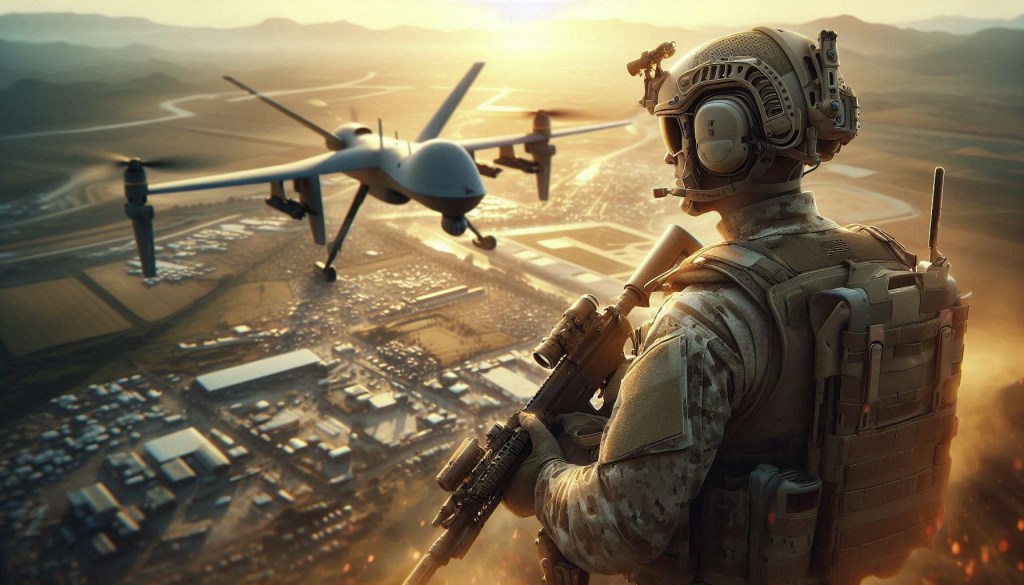
Case Studies of UAVs in Recent Military Campaigns
UAVs have been deployed extensively in various conflict zones around the world, proving their versatility and effectiveness in diverse operational contexts. A few notable examples includes:
Operation Neptune Spear: During the mission to capture or kill Osama bin Laden in 2011, UAVs played a critical role in providing real-time surveillance and intelligence. The RQ-170 Sentinel, with its advanced stealth and imaging capabilities, monitored the compound in Abbottabad, Pakistan, and provided live feeds to the command center, facilitating the successful execution of the mission .
Operation Inherent Resolve: In the fight against ISIS in Iraq and Syria, UAVs have been instrumental in conducting ISR operations to identify and track militant positions, movements, and supply routes. The persistent surveillance provided by MQ-9 Reapers and other drones has enabled coalition forces to carry out precise airstrikes and ground operations, significantly degrading the capabilities of ISIS.
Libya Civil War: During the Libyan Civil War, both sides utilized UAVs for reconnaissance and combat operations. The Turkish-made Bayraktar TB2 drones played a crucial role in providing intelligence and conducting airstrikes against enemy forces, significantly influencing the outcome of several key battles.
Syrian Civil War: In Syria, UAVs have been instrumental in the fight against ISIS. The US-led coalition used drones extensively for surveillance and precision strikes, disrupting ISIS operations and targeting their leadership. The combination of real-time intelligence and precise targeting capabilities made UAVs a critical asset in the campaign.
Nagorno-Karabakh Conflict: The 2020 conflict between Armenia and Azerbaijan saw extensive use of UAVs, particularly by Azerbaijani forces. Drones such as the Bayraktar TB2 and Israeli-made Harop loitering munitions were used effectively to destroy Armenian tanks, artillery, and air defense systems. The conflict highlighted the transformative impact of UAVs on modern warfare, where drone technology played a decisive role in achieving military objectives.
Ukraine Conflict: In the ongoing conflict in Ukraine, both Ukrainian and Russian forces have utilized UAVs for ISR and combat missions in what can best be described as a drone supremacy battle lab. Ukrainian forces have used first-person view (FPV) drones for artillery spotting, surveillance, and direct attacks on Russian tanks and convoys. The conflict has underscored the importance of UAVs in modern combat, with both sides adapting their tactics.
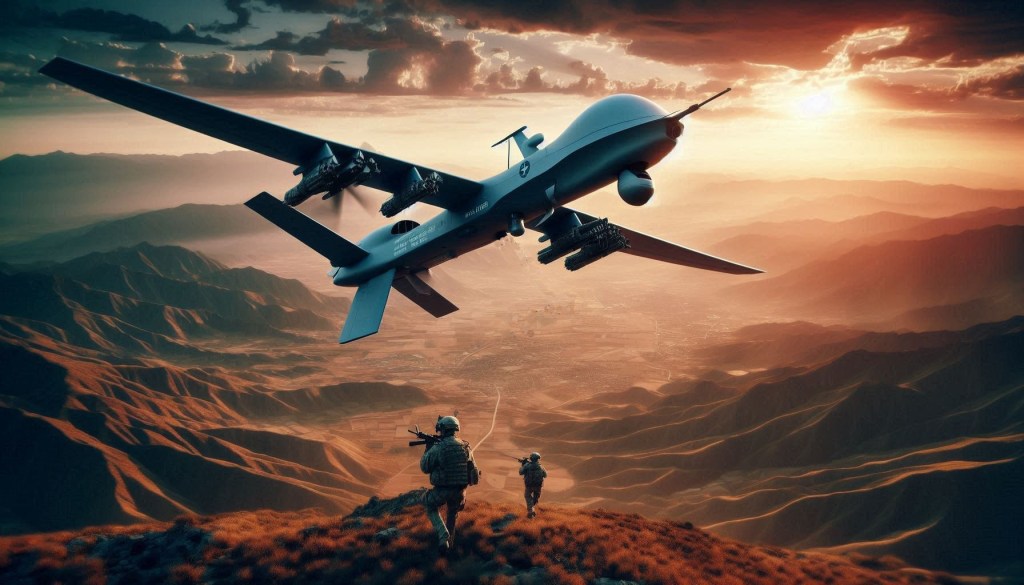
Strategic Applications of Drones in Combat
Unmanned Aerial Vehicles (UAVs) have not only enhanced intelligence, surveillance, and reconnaissance (ISR) capabilities but also redefined strategic combat operations. This chapter delves into the multifaceted roles of UAVs in offensive operations, their use for targeted strikes and precision bombing, and several examples of UAVs in action within conflict zones. The integration of drones into military strategies has allowed for more precise, efficient, and lower-risk operations.
UAVs have become pivotal in offensive military operations due to their ability to provide precise targeting, minimize collateral damage, and reduce risks to human soldiers. Their integration into combat strategies allows for real-time adjustments and more flexible responses to dynamic battlefield conditions. UAVs can carry out a variety of offensive tasks, including direct attacks, close air support, and suppression of enemy air defenses (SEAD).
For instance, the MQ-9 Reaper, a hunter-killer drone, is designed explicitly for offensive missions. It can be armed with a combination of AGM-114 Hellfire missiles and GBU-12 Paveway II laser-guided bombs, enabling it to engage a wide range of targets, from enemy combatants to fortified positions.
One of the most significant contributions of UAVs to modern warfare is their ability to conduct targeted strikes against moving targets in all weather with high precision. This capability is especially valuable in counter-terrorism operations where minimizing civilian casualties and collateral damage is paramount. UAVs can loiter over target areas for extended periods, providing continuous surveillance and ensuring that targets are positively identified before engagement.
A notable example of precision targeting by UAVs is the use of the MQ-9 Reaper in eliminating high-value targets in counter-terrorism missions. The Reaper’s advanced sensors and precision-guided munitions enable it to strike with pinpoint accuracy, significantly reducing the risk of unintended damage.

The Business of Drones

A big market about to get even bigger.
According to various estimates, the Worldwide sales of drones are expected to climb to US$ 223.66 billion by the end of 2034, up from $ 29.96 billion in 2024. The global drone market size is projected to expand at a remarkable CAGR of 22.3% from 2024 to 2034.
Which Companies Stand to Gain the Most?
General Atomics Aeronautical Systems Inc. is based in San Diego, California, USA. They manufacture the MQ-1 Predator and MQ-9 Reaper drones, which can carry Hellfire missiles, laser-guided bombs, synthetic aperture radar, and electro-optical/infrared sensors.
Northrop Grumman Corporation, located in Falls Church, Virginia, USA, produces the Global Hawk and Triton drones. These models are equipped with ISR (Intelligence, Surveillance, Reconnaissance) sensors, radar systems, and communications relays.
Lockheed Martin, headquartered in Bethesda, Maryland, USA, is known for the Stalker and Desert Hawk drones. Their payloads include electro-optical/infrared sensors, communications systems, and small precision-guided munitions.
Boeing Insitu operates from Bingen, Washington, USA, and their notable drones are the ScanEagle and Integrator. These drones are designed to carry ISR sensors and small payloads for intelligence gathering.
AeroVironment Inc. is based in Simi Valley, California, USA. Their models include the Raven, Puma 3, and Wasp drones, which feature day/night cameras, laser designators, and GPS guidance.
Elbit Systems, headquartered in Haifa, Israel, manufactures the Hermes 450 and Hermes 900 drones. These drones are equipped with ISR sensors, communications equipment, and electronic warfare systems.
IAI (Israel Aerospace Industries), located in Tel Aviv, Israel, produces the Heron and Eitan (Heron TP) drones. They carry electro-optical/infrared sensors, SIGINT (Signals Intelligence) equipment, and precision-guided munitions.
DRDO (Defense Research and Development Organization), based in New Delhi, India, is known for the Rustom-1 and Rustom-2 drones. Their payloads include ISR sensors, radar systems, and electronic warfare equipment.
SAAB, located in Linköping, Sweden, manufactures the Skeldar V-200 drone. It can carry ISR sensors, surveillance systems, and small guided munitions.
Thales Group, headquartered in Paris, France, produces the Watchkeeper WK450 drone. This drone features ISR sensors, communications systems, and radar systems.
Airbus Defense and Space, based in Toulouse, France, is known for the Eurodrone. This model is equipped with ISR sensors and electronic warfare systems.
Leonardo S.p.A., headquartered in Rome, Italy, manufactures the Falco and Falco EVO drones. Their payloads include ISR sensors and radar systems.
Hensoldt, located in Taufkirchen, Germany, produces the T-250 drone. It is equipped with ISR sensors and radar systems.
Textron Systems, based in Wilmington, Massachusetts, USA, is known for the Shadow 200 and RQ-7B drones. These models feature ISR sensors and small precision-guided munitions.
Denel Dynamics, located in Pretoria, South Africa, manufactures the Seeker 400 drone. It is equipped with ISR sensors and radar systems.
Korean Aerospace Industries (KAI), based in Sacheon, South Korea, produces the KUH-1 and RQ-2 drones. They carry ISR sensors and small munitions.
ST Engineering, headquartered in Singapore, manufactures the Skyblade and Polaris drones. Their payloads include ISR sensors and communications systems.
Turbomeca, located in Bordes, France, produces the Arriel drone. It is equipped with ISR sensors and radar systems.
Bluebird Aero Systems, based in Tel Aviv, Israel, manufactures the SpyLite and ThunderB drones. They carry ISR sensors and small guided munitions.
Anduril Industries, headquartered in Costa Mesa, California, USA, produces the Ghost and Anvil drones. These models are designed for surveillance and reconnaissance, with capabilities including advanced ISR sensors and modular payload options for various operational needs.

Which Companies Make Weapons & Sensors Specifically for UAV’s?
Raytheon Technologies, based in Waltham, Massachusetts, USA, produces precision-guided munitions such as the Griffin missile and Tomahawk cruise missile, which can be used as drone payloads. They also offer advanced sensors and electronic warfare systems.
Lockheed Martin, headquartered in Bethesda, Maryland, USA, provides various payloads for drones, including the Hellfire missile and Paveway laser-guided bombs. They also offer advanced electro-optical and infrared sensors.
Northrop Grumman, located in Falls Church, Virginia, USA, offers a range of payloads including precision-guided munitions and advanced ISR sensors, along with electronic warfare systems for drone integration.
General Atomics Aeronautical Systems Inc., based in San Diego, California, USA, supplies Hellfire missiles and other precision-guided munitions as payloads for drones. They also provide advanced ISR sensors and radar systems.
Boeing, headquartered in Chicago, Illinois, USA, produces precision-guided bombs and missiles, along with advanced payloads such as communication systems and ISR sensors for drones.
MBDA, with locations in France, the UK, Germany, and Italy, manufactures a range of air-to-surface missiles including the Brimstone and Storm Shadow, which can be used as payloads for drones. They also provide advanced guidance and control systems.
Thales Group, based in Paris, France, offers advanced payloads for drones, including precision-guided munitions and ISR sensors, as well as electronic warfare systems and radar technologies.
Leonardo S.p.A., headquartered in Rome, Italy, provides various precision-guided munitions and ISR sensors suitable for drone integration. They also offer advanced electronic warfare and communications payloads.
Elbit Systems, located in Haifa, Israel, manufactures payloads including the Spice precision-guided bombs and advanced ISR sensors such as electro-optical/infrared systems for drones.
IAI (Israel Aerospace Industries), based in Tel Aviv, Israel, offers payloads including the Delilah precision-guided missile, various ISR sensors, radar systems, and electronic warfare equipment for drones.
SAAB, headquartered in Linköping, Sweden, produces payloads such as the RBS-15 missile and advanced ISR sensors for drone integration, as well as electronic warfare systems.
Rheinmetall, located in Düsseldorf, Germany, provides precision-guided munitions including the Wiesel air-to-surface missile and various advanced sensors for drones.
Kongsberg Gruppen, based in Kongsberg, Norway, manufactures the Joint Strike Missile (JSM) and other precision-guided munitions, as well as advanced sensors and communications payloads for drones.
Denel Dynamics, headquartered in Pretoria, South Africa, offers munitions such as the Mokopa missile and ISR sensors for drone integration, along with advanced electronic warfare systems.
Hensoldt, located in Taufkirchen, Germany, provides advanced ISR sensors, radar systems, and electronic warfare payloads that can be integrated into drones.
AeroVironment Inc., based in Simi Valley, California, USA, supplies various small precision-guided munitions and ISR sensors for their own drones as well as other platforms.
ST Engineering, headquartered in Singapore, manufactures ISR sensors and various payloads for integration with their own drones and other platforms.
Anduril Industries, located in Costa Mesa, California, USA, provides advanced ISR sensors, electronic warfare systems, and modular payload options, including munitions for their drones.
Textron Systems, based in Wilmington, Massachusetts, USA, offers precision-guided munitions such as the CBU-105 and advanced ISR payloads for drone integration.
Bluebird Aero Systems, headquartered in Tel Aviv, Israel, manufactures ISR sensors and small precision-guided munitions suitable for their drones and other platforms.

The Future of UAVs in Warfare
As technological advancements continue to push the boundaries of what’s possible with Unmanned Aerial Vehicles (UAVs), the future of warfare is set to be significantly influenced by drone technology. This chapter explores the emerging trends, potential innovations, and future applications of UAVs in military operations. It also discusses the strategic implications of these advancements for global security and defense strategies.
Emerging Trends in UAV Technology
Swarm Technology: One of the most promising developments in UAV technology is the concept of drone swarms. Swarm technology involves the coordinated operation of multiple UAVs, working together to accomplish complex missions. These swarms can adapt to dynamic environments, share information in real-time, and perform tasks such as search and rescue, electronic warfare, and distributed ISR. The use of swarms can overwhelm enemy defenses and provide redundancy, making it difficult for adversaries to counter them effectively.
Hybrid UAVs: The development of hybrid UAVs that combine the vertical takeoff and landing (VTOL) capabilities of helicopters with the speed and range of fixed-wing aircraft is another significant trend. These hybrid drones offer greater operational flexibility, allowing them to operate in diverse terrains and confined spaces. They are particularly useful for missions that require rapid deployment and extended range.
Advanced AI and Autonomy: The integration of advanced artificial intelligence (AI) and machine learning algorithms is set to revolutionize UAV operations. AI-driven drones can perform autonomous navigation, target recognition, and decision-making processes, reducing the need for human intervention. These capabilities enhance the efficiency and effectiveness of UAV missions, allowing for more precise targeting and real-time adaptation to changing conditions.
Enhanced Stealth and Survivability: Future UAVs will likely incorporate advanced stealth technologies to reduce their radar cross-section (RCS) and increase their survivability in contested environments. These advancements will make UAVs more difficult to detect and intercept, enhancing their ability to conduct covert operations and survive in hostile airspace.
Drone-Carrying Motherships: The concept of using larger, manned or unmanned “mothership” aircraft to deploy and recover smaller UAVs is gaining traction. These motherships can act as command centers, extending the operational range and capabilities of their drone fleets. This approach enables rapid deployment of UAVs over vast areas and enhances their versatility in various mission scenarios.
Logistics and Supply Chain: UAVs are poised to play a significant role in military logistics and supply chain management. Autonomous drones can deliver supplies, equipment, and medical aid to frontline troops, reducing the risks associated with traditional supply convoys. This capability is especially valuable in remote or contested areas where ground-based logistics operations are challenging.
Cyber Warfare and Electronic Warfare: Future UAVs will likely be equipped with advanced cyber warfare and electronic warfare capabilities. They can be used to disrupt enemy communications, gather signals intelligence (SIGINT), and conduct cyber-attacks on adversary infrastructure. These capabilities will be crucial in modern conflicts where information dominance is key to achieving strategic objectives
Disaster Response and Humanitarian Aid: Beyond combat operations, UAVs have significant potential in disaster response and humanitarian aid. Drones can be deployed to assess damage, deliver aid, and support search and rescue operations in disaster-stricken areas. Their ability to operate in difficult-to-reach locations makes them invaluable assets in emergency response efforts.

Strategic Implications for Global Security
The advancements in UAV technology and their expanding applications will have profound strategic implications for global security and defense strategies:
Asymmetric Warfare: UAVs provide a cost-effective means for smaller states and non-state actors to engage in asymmetric warfare against technologically superior adversaries. The ability to deploy swarms or conduct precision strikes can level the playing field, posing new challenges for established military powers.
Deterrence and Defense Postures: Nations will need to adapt their deterrence and defense postures to account for the capabilities of UAVs. This includes developing counter-drone technologies, enhancing air defense systems, and investing in electronic warfare measures to neutralize drone threats.
Arms Race and Proliferation: The rapid advancement of UAV technology could trigger an arms race, with countries striving to develop more advanced drones and countermeasures. International efforts to regulate the proliferation of UAVs and establish norms for their use will be crucial to prevent destabilizing effects on global security.
Ethical and Legal Frameworks: As UAVs become more autonomous and integrated into military operations, there will be an increased need for robust ethical and legal frameworks to govern their use. Addressing issues related to autonomy, accountability, and the protection of non-combatants will be essential to ensure the responsible deployment of UAVs in warfare.
The future of UAVs in warfare is marked by exciting technological advancements and expanding strategic applications. These innovations will enhance the capabilities of military forces, providing new opportunities and challenges in the evolving landscape of global security. As nations navigate the complexities of integrating UAVs into their defense strategies, the need for international cooperation, ethical considerations, and legal frameworks will be paramount to ensure that these powerful tools are used responsibly and effectively.
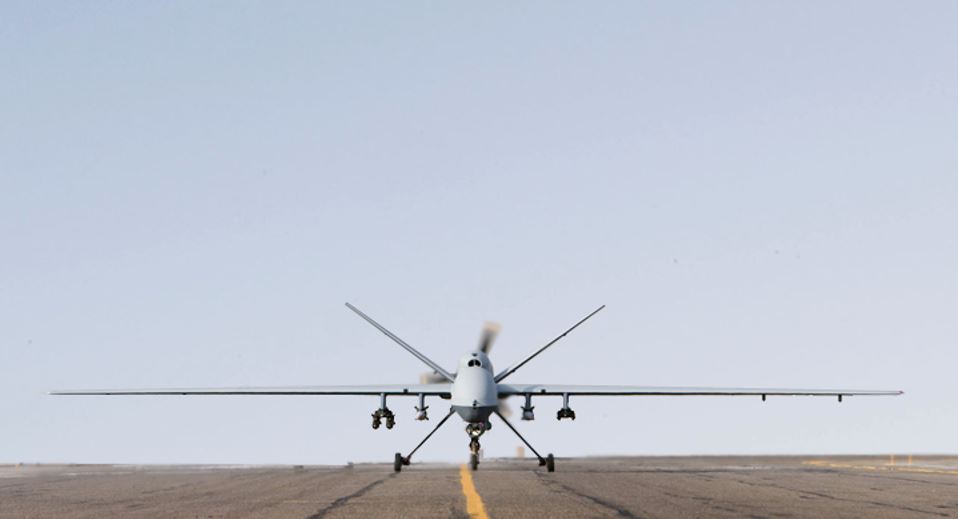
Conclusion
The integration of Unmanned Aerial Vehicles (UAVs) into contemporary military operations has ushered in a new era of warfare, marked by enhanced capabilities in intelligence, surveillance, reconnaissance (ISR), and new concepts for offensive operations. In todays world of great power rivalry and proxy conflicts, UAVs have been battle lab tested and re-engineered, proving their worth in providing precision targeting, reducing risks to human soldiers, and offering unparalleled flexibility and endurance.
The strategic applications of UAVs, from swarm technology to advanced AI-driven autonomous operations, are poised to further transform military tactics and strategies in radical and unsettling new ways. These innovations promise greater operational efficiency and effectiveness but also necessitate careful consideration of ethical implications, particularly concerning autonomy in lethal decision-making and the protection of non-combatants.
Looking to the future, the role of UAVs in warfare will continue to expand, influencing global security dynamics and defense strategies. The potential for asymmetric warfare, the necessity of counter-drone technologies, and the acceleration of a drone arms race underscore the importance of maintaining the war fighters edge.
As we observe the beginning of a new era of technological surprise using innovative remotely piloted and autonomous air vehicles, we can see the future of UAVs in warfare holds immense potential, and with careful stewardship, it can lead to more freedom of action and security in a world filled with increasing volatility, uncertainty, complexity, and ambiguity (VUCA).
Authors Note
The author asserts that first-hand experience and expertise can make any professional decision better, and ultimately, experience creates expertise. During my time with Air Force Battle Management, I provided engineering and acquisition strategy support to PEO Digital and their 350th Electronic Systems Wing in various assignments including Program Manager, Acquisition Strategy, Systems Engineer and others supporting RQ-4, MQ-9 & other UAS.

The 17 division strong Program Executive Office Digital (a.k.a. Battle Management) or PEO HB Digital based out of Hanscom AFB in Lincoln MA. provides acquisition execution of a thirteen (13) billion dollar budget for delivering the war fighters edge in the air, in outer space, and in cyberspace. As part of the 30,000 man strong Air Force Life Cycle Management Center, the group is responsible for cradle to grave of all Air Force weapon systems. Comprised of a mix of uniformed military, high ranking federal employees, and a large number of embedded contractors, the 4,300 person group is organized and supported by test squadrons, applied research groups, proto-type engineering teams, multiple software factories (including the famous Kessel Run), Federally Funded Research & Development Centers like MIT Lincoln Laboratory, MITRE, Aerospace Corp, Draper Labs, the Air Force Research Lab, and also helps deliver a portfolio of forty two (42) primary enterprise business services for a user base of 627,000 personnel. PEO Digital is also the largest PEO in the AFLCMC.
This article is informed from assignments with Air Force Life Cycle Management Center, the Cyber Resiliency Office for Weapon Systems and US Air Force PEO Digital in the United States and elsewhere.
Acknowledgements & Image Credits
{1} Our un-biased analysis includes mention of specific companies and their UAV electro-mechanical assembly innovations. All registered trade marks and trade names are the property of their respective owners.
{2} “Unmanned Arsenal: Emerging Trends in The Business of Drones”. Image Credit: PWK International Advisers. July 19, 2024.
{3} “At the direction of the President, the U.S. military has taken decisive defensive action to protect U.S. personnel abroad by killing Qassem Soleimani, the head of the Islamic Revolutionary Guard Corps-Quds Force, a U.S.-designated Foreign Terrorist Organization”. Source: Statement by the Department of Defense 02 January 2020. “Technological Surprise at the Baghdad Airport – President Donald Trump vs. Major General Qassem Soleimani”. Image Credit: PWK International Advisers. July 12, 2024
{4} Deputy Secretary of Defense Kathleen Hicks announces the Replicator initiative to accelerate the adoption of unmanned systems. DoD photo by DoD photo by Lisa Ferdinando. A Moneyball Military | Replicator’s Blueprint for Autonomous Warfare
{5} “Our size diagram compares an RQ-4 Global Hawk with two well known aircraft, a U2 spy plane and a Boeing 737”. Image Credit: PWK International Advisers. December 5, 2015
{6} “This synthetic aperture radar image has been annotated by an analyst and depicts the arrangement of a military runway and air defense batteries”. Source: Undisclosed
{7} Nowhere To Hide | The AI Revolution in Surveillance & Targeting Sensors Credit: PWK International Advisers. March 25 2024
{8} “The Role of Drones in Intelligence, Surveillance, and Reconnaissance (ISR)”. Image Credit: PWK International Advisers. July 15, 2024
{9} “Case Studies of UAVs in Recent Military Missions”. Image Credit: PWK International Advisers. July 8, 2024
{10} “Strategic Applications of Drones in Combat”. Image Credit: PWK International Advisers. July 12, 2024
{11} “The Business of Drones: Which Companies Stand to Gain the Most: Image Credit: PWK International Advisers. July 11, 2024
{12} “The Future of UAVs in Warfare”. Image Credit: PWK International Advisers. July 15, 2024
{13} “Strategic Implications for Global Security”. Image Credit: PWK International Advisers. July 10, 2024
{14} “Ready for Takeoff” Conclusion. Image Credit: US Air Force
{15} “Innovate Deploy Win”. Image Credit: US Air Force PEO Digital
About PWK International Advisers
PWK International provides national security consulting and advisory services to clients including Hedge Funds, Financial Analysts, Investment Bankers, Entrepreneurs, Law Firms, Non-profits, Private Corporations, Technology Startups, Foreign Governments, Embassies & Defense Attaché’s, Humanitarian Aid organizations and more.
Services include telephone consultations, analytics & requirements, technology architectures, acquisition strategies, best practice blue prints and roadmaps, expert witness support, and more.
From cognitive partnerships, cyber security, data visualization and mission systems engineering, we bring insights from our direct experience with the U.S. Government and recommend bold plans that take calculated risks to deliver winning strategies in the national security and intelligence sector. PWK International – Your Mission, Assured.


















 pwkinternational.com
Pingback: Anduril’s Edge: A New Era of Defense Innovation |
Pingback: Moneyball Conflicts: The Trump Effect on the Business of War |