
In the shadowy world of the business of government and black-budget projects, the line between science fiction and reality often blurs in ways that captivate the imagination and stir up endless speculation. From clandestine moon bases to mysterious energy weapons causing bizarre ailments, these tales of forbidden technologies push the boundaries of what we believe is possible. In this article, we’ll delve into some of the most compelling and controversial topics whispered about in the halls of power. These aren’t just your run-of-the-mill classified projects; they are the stuff of legend, where the truth is often stranger than any Hollywood screenwriter created fiction.
We’ll start by exploring the dark side of the moon—not the Pink Floyd album, but the alleged Lunar Operations Command, where secret bases and cosmic diplomacy are said to unfold far from prying eyes. Then, we’ll plunge into the icy depths of Antarctica, where rumors of hidden bases and high-tech telescopes scanning the cosmos have fueled decades of speculation. These aren’t just relics of Cold War paranoia; they are enduring mysteries that continue to pique the interest of those who wonder what secrets lie beneath the frozen surface.
As we journey through this murky landscape, we’ll also examine the enigmatic Havana Syndrome, a modern-day mystery that’s been linked to covert energy weapons and Russian counter intelligence technological surprise. What’s really behind the strange symptoms experienced by diplomats and spies around the world? Is it a new form of warfare, or something even more sinister? And what about the notorious HAARP program, often accused of weather manipulation and mind control? The deeper you dig, the stranger the stories become.
What is Whistleblower Technology?

Whistleblower technology is the act of challenging extreme and often secretive technological advancements that push the boundaries of ethical behavior. Edward Snowden’s exposure of the NSA’s PRISM state surveillance program is a prime example, where the technology was so invasive and far-reaching that it compelled him to risk everything to reveal its existence. This type of whistleblowing forces the world to confront the darker side of innovation and how technology can both protect and violate privacy, security, and ethics.
“Any sufficiently advanced technology is equivalent to magic”. – Arthur C. Clarke (Film Maker and Author)

Whistleblowers and Forbidden Tech: Twelve (12) Science Secrets and Cold War Mysteries
Image Credit: National Science Foundation

Lunar Operations Command (LOC) and Secret Moon Bases: Alleged secret bases on the far side of the moon, used for advanced space operations, cosmic diplomacy, or covert military projects.
Project Iceworm and the Greenland Under-Ice Tunnels: A Cold War-era U.S. Army project to build a network of mobile nuclear missile launch sites under the Greenland ice sheet, with rumored ongoing advanced research.

Minimum Essential Emergency Communications Network (MEECN), A secretive satellite constellation that was developed to assure the timely receipt of emergency action messages by worldwide U.S. nuclear forces in subs and silos under nuclear attack by the Soviet Union.
HAARP and Atmospheric Manipulation: The High-Frequency Active Auroral Research Program is often linked to weather control, earthquake generation, and even mind control experiments.

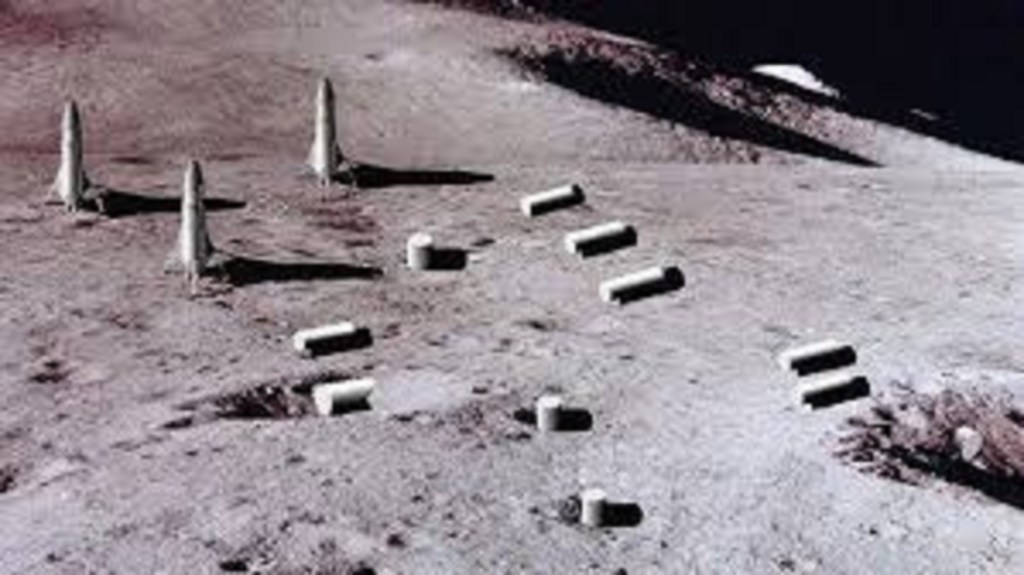
Project Horizon: Military Outposts on the Moon: A top-secret U.S. Army project from the 1950s to establish a permanently manned lunar outpost for strategic military purposes and technological experiments.
The Pine Gap Facility: Australia’s Area 51: A highly secretive joint U.S.-Australian intelligence facility, rumored to be involved in space-based weaponry and deep space surveillance.
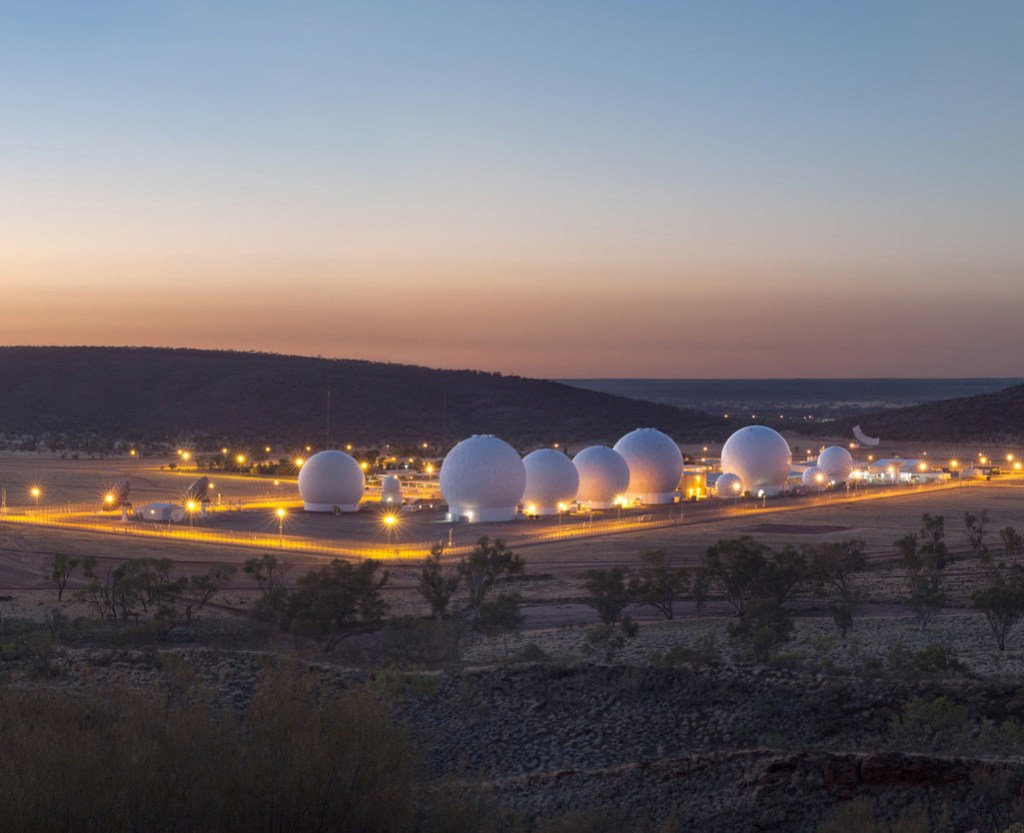
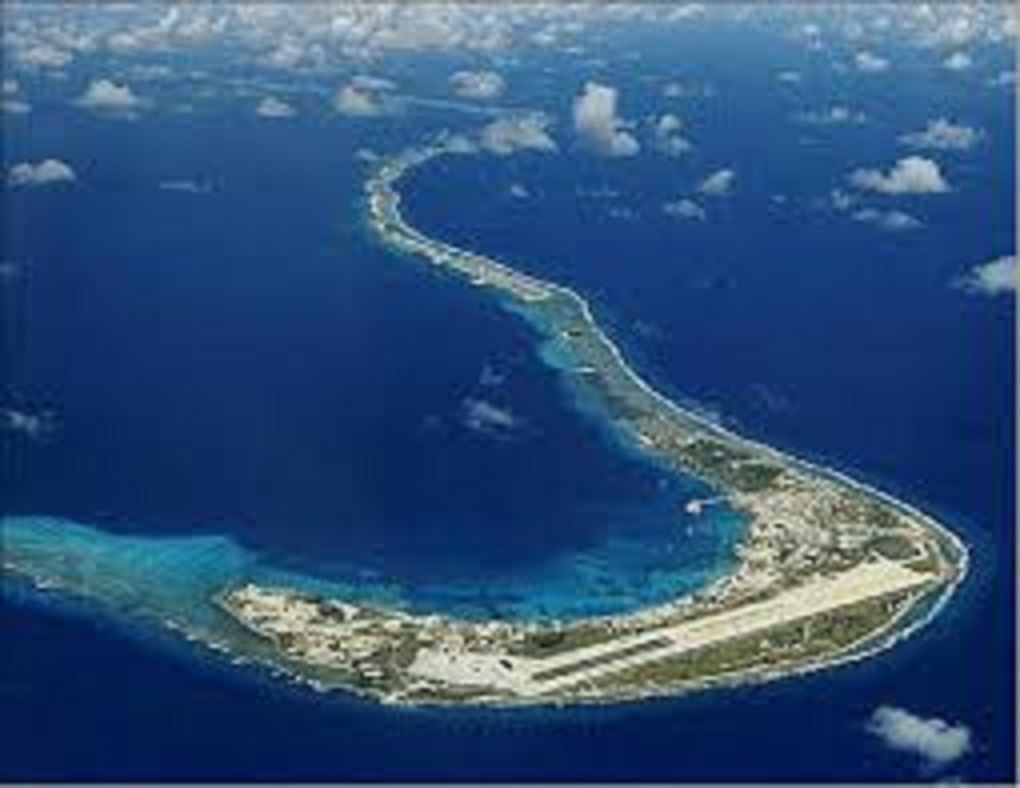
The Space Fence on Kwajalein Island: A ground-based radar system operated by the U.S. Air Force that monitors space objects in low-Earth orbit (LEO) with a radar that can detect objects as small as a marble.
Project Aurora: A rumored hypersonic reconnaissance aircraft developed by the U.S. Air Force, capable of speeds far beyond current jet technology.


The Montauk Project: Alleged government experiments focused on psychological warfare, time travel, and mind control, supposedly conducted at Camp Hero in Montauk, New York.
Project MKUltra: CIA-led mind control experiments conducted on unwitting subjects, exploring the potential use of drugs and psychological manipulation.


DARPA’s Project Pegasus: Alleged time travel and teleportation experiments conducted by the Defense Advanced Research Projects Agency during the Cold War.
The Black Knight Satellite: A mysterious object orbiting Earth, claimed by some to be an ancient interstellar satellite or a secret military surveillance device.
The Dark Side of the Moon: Bizarre Experiments and Hidden Agendas
The moon has always been a source of fascination, but in the realm of secretive technology and military operations, it takes on an even more mysterious role. According to some whistleblowers and conspiracy theorists, the far side of the moon is home to hidden bases, where covert experiments and advanced space operations are conducted far from the public eye. These lunar outposts, often referred to as the Lunar Operations Command (LOC), are said to be used for a variety of purposes—from extraterrestrial diplomacy to the testing of next-generation space technologies. Unlike the visible side of the moon, which has been extensively mapped and studied, the dark side remains shrouded in secrecy, making it the perfect location for off-the-books activities.
The origins of these stories date back to the Cold War, a time when space was the next frontier for military dominance. Some accounts suggest that the U.S. and other global powers established moon bases as part of a larger strategy to control space, using them as staging grounds for advanced weapons and experiments with zero gravity manufacturing techniques. The idea that such a monumental achievement could be kept secret strains credulity, yet the consistent rumors and occasional leaks continue to spark interest. What’s truly on the far side of the moon? Are these just elaborate hoaxes, or is there something more to the tales of hidden lunar bases and secret experiments? The truth may be out there—just not on this side of the moon.
Havana Syndrome: Mysterious Illness or Russian Counterintelligence Technological Surprise
The phenomenon known as Havana Syndrome first emerged in 2016 when U.S. and Canadian diplomats stationed in Havana, Cuba, began experiencing a range of unexplained symptoms, including dizziness, headaches, cognitive difficulties, and even hearing strange sounds. What initially seemed like isolated incidents soon grew into a full-blown mystery as more cases were reported not just in Cuba, but around the world. Theories quickly proliferated, with some experts suggesting that the symptoms were the result of a targeted attack using advanced, possibly experimental, technologies. Among the most chilling possibilities is the use of directed-energy weapons—devices that can focus energy in the form of sound, microwaves, or electromagnetic pulses to cause harm without leaving a trace.
The idea that such weapons could be deployed in secret has fueled intense speculation and concern, particularly given the growing reports of similar incidents affecting intelligence officers and diplomats in countries like China, Russia, and even on U.S. soil. Some whistleblowers and former intelligence officials have hinted that the technology behind these attacks might be more advanced than what is publicly known, possibly originating from black-budget programs or even foreign powers experimenting with new forms of warfare. The inability to conclusively identify the source of these attacks only adds to the mystery, leaving victims and governments alike grasping for answers in a sea of uncertainty.

As investigations continue, the implications of Havana Syndrome reach far beyond the individual cases. If these symptoms are indeed caused by directed-energy weapons, it would mark a new and terrifying chapter in the history of covert operations and international espionage. The potential for such technology to be used in a widespread or undetectable manner raises serious concerns about global security and the future of warfare. Moreover, the secrecy surrounding these incidents has led to widespread distrust and speculation, with many questioning whether governments are fully disclosing what they know about these attacks. As the search for answers continues, Havana Syndrome remains a potent symbol of the dangers posed by unseen, high-tech threats in our increasingly complex world.
Antarctic Telescopes and the Hidden Frontier of Space Observation
Antarctica, with its vast, frozen expanses, has long been a place of mystery and speculation. While the continent is officially dedicated to peaceful scientific research under international treaties, whispers of secretive activities persist, particularly concerning advanced telescope arrays and other high-tech installations. Some whistleblowers and conspiracy theorists suggest that these telescopes are not just for studying the stars, but for monitoring something far more enigmatic—perhaps even extraterrestrial in origin. The isolation and extreme conditions of Antarctica make it an ideal location for covert operations, far removed from prying eyes and global scrutiny. Could these telescopes be part of a larger effort to detect alien spacecraft, or even communicate with extraterrestrial civilizations?





Beyond the telescopes, rumors abound of hidden underground bases and ancient artifacts buried beneath the ice, hinting at the possibility that Antarctica holds secrets from both the past and the future. Some theories propose that the continent is home to advanced research facilities where cutting-edge technologies are tested, including those related to space exploration, climate manipulation, and even mind control. The combination of scientific intrigue and the veil of secrecy that surrounds the region makes Antarctica a fertile ground for speculation. As we explore these claims, we’re left to wonder: What is truly happening at the bottom of the world? Are these just the fantasies of conspiracy theorists, or is there something more to the hidden activities in Antarctica?
Earthquakes, Weather Control, Harnessing Cosmic Energy and More . . .
The U.S. Department of Energy (DOE) plays a pivotal role in advancing scientific understanding by developing instruments that interact with and harness the natural systems of our planet. By collaborating with elements like the ionosphere, atmosphere, ocean, and electromagnetic spectrum, the DOE creates cutting-edge tools that push the boundaries of research and technology. For example, the DOE’s research into the ionosphere, a crucial layer of Earth’s atmosphere that is electrically charged by solar and cosmic radiation, has led to the development of sophisticated instruments capable of studying space weather and its effects on communication systems and satellite operations. By tapping into the natural properties of the ionosphere, these instruments provide invaluable data that enhances our ability to predict and mitigate the impacts of solar storms on global infrastructure.
Similarly, the DOE’s work with the atmosphere, oceans, and the electromagnetic spectrum has led to innovations that extend far beyond traditional scientific research. Instruments designed to monitor atmospheric conditions, for instance, not only improve weather prediction models but also contribute to our understanding of climate change and its effects on global ecosystems. The DOE’s oceanic research supports the development of tools that can monitor ocean currents, temperature, and chemical composition, which are critical for studying everything from marine biodiversity to the impacts of global warming. By integrating the natural dynamics of the electromagnetic spectrum, the DOE enhances technologies for communication, remote sensing, and energy transmission. These collaborations between human-made instruments and planetary systems are essential for driving forward scientific discovery and technological progress, allowing us to better understand and utilize the natural world in ways that were previously unimaginable.


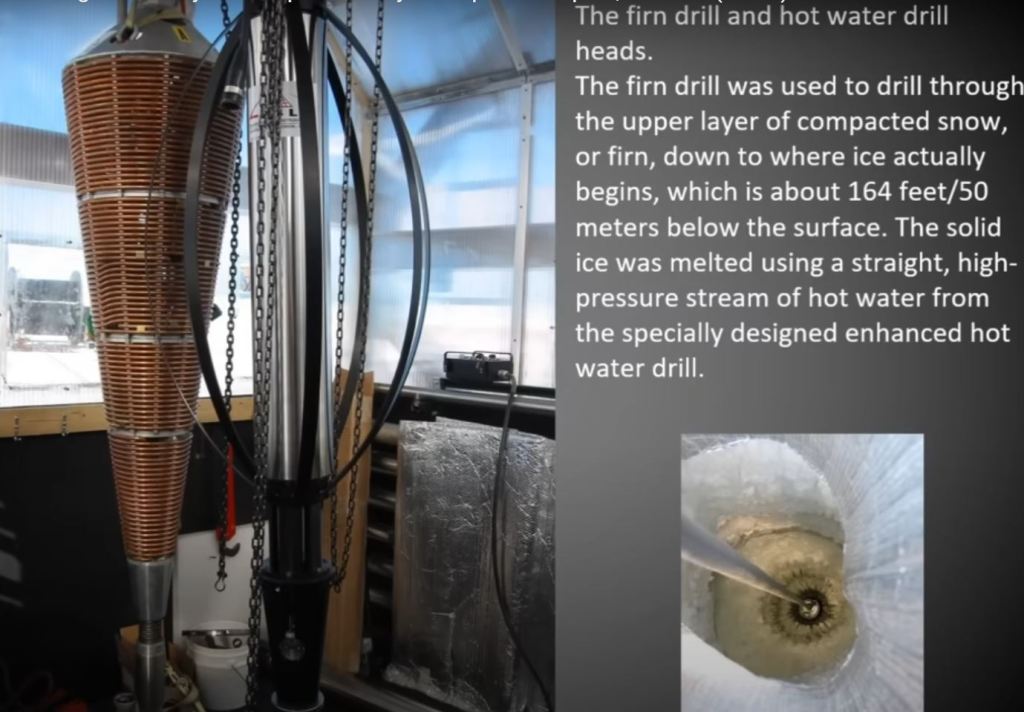
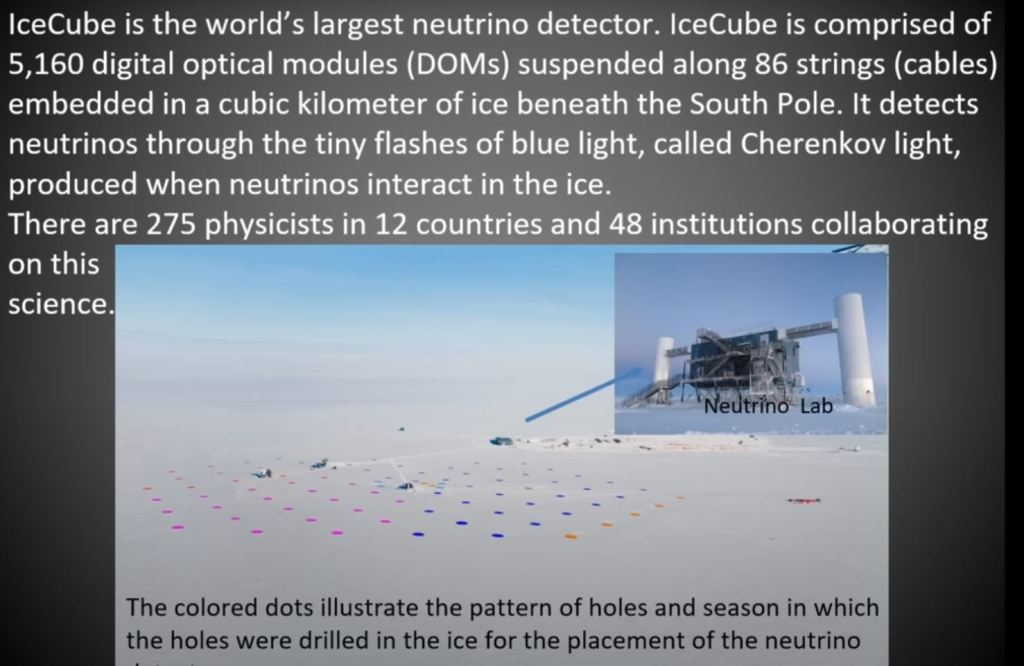

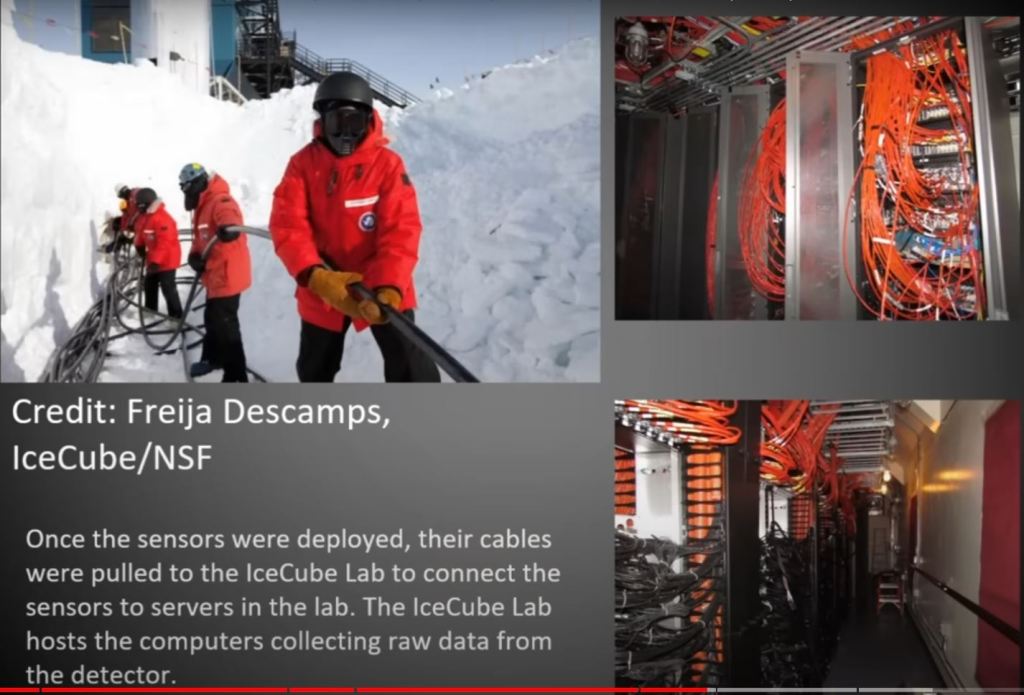


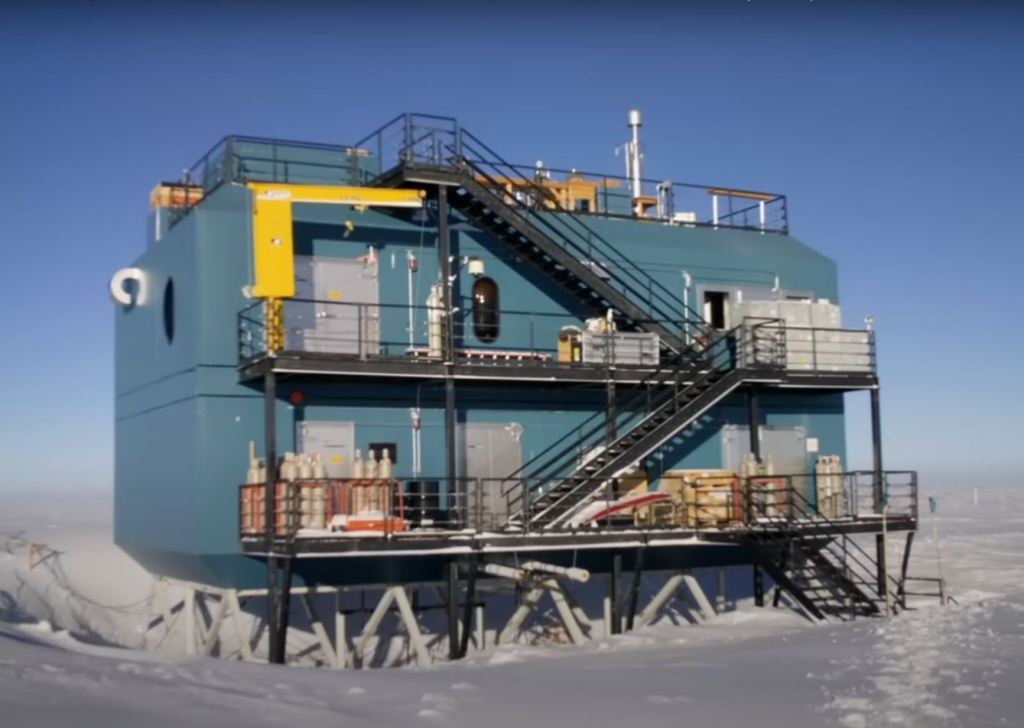
The Ice Cube Antarctic telescope is a powerful tool to search for dark matter and could reveal the highest energy particles in nature. Comprised of 5,160 digital optical modules, it uses flashes of blue light to interact with the ice field that cooperates as an enormous scientific instrument. It is an estimated eight (8) times taller than the Eiffel Tower in Paris, France. Credit: Eric Hecker RTX 21 July 2024.
Conclusion
From whispered tales of clandestine moon bases to baffling reports of advanced energy weapons, these stories fuel our imagination and challenge our perceptions of what’s possible. Each revelation, whether it’s about mysterious cosmic energy or asymmetrical technological surprise on the battlefield, invites us to question the boundaries of human knowledge and innovation.
These captivating tales also highlight the vast, uncharted territories that remain in our quest for understanding. Whether it’s the icy mysteries of Antarctica or the enigmatic phenomena observed in the skies by millions, these secrets are stranger than any Hollywood fiction, and yet are our science of tomorrow.
As we wrap up our exploration, we’re left pondering the future and the potential impacts of secretive science. This journey to Beyond Classified: Whistleblower Insights into the Hidden Tech of Tomorrow serves as a reminder that the most extraordinary scientific revelations may still be on the horizon, just waiting for the daring and the brave to tell everyone what is really going on.
Authors Note: “Art of the Possible” or “Stranger Than Fiction”?
During my time as a solution architect and systems engineer exploring the “art of the possible” with the Air Force Life Cycle Management Center, I was part of a team missioned to deliver high-performance computing power in space by establishing data center grade capabilities on par with terrestrial data centers. Through a collaboration with the United States Air Force Space Vehicles Directorate of the Air Force Research Laboratory, a part of the larger 30,000 man strong Air Force Materiel Command (“AFMC/RVSV”), the Department of Energy (“DOE”) and two (2) undisclosed space development engineering commercial enterprises, our team was focused on delivering space based data centers for supporting timely space communications and intelligence to the warfighter. The ultimate goal was to deploy a constellation of nuclear powered data centers with the added compute power of quantum, and to further explore the possibilities of nuclear-powered quantum computing in on orbit data centers.

My involvement in the program stemmed from my experience with the Global Aircrew Strategic Network Terminal (Global ASNT) constellation, a nuclear command, control, and communications system providing Air Force wing command posts, AF nuclear task forces, munitions support squadrons and mobile support teams with fixed and transportable survivable ground-based communications to receive emergency action messages (EAMs) and disseminate them to bomber, tanker & reconnaissance air crews. Global ASNT is a part of the Minimum Essential Emergency Communications Network (MEECN) family of programs, providing 24 hours/day, 7 days/week, survivable redundant communication links for the reception of EAMs, and command and control of nuclear forces by the President through the National Military Command System.
With a annual military budget of $870.3 billion and a legacy of delivering the war fighters edge through technological surprise, decision advantage, and deep experimentation in “the art of the possible” on land, at sea, in the air, in space and in cyberspace, the DoD and the DoE will test your assumptions about what you may think is actually possible.

For more information, please see: The Future of Defense: Nine (9) Ways Quantum Technology will Revolutionize National Security
Acknowledgements and Image Credits:
{1} The Ice Cube neutrino detector records the interactions of a nearly massless subatomic particle called the neutrino. Ice Cube searches for neutrinos from the most violent astrophysical sources including events like exploding stars, gamma ray bursts and cataclysmic phenomena involving black holes and neutron stars. Image depicts an artist rendition of the Ice Cube lab with neutrinos firing off below the ice cap. Artist Conception Image Credit: Undisclosed.
{2} Edward Joseph Snowden is a former American NSA intelligence contractor from Booz Allen Hamilton (BAH) and a whistleblower who leaked classified documents revealing the existence of global surveillance programs including NSA’s PRISM. Image Credit: Wikipedia.
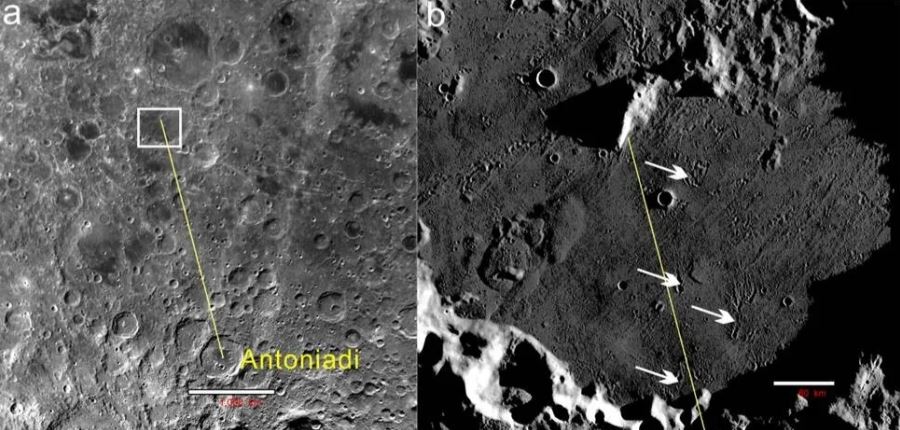
{3} China launches Antarctic signal relay satellite for mission to moon’s hidden side: Image depicts Secondary craters within Von Kármán Crater, the Chang’e 4 landing region. (a) The great elliptic circle that linked the center of the Antoniadi Crater to the selected Chang’e 4 landing site. The base image is from the global mosaic obtained by China’s Chang’e-2 mission. (b) Secondary craters within the Chang’e 4 landing region that are delivered by the Antoniadi Crater. White arrows mark the secondaries, and the yellow line is the possible trajectory of ejecta launched by the Antoniadi-forming impact. The location of this area is denoted as the white box in (a). The base image is from Japan’s Kaguya lunar orbiter. Image credit: Jun Huang, Albee Zhang and Ryan Woo March 20, 2024.
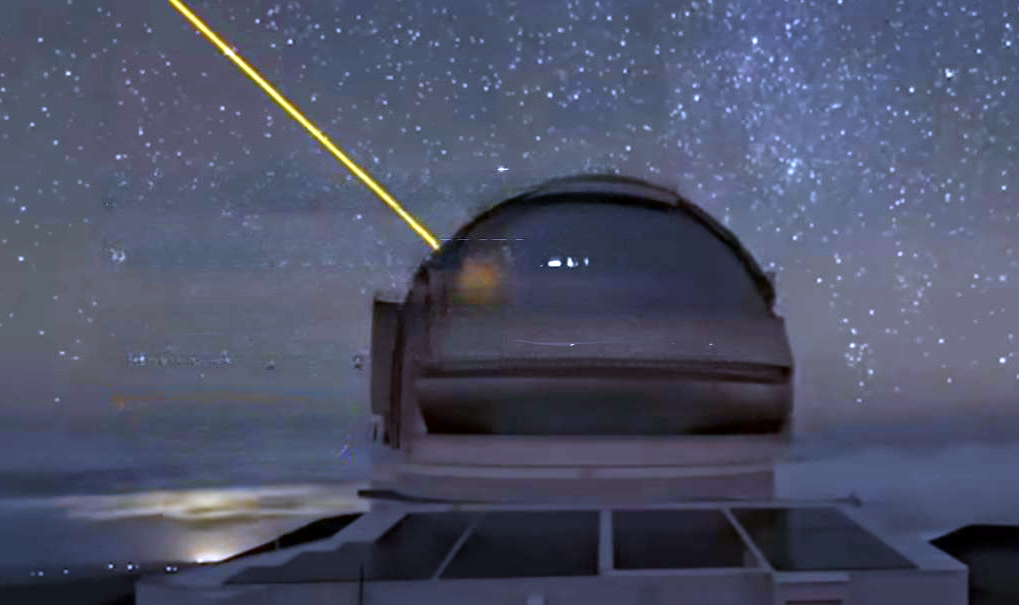
{4} Whistleblowers and Forbidden Tech: Science Secrets and Cold War Mysteries: Antarctic Space Laser Image Credit: National Science Foundation.
{5} Beginning in 2016, U.S. diplomats and other government workers stationed in Havana started getting sick, many after hearing strange high- and low-pitched sounds and experiencing bizarre physical sensations. Symptoms include headaches, dizziness, loss of memory, skin issues and more. Image Credit Alexandre Meneghini for Reuters.
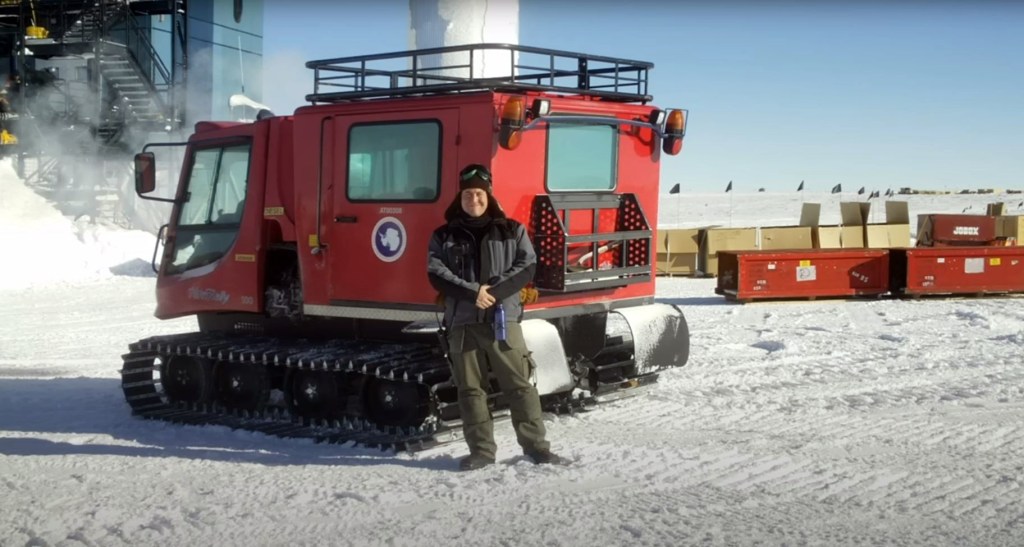
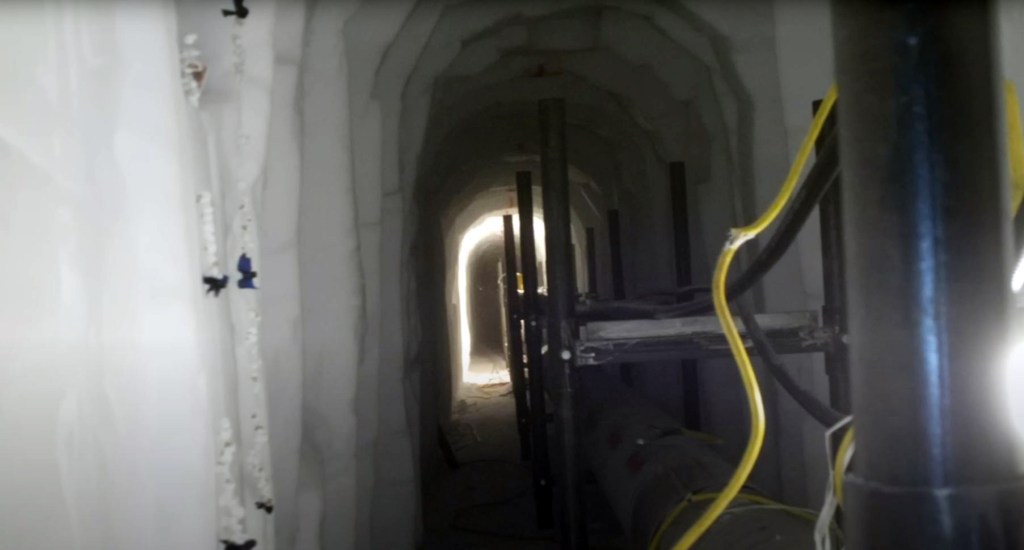
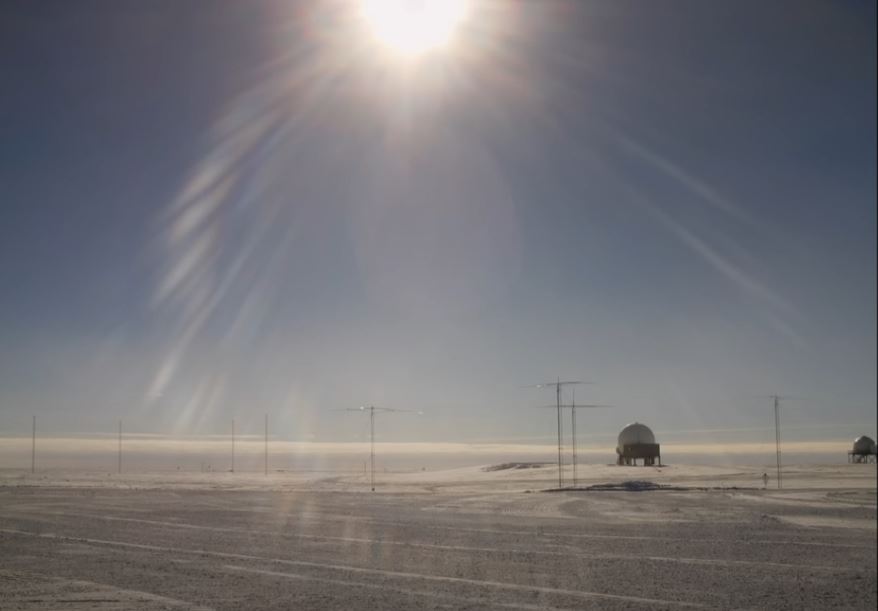
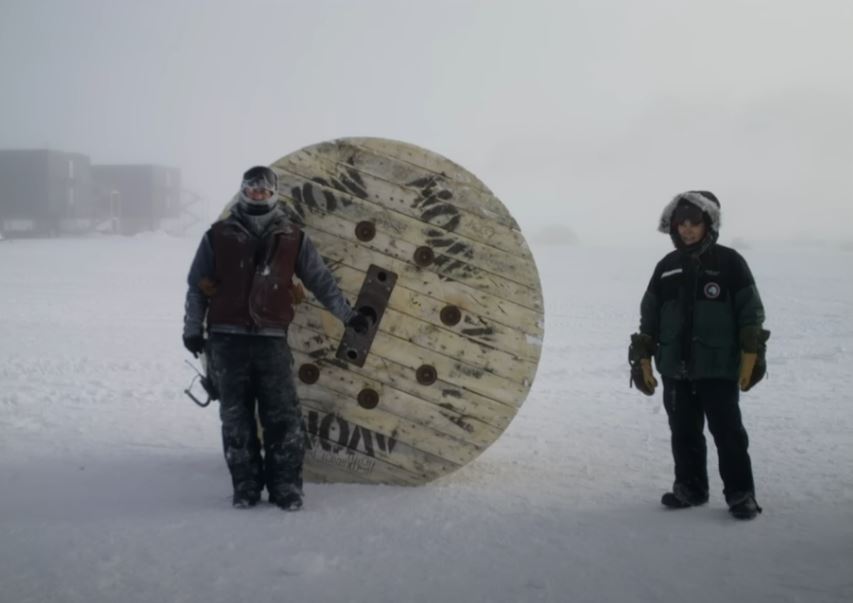
{6} Eric Hecker is an Antarctica Station Firefighter and a member of the Antarctic International Pipefitters Union who served at the South Pole while working for Raytheon (RTX). Eric has testified to congress under oath about advanced technology that can initiate earthquakes and conduct space observations and communications. Image Gallery Credit: Eric Hecker 21 July 2024.
{7} Ice Cube Telescope, Department of Energy, Antarctica. Slide Show Image Credit: Eric Hecker, 21 July 2024.
{8} Minimum Essential Emergency Communications Network (MEECN) Satellite Constellation: Image Credit: USAF AFLCMC NWC MITRE
{9} Booz Allen Hamilton (BAH) is a premier consulting firm renowned for its deep expertise in serving the U.S. Department of Defense and the intelligence community. Their work focuses on delivering innovative solutions in areas such as cyber operations, defense strategy, and intelligence analysis, making them a critical partner in national security initiatives. Booz Allen Hamilton owns all trademarks, trade names, and associated intellectual property related to its brand and services.
{10} Raytheon (RTX) is a leading aerospace and defense company specializing in advanced technologies, including missile defense systems, radar, and cybersecurity solutions. With a strong focus on serving the U.S. Department of Defense and allied nations, Raytheon plays a critical role in enhancing global security and defense capabilities. Raytheon owns all trademarks, trade names, and associated intellectual property related to its brand and services.
About PWK International Advisers
PWK International provides national security consulting and advisory services to clients including Hedge Funds, Financial Analysts, Investment Bankers, Entrepreneurs, Law Firms, Non-profits, Private Corporations, Technology Startups, Foreign Governments, Embassies & Defense Attaché’s, Humanitarian Aid organizations and more.
Services include telephone consultations, analytics & requirements, technology architectures, acquisition strategies, best practice blue prints and roadmaps, expert witness support, and more.
From cognitive partnerships, cyber security, data visualization and mission systems engineering, we bring insights from our direct experience with the U.S. Government and recommend bold plans that take calculated risks to deliver winning strategies in the national security and intelligence sector. PWK International – Your Mission, Assured.

















 pwkinternational.com