During my time with the Air Force Life Cycle Management Center (AFLCMC), I provided systems engineering and acquisition strategy support to the Air Force’s Nuclear Command, Control, and Communications (NC3) enterprise at the Air Force Nuclear Weapons Center at MITRE and Hanscom AFB in Bedford Massachusetts. Two key systems our teams supported are a vital part of the national leadership command capability (NLCC) which includes the Global Aircrew Strategic Network Terminal (Global ASNT) and the Secure Anti-Jam Reliable Tactical Terminal (SMART-T). GASNT and SMART-T are foundational components in the nuclear command, control, and communications weapon system (AN/USQ-225) providing Air Force wing command posts, nuclear task forces, munitions support squadrons and mobile support teams with fixed and transportable survivable ground-based communications to receive emergency action messages (EAMs) from the President and disseminate them to bomber, tanker & reconnaissance air crews. The system is operated by Air Force Global Strike Command, and features a dedicated Advanced Extremely High Frequency (AEHF) communication system to ensure presidential control through the chain of command, and allow for senior-level decisions on nuclear weapons employment and continuity of operations.
The classified nature of nuclear command, control, and communications (NC3) operations has limited publicly available information about its structure, functions and tax payer dollars programmed for its modernization. This article seeks to provide a general overview for every day Americans of the AN/USQ-225 based upon officially released (Distribution A) and publicly available information and emphasizing the critical importance of its modernization.
As the Trump administration steps back into power, one of the hottest topics on the agenda is the future of America’s nuclear deterrent. This article will explore how the U.S. is rebuilding its nuclear forces to meet the demands of today’s anti-access area-denial (A2AD) great power competition security environment in the Indo-Pacific, Eastern Europe (NATO), the Middle East and the Arctic. It will delve into the defense contractors at the forefront of modernizing the nuclear triad—submarines, bombers, and ICBMs—and discuss the weapon systems they are delivering to the Pentagon. We will look at the evolving role of NC3 in ensuring the president’s ability to communicate and issue orders in the face of global threats, especially as cyber resilience and operational security become even more critical attack surfaces. This article examines the evolution of NC3, challenges posed by modern threats, and how new leadership in the Oval Office could influence its operation. Additionally, we will examine how the new administration’s policies might shape the future of U.S. nuclear strategy, with a particular focus on technological innovations, strategic deterrence, and the military-industrial partnerships driving this transformation.
What is AN/USQ-225?
“The nuclear command and control system is a multi-agency enterprise with numerous stakeholders across the federal government.”
Source: Department of Defense
AN/USQ-225: What It Is and Why It Matters
The U.S. Department of Defense (DOD) is currently engaged in a comprehensive effort to modernize its aging nuclear forces. Central to this initiative are the development and procurement of key strategic systems, including the B-21 Raider long-range bomber, the Long-Range Standoff Weapon (LRSO) nuclear-armed cruise missile, the Ground-Based Strategic Deterrent (GBSD) intercontinental ballistic missile, and the Columbia-class ballistic missile submarine. Alongside these platforms, the modernization program also encompasses the critical task of updating the nation’s nuclear warheads, a responsibility managed by the Department of Energy’s National Nuclear Security Administration (NNSA).
Before diving into the complexities of modernization, it’s worth breaking down what NC3 is and how it works. At its core, NC3 is the backbone of America’s nuclear deterrence strategy. It’s a sprawling architecture with three primary functions:
Sensing and Assessing Threats: Early-warning systems like radars and satellites constantly scan for signs of missile launches or other nuclear activities.
Decision-Making and Communication: Secure communications systems allow the president and military leaders to confer and make critical decisions during a crisis.
Executing Orders: The final step is transmitting those decisions—whether to launch, hold fire, or take other actions—to the nuclear forces: ballistic missile submarines (SSBNs), intercontinental ballistic missiles (ICBMs), and bombers.
What’s remarkable about NC3 is its ability to operate even under the worst circumstances. Whether under cyberattack, during a physical strike on U.S. soil, or in the aftermath of a nuclear detonation, NC3 is designed to remain functional and deliver it’s combat effects.
How AN/USQ-225 Works
Command and control involve decision-makers, such as the President and their advisors, supported by subsystems that process and analyze critical data during a crisis. These systems provide comprehensive assessments to aid decision-makers in evaluating options and issuing response orders to military units. A key subsystem, the Integrated Tactical Warning and Attack Assessment (ITWAA), supports NC3 by delivering precise, reliable, and timely information about ballistic missile, space, and air attacks on North America. This capability ensures decision-makers have clear and actionable insights during an attack.

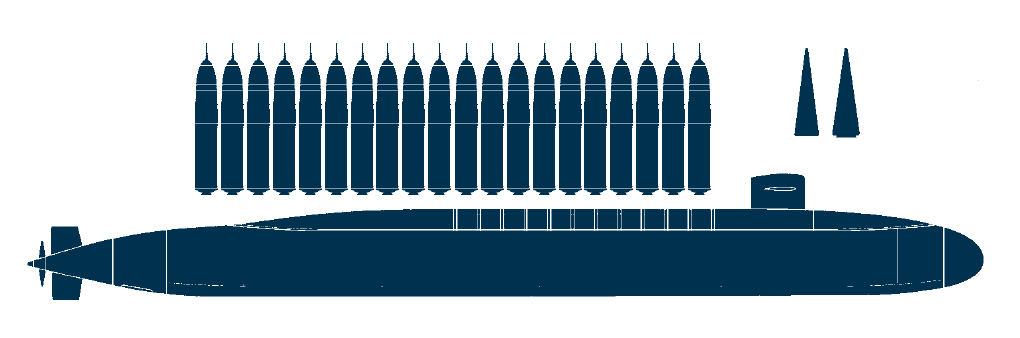
Enjoying a Tech Refresh:
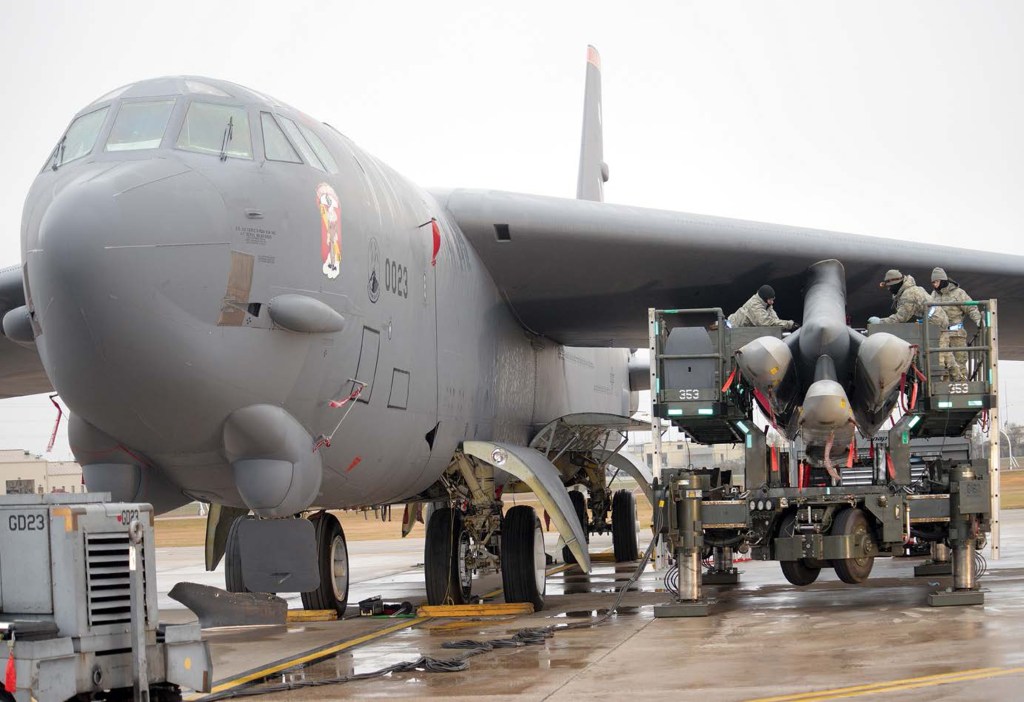
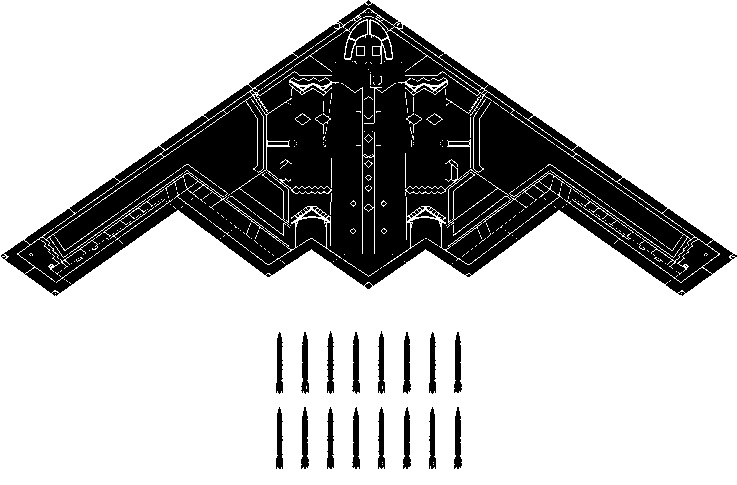
New B-52 Loadout:
20x AGM-86B
air launched cruise missiles
Once authorized, emergency action messages are transmitted from the President through the chain of command to forces tasked with delivering nuclear effects. These forces include crews operating B-52 and B-2 bombers, the Minuteman III intercontinental ballistic missile (ICBM) force, the Ohio-class ballistic missile submarines armed with Trident II missiles, and dual-capable fighter aircraft equipped with B61 nuclear gravity bombs. The NC3 system is designed to maintain an uninterrupted connection between these weapons platforms and the President, ensuring command continuity under any circumstances, regardless of location or operational environment.
Key Components
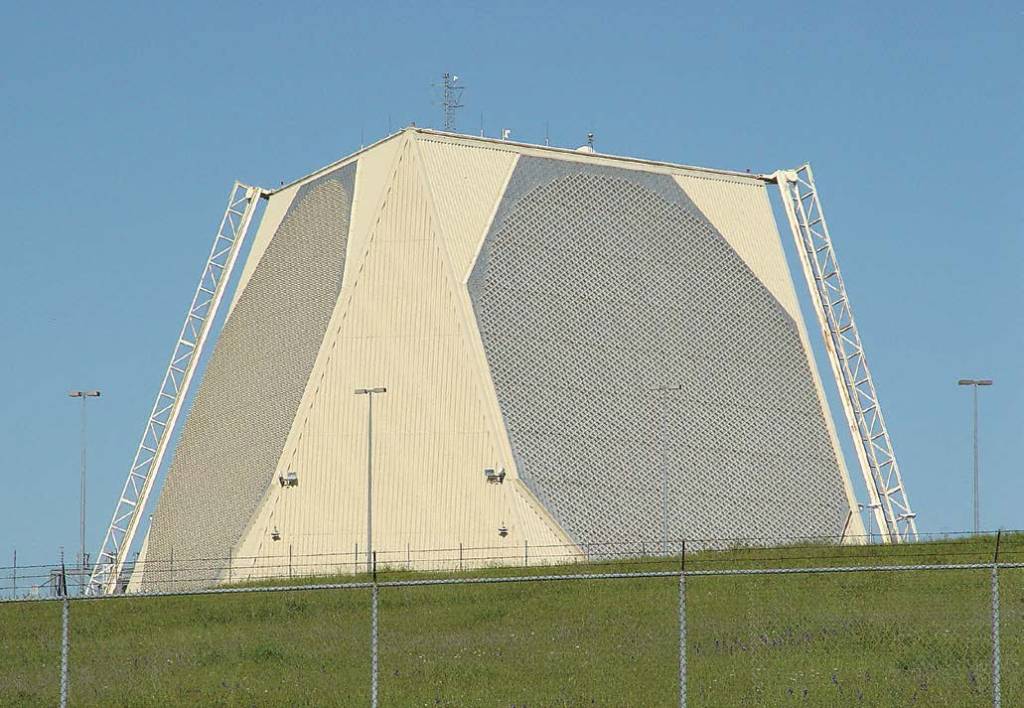
- Early Warning Systems: Ground-based radars like PAVE PAWS and satellite systems such as the Space-Based Infrared System (SBIRS) monitor missile launches globally.
- Hardened Communications: The Advanced Extremely High Frequency (AEHF) satellite constellation ensures uninterrupted communication under nuclear attack conditions.
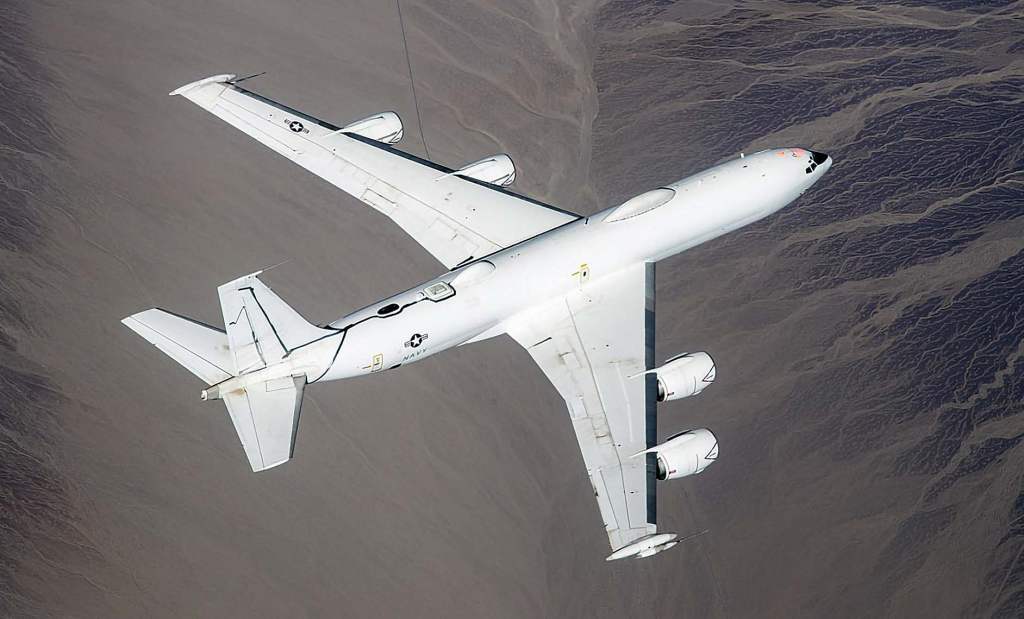
- Airborne Command Posts: Aircraft like the E-4B National Airborne Operations Center and E-6B Mercury serve as mobile command centers, ensuring continuity of command if ground facilities are compromised.
Addressing the Threat of a “Decapitation” Strike
In January 1961, during his first week as Secretary of Defense, Robert McNamara received a briefing from the Department of Defense’s weapon systems evaluation group that exposed significant vulnerabilities in the U.S. nuclear command, control, and communications (NC3) system. The briefing, based on the group’s Report No. 50, revealed that a surprise Soviet attack targeting U.S. leadership could effectively dismantle the nation’s ability to coordinate a retaliatory response. The report estimated that with just 35 missiles, the Soviet Union could achieve a 90% probability of eliminating top U.S. leaders and crippling the American nuclear command and control infrastructure. This assessment underscored the urgent need for a more resilient NC3 system, which McNamara and other officials deemed a critical national priority.
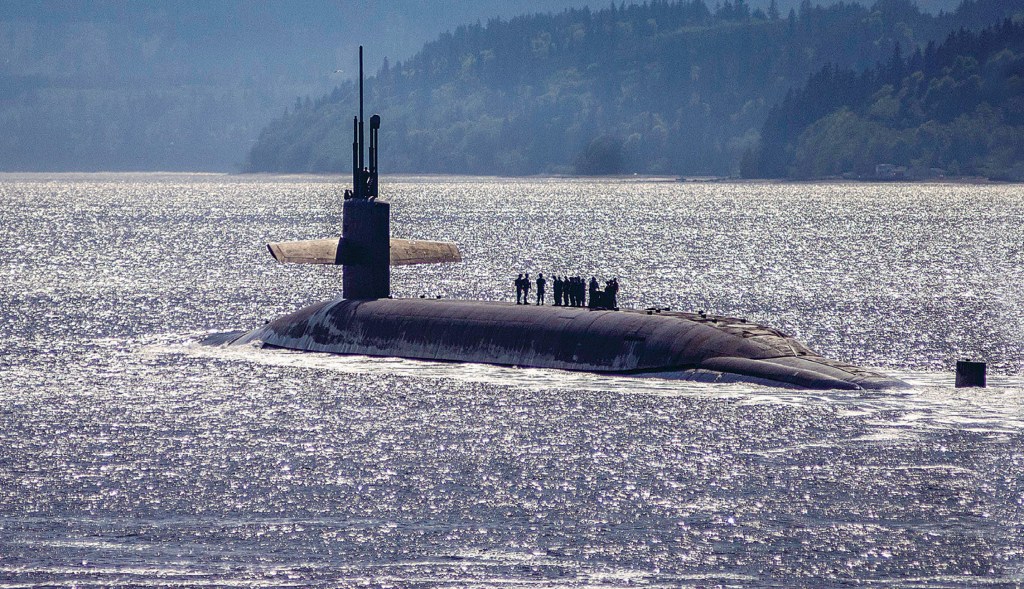
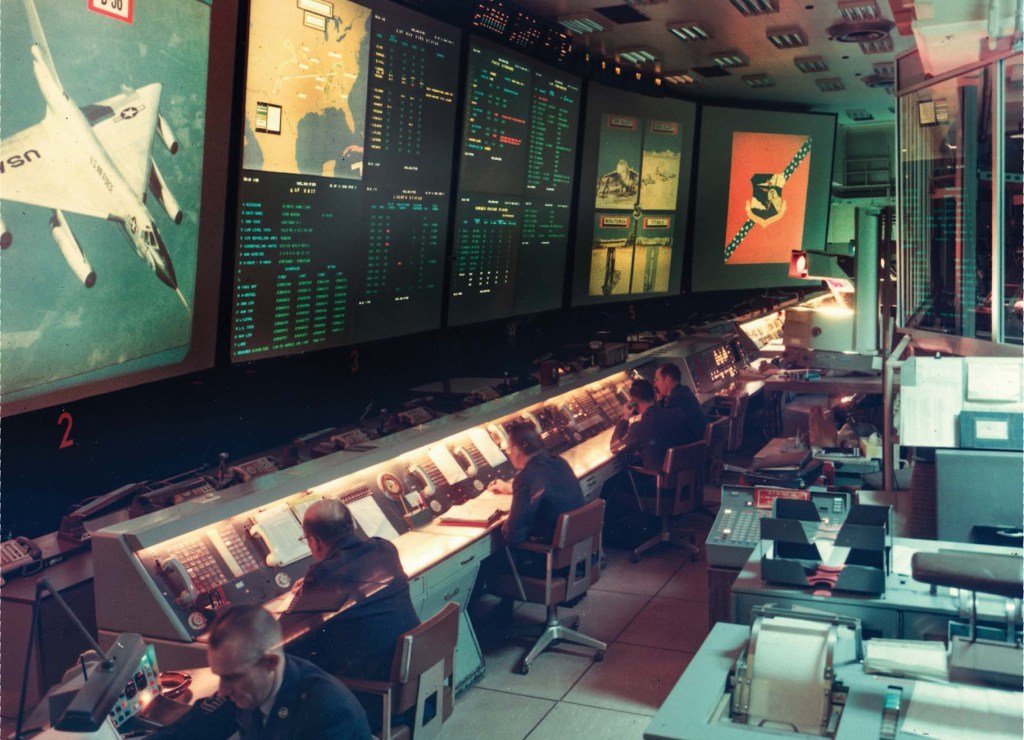

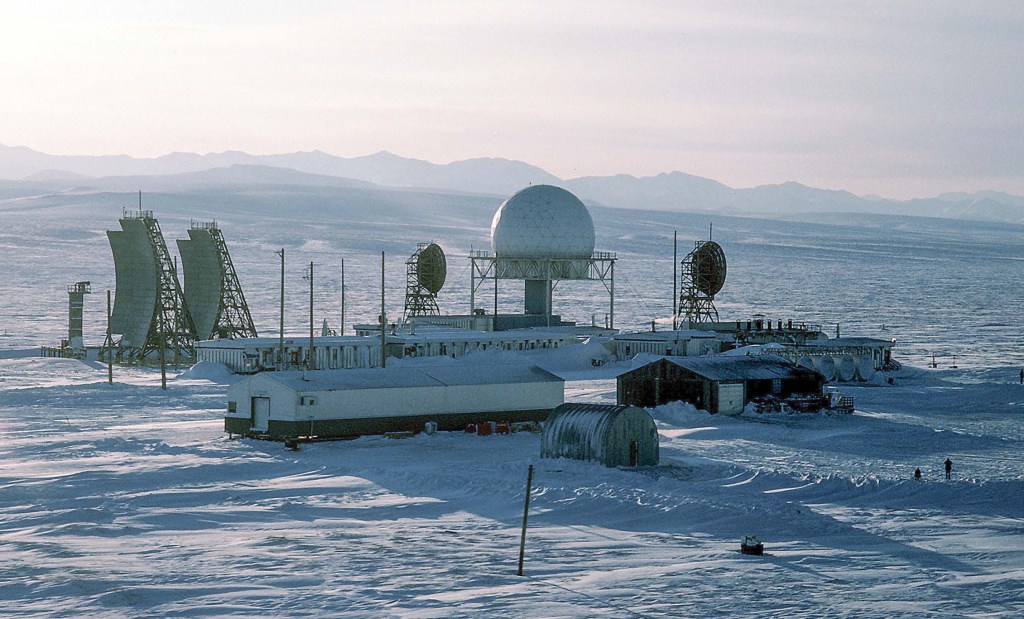
In response to this alarming evaluation, American defense planners focused on strategies to mitigate the risk of a “decapitation” strike that could incapacitate the President and other senior leaders before a response could be organized. These efforts led to the development of extensive “continuity of government” (COG) measures designed to ensure the survival and functionality of leadership and command structures after an attack. Key initiatives included constructing an alternate underground National Military Command Center (NMCC) in western Maryland, deploying airborne command posts for the President and senior military leaders, and establishing an underground government command bunker in rural Virginia. Planners also developed protocols for identifying and swearing in a new President in the event of mass leadership casualties, building redundant communication networks to maintain contact with surviving nuclear forces, and conducting regular exercises to test and refine COG plans. These measures laid the foundation for a more resilient system capable of withstanding even the most catastrophic scenarios.
Modern Threats to AN/USQ-225
NC3’s modernization is driven by the increasing sophistication of threats from state and non-state actors. The nuclear landscape has evolved dramatically since the Cold War, and the threats facing NC3 are more varied and sophisticated.
“Potential adversaries of the United States and its allies also must know that American NC3 will be “reliable, assured, enduring, redundant, unambiguous, survivable, secure, timely, flexible, and accurate” regardless of any action they may take against the system.”
Source: USA Department of Defense
Adversarial Capabilities:
- Hypersonic Weapons: Unlike traditional missiles, hypersonic weapons travel at speeds exceeding Mach 5 and can maneuver mid-flight, making them harder to detect and intercept. Both Russia and China have developed hypersonic systems that challenge existing NC3 capabilities.
- Counter-Space Technology: Adversaries are investing in systems designed to disable or destroy satellites. This poses a direct threat to space-based components of NC3, such as missile-warning satellites.
- Cyberattacks: Cyber warfare is a growing concern, with state-sponsored actors targeting critical infrastructure. A successful cyberattack on NC3 systems could disrupt communications or sow confusion during a crisis.
- Multi-Domain Warfare: Future conflicts are likely to involve simultaneous attacks across land, sea, air, space, and cyberspace, complicating the job of NC3.
- Autonomous Systems and Decision Loops: The debate over maintaining human oversight in nuclear decision-making underscores ethical and operational challenges. The U.S. remains committed to keeping humans “in the loop,” ensuring accountability in deploying nuclear weapons.
- Non-State Actors: While NC3 is designed to counter nation-state threats, the rise of non-state actors with access to advanced technology requires new rules of engagement and adds another layer of complexity.
Implications for Future Conflicts
The modernization of NC3 is not just a technological upgrade but a strategic imperative to address future conflicts shaped by multi-domain threats. Hybrid warfare, incorporating cyberattacks, misinformation, and conventional force projection, complicates the clear delineation of conflict phases.
- Proliferation of Missile Technology: Adversaries’ advancements in hypersonic weapons and stealth delivery systems demand agile detection and response mechanisms.
- Global Alliances: Enhancing interoperability with NATO allies and partners is crucial for extended deterrence and maintaining a unified strategic posture.



The Push for Modernization
The NC3 system is a product of the Cold War, designed in an era when the U.S. faced the Soviet Union in a largely bipolar world. Much of its infrastructure dates back to the 1970s and 1980s, with components like the E-4B National Airborne Operations Center and early-generation satellites still playing critical roles. But today’s threats are far more complex, and modernization has become an urgent priority.
Key Areas of Modernization
Early Warning Systems: Ground-based radars like PAVE PAWS and the Space-Based Infrared System (SBIRS) satellites are being updated or replaced with next-generation systems. The Space Force’s Next-Gen Overhead Persistent Infrared (OPIR) satellites aim to enhance missile detection with greater resilience against adversarial countermeasures.
Hardened Communications: Secure, survivable communications are essential for ensuring presidential orders reach their intended destinations. The Advanced Extremely High Frequency (AEHF) satellite constellation, which replaced the Milstar system, is fully operational. Still, the Space Force is already working on its successor, the Evolved Strategic SATCOM (ESS).
Mobile Command Centers: Airborne platforms like the E-4B and E-6B Mercury are being modernized to ensure survivability in a crisis. Newer platforms, such as the Survivable Airborne Operations Center (SAOC), promise increased capability and endurance.
Cyber Resilience: One of the most significant vulnerabilities in modern warfare is cyberattacks. The DoD is implementing advanced threat-detection and cyber-defense protocols, acknowledging that NC3 must be prepared to withstand digital assaults from adversaries like China and Russia.
Integrated Command: Efforts are underway to better integrate nuclear and conventional command systems, creating a more seamless response to hybrid threats.
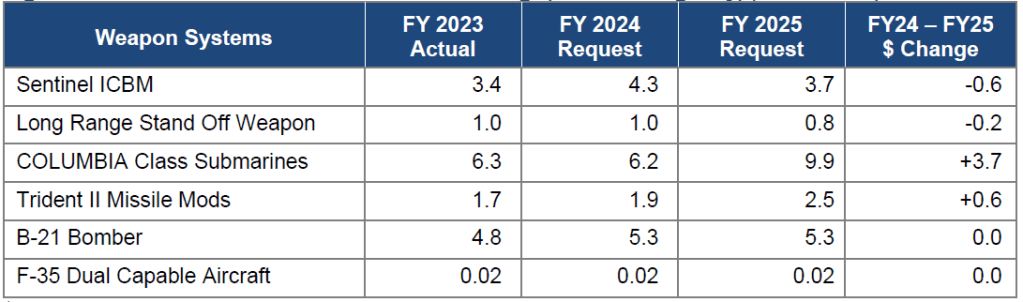
Despite its resilience, the NC3 system faces challenges from aging infrastructure and evolving adversarial tactics. The Department of Defense (DoD) estimates $117 billion is required from 2023 to 2032 to modernize NC3 systems, reflecting its critical role in national security.
The Titans of Deterrence:
Which Companies Power America’s Nuclear Arsenal?
| Northrop Grumman Corporation: Falls Church, Virginia. Northrop Grumman is the prime contractor for the LGM-35A Sentinel intercontinental ballistic missile (ICBM), formerly known as the Ground-Based Strategic Deterrent (GBSD), which is set to replace the aging Minuteman III missiles. |
| Lockheed Martin Corporation: Bethesda, Maryland. Lockheed Martin produces the Trident II D5 submarine-launched ballistic missiles (SLBMs) deployed on Ohio-class submarines, a critical component of the U.S. nuclear triad. |
| General Dynamics Corporation: Reston, Virginia. General Dynamics subsidiary, Electric Boat, is responsible for designing and building the Columbia-class ballistic missile submarines, which will replace the aging Ohio-class SSBNs, ensuring the sea-based leg of the nuclear triad remains effective. |
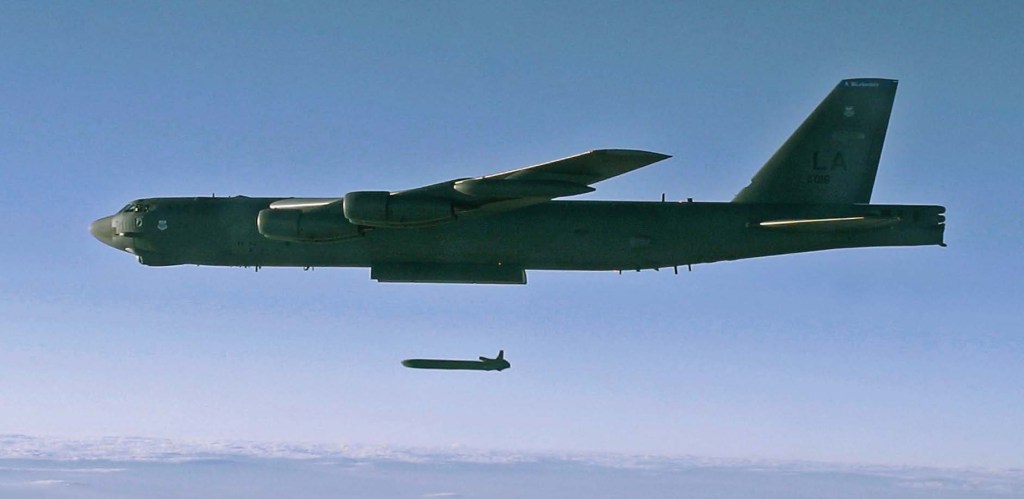
| Raytheon Technologies Corporation: Arlington, Virginia. Raytheon Technologies are developing the Long-Range Standoff Weapon (LRSO), a new nuclear-capable air-launched cruise missile intended to replace the aging AGM-86B Air-Launched Cruise Missile (ALCM), enhancing the air-based leg of the nuclear triad. Raytheon also supplies advanced missile warning and tracking systems, including components for the Next-Gen Overhead Persistent Infrared (OPIR) satellites. It also develops critical communications infrastructure (GASNT) that supports nuclear deterrence. |
| BAE Systems Inc.: Arlington, Virginia. BAE Systems Inc. supplies the Navy with critical components and systems for the Columbia-class submarines, contributing to the modernization of the sea-based nuclear deterrent. |
| L3Harris Technologies: Melbourne, Florida. L3Harris delivers advanced communication systems, including the Family of Beyond Line-of-Sight Terminals (FAB-T), which ensures secure transmission of orders to nuclear forces. It also supports modernization of space-based systems critical for early warning and threat detection. |
| Aerojet Rocketdyne Holdings, Inc.: El Segundo, California. Aerojet Rocketdyne provides propulsion systems for various strategic missiles, including the Trident II D5 SLBMs and components for the LGM-35A Sentinel ICBMs, ensuring reliable delivery systems for nuclear warheads. |
| Bechtel Corporation: Reston, Virginia. Bechtel is a global engineering, construction, and project management company. They are involved in the modernization of nuclear facilities and infrastructure, including work on the Ground-Based Strategic Deterrent program, ensuring the readiness and reliability of land-based ICBM silos and support systems. |
| Honeywell International Inc.: Charlotte, North Carolina. Honeywell is a diversified technology and manufacturing company. Through its subsidiary, Honeywell Federal Manufacturing & Technologies, it manages and operates the National Security Campus, which produces non-nuclear components for nuclear weapons, playing a crucial role in the maintenance and modernization of the nuclear arsenal. |
| Leidos: Reston, Virginia. Leidos specializes in integrating advanced IT and cybersecurity solutions into NC3 systems to enhance their resilience against cyber threats. The company’s work supports the secure flow of data between nuclear forces and decision-makers. |
Top Observations and Conclusions

The NC3 system’s ability to withstand adversarial attacks hinges on sustained Congressional funding and oversight. Programs like the Evolved Strategic SATCOM (ESS) and Next-Gen OPIR represent essential steps toward a robust architecture. A president’s approach to nuclear strategy can redefine deterrence paradigms. Building resilience into decision-making processes is as vital as technological upgrades.
From cyber vulnerabilities to space-based countermeasures, the NC3 architecture must evolve to address a dynamic threat environment. The integration of advanced technologies must prioritize security, accountability, and the prevention of unauthorized actions, reflecting a commitment to maintaining global stability. Modernizing NC3 isn’t just about replacing old hardware or adding cybersecurity measures. It’s about rethinking the entire approach to nuclear command and control in a rapidly changing world.
Key Questions

How Can We Balance Speed and Deliberation?
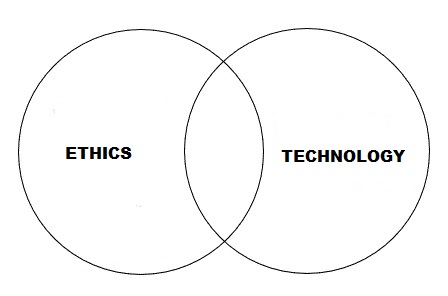
Technology enables faster decision-making, but nuclear decisions require careful consideration. How do we ensure that the system allows for thoughtful judgment without compromising the ability to respond quickly?
What Role Should Automation Play?
There’s a growing debate over the use of autonomous systems in nuclear operations. While automation can reduce human error, it also raises ethical concerns and risks of unintended escalation.
How Do We Maintain Deterrence in a Multipolar World?
The rise of China and the resurgence of Russia mean that the U.S. must think beyond Cold War paradigms. Deterrence strategies must adapt to a more complex geopolitical environment.
A Look at Potential Solutions
While the challenges are daunting, there are promising developments on the horizon.
- Resilient Networks: The shift toward distributed and redundant systems—such as constellations of small satellites in low Earth orbit—could make NC3 less vulnerable to single points of failure.
- International Norms and Agreements: Diplomatic efforts to establish norms around the use of cyber and space-based weapons could reduce the likelihood of catastrophic escalation.
- Public Awareness and Debate: Engaging the public in discussions about nuclear policy can lead to more informed decision-making and greater accountability (the purpose of this article).
Final Thoughts
In an era of rapid technological advancements and geopolitical shifts, the NC3 architecture remains central to the security of the United States and its allies. As modernization efforts progress, they must reflect not only technical resilience but also the strategic foresight to address the challenges of a volatile nuclear landscape.
Technology Alone Is Not Enough: While modernization is essential, NC3 must be paired with sound strategy, robust training, and clear protocols to ensure its effectiveness.
Leadership Is Central: The president’s role in the nuclear chain highlights the need for steady, informed, and decisive leadership. Preparing new leaders for this responsibility should be a top priority.
Adaptability Is Key: In a world of rapidly evolving threats, NC3 must remain agile. This includes not only technological upgrades but also strategic shifts to address emerging challenges.
Deterrence Requires Credibility: The ultimate goal of NC3 is to prevent nuclear war. This requires not just operational readiness but also the perception, by allies and adversaries alike, that the system is reliable and resilient.
The evolution of NC3 underlines a critical lesson: preparing for tomorrow’s conflicts requires unwavering commitment today. The balance between technological sophistication, human oversight, and leadership acumen will define the future of deterrence in the nuclear age.
Sources, Acknowledgements and Image Credits
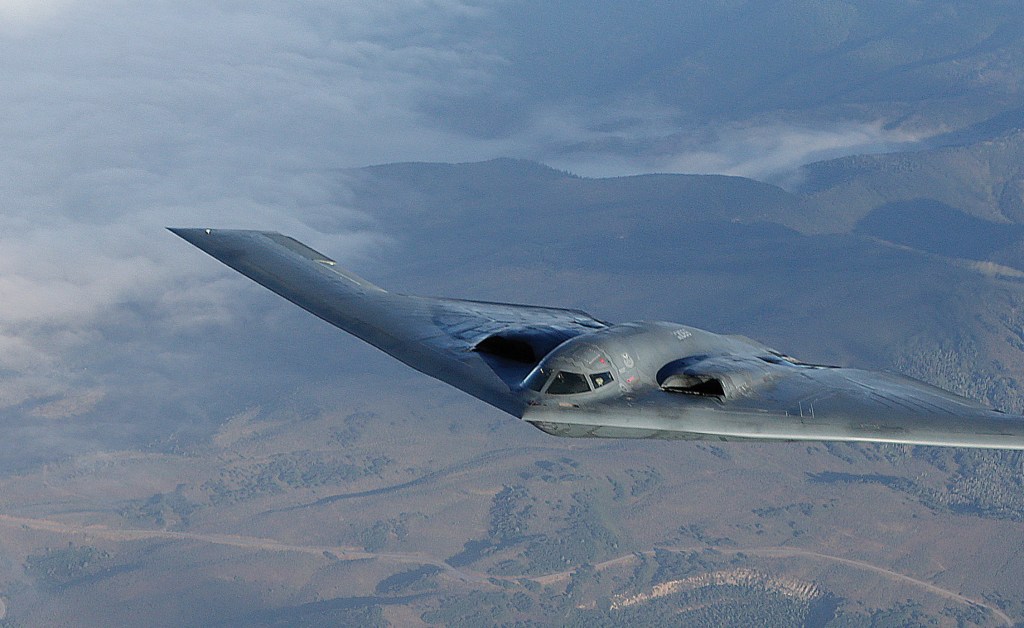
{1} “Leadership, Technology, and the Nuclear Command Chain: Adapting for an Uncertain Future. Image Credit: US. Air Force.
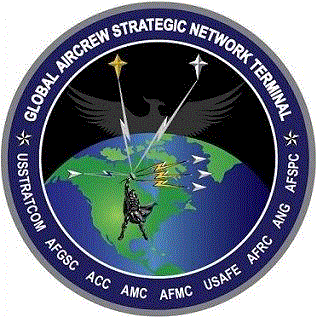
{2} “Global Aircrew Strategic Network Terminal encompass terminal development, production, fielding, and sustainment. Stakeholders are Air Force Global Strike Command, Umited States Space Force, Air Combat Command, Air National Guard, Air Mobility Command, Air Force Reserve Command, United States Air Forces Europe, and United States Strategic Command. Air Force Global Strike Command is the primary beneficiary of the investment and will be responsible for its daily operation”. Credit: Global Aircrew Strategic Network Terminal Program Office.
{3} National Security Strategy. Image Credit: United States White House, National Security Strategy.
{4} “B52-H Stratospheric Bomber. Enjoying a Tech Refresh: New B-52 Loadout: 20x AGM-86B air launched cruise missiles”. Image Credit & Sources: U.S. Air Force, Jane’s All the World’s Aircraft, U.S. Navy, Federation of American Scientists. Note: illustrations are not to scale.
{5} “Addressing the Threat of a “Decapitation”. Cold War vintage enjoying a tech refresh image montage. Photo Credit: US Air Force.
{5a} Caption: The ballistic missile early warning system (BMEWS) radar installation at Thule Air Base, Greenland, pictured here during the early 1960s. The BMEWS was a crucial sensor for the U.S. NC3 network to detect, track, and classify ballistic missiles during the Cold War, and is still in operation today. Photo Credit: US Air Force.
{5b} Caption: Radar station LIZ-2 at Point Lay, Alaska, one of 30 Air Force stations on the distant early warning (DEW) Line. A Cold War-era network of radars to detect low-flying Soviet bombers, the DEW Line stretched some 3,600 miles from Alaska to Greenland. Photo Credit: US Air Force.
{5c} Caption: Strategic Air Command’s Cold War-era underground command post at Offutt AFB, Nebraska. The facility consisted of three underground levels, and housing for around 800 people. Photo Credit: US Air Force.
{5d} Caption: A U.S. Navy E-6B Mercury command and control aircraft photographed during a testing sortie at Edwards AFB, California in early 2017. The airborne command post aircraft is equipped with satellite communication equipment to link the aircraft with the President and the other operational legs of the nuclear triad. Photo Credit: US Air Force.
{6} “Its just Armageddon . . . it’s not like its the end of the world? Modern Threats to AN/USQ-225. Potential adversaries of the United States and its allies also must know that American NC3 will be “reliable, assured, enduring, redundant, unambiguous, survivable, secure, timely, flexible, and accurate” regardless of any action they may take against the system.” Source: USA Department of Defense. Image Credit: U.S. Air Force, Jane’s All the World’s Aircraft, U.S. Navy, Federation of American Scientists. Note: illustrations are not to scale.
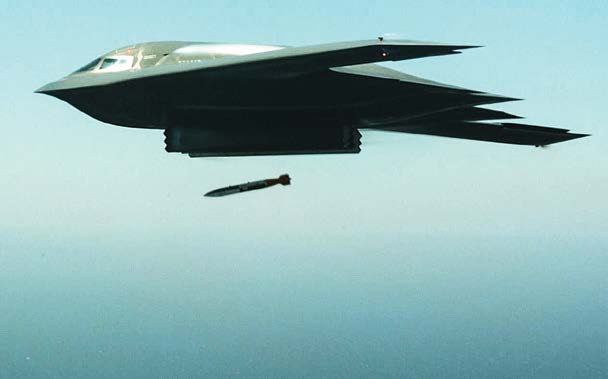
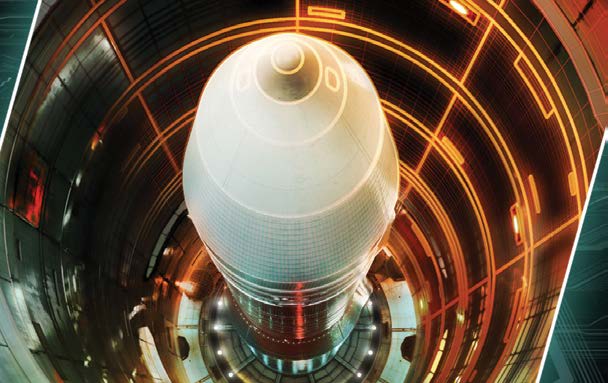
{7} “Implications for Future Conflicts. The modernization of NC3 is not just a technological upgrade but a strategic imperative to address future conflicts shaped by multi-domain threats. Hybrid warfare, incorporating cyberattacks, misinformation, and conventional force projection, complicates the clear delineation of conflict phases”. Photo Credits: US Air Force.
{8} “The Titans of Deterrence: Companies Powering America’s Nuclear Arsenal”. Image Credit & Sources: U.S. Air Force, Jane’s All the World’s Aircraft, U.S. Navy, Federation of American Scientists. Note: illustrations are not to scale. All registered trademarks and trade names are the property of their respective owners.
{9} “Top Observations and Conclusions”. Source and Image Credit: Air Force Nuclear C3 Integration Directorate.
{10} “A Look at Potential Solutions”. Source and Image Credit: Air Force Global Strike Command.
{11} “Final Thoughts. In an era of rapid technological advancements and geopolitical shifts, the NC3 architecture remains central to the security of the United States and its allies”. Photo Credit: US Air Force.
{12} “Restructuring the Air Force Enterprise for a New Era of Great Power Competition. HRA 2024 Fall Update: AF NC3 Integration Directorate Mission Brief”. Source: Mr. Scott Hardiman, Director, AF NC3 Integration Directorate and Air Force Program Executive Officer, NC3. Westford Regency, 219 Littleton Road, Westford, Massachusetts 01886. October 31, 2024.
{13} Our un-biased analysis includes mention of numerous federal government enterprises and aerospace and defense companies and their nuclear deterrence innovations. All registered trademarks and trade names are the property of their respective owners. Past affiliation(s) does not necessarily infer endorsement in the present.
{14} Additional Information Available to Congressional Committees and the General Public (Distribution A | Approved for public release with unlimited distribution):
{14a} The Air Force Nuclear Weapons Center is the nuclear-focused center within Air Force Materiel Command (AFMC). It synchronizes all aspects of nuclear materiel management on behalf of the AFMC commander in direct support of Air Force Global Strike Command (AFGSC)
{14b} Federation of American Scientists. Air Force Instruction 13-550
{14c} US Department of Defense Fact Sheet. Nuclear Weapon Modernization Strategic Nuclear Triad
{14d) Why Deterrence? Air Force Global Strike Command: Our Nation’s Shield (Video)

















 pwkinternational.com
Pingback: Unfair Fights |
Pingback: Unfair Fights |