
During my time with the Air Force lifecycle management center, I worked as a systems engineer in their 30,000 man strong development, test and procurement enterprise focused on delivering the war fighters edge in air, space and cyberspace, with the group responsible for cradle to grave of all air force (and space force) weapon systems. My time there included pivotal roles in the 653rd Electronic Systems Wing, where I contributed to Link 16’s integration into modern battlefield networks and the software to enable long range standoff munitions for combat aircraft (JSOW/JAASM) like the F/A-18 and F-15.
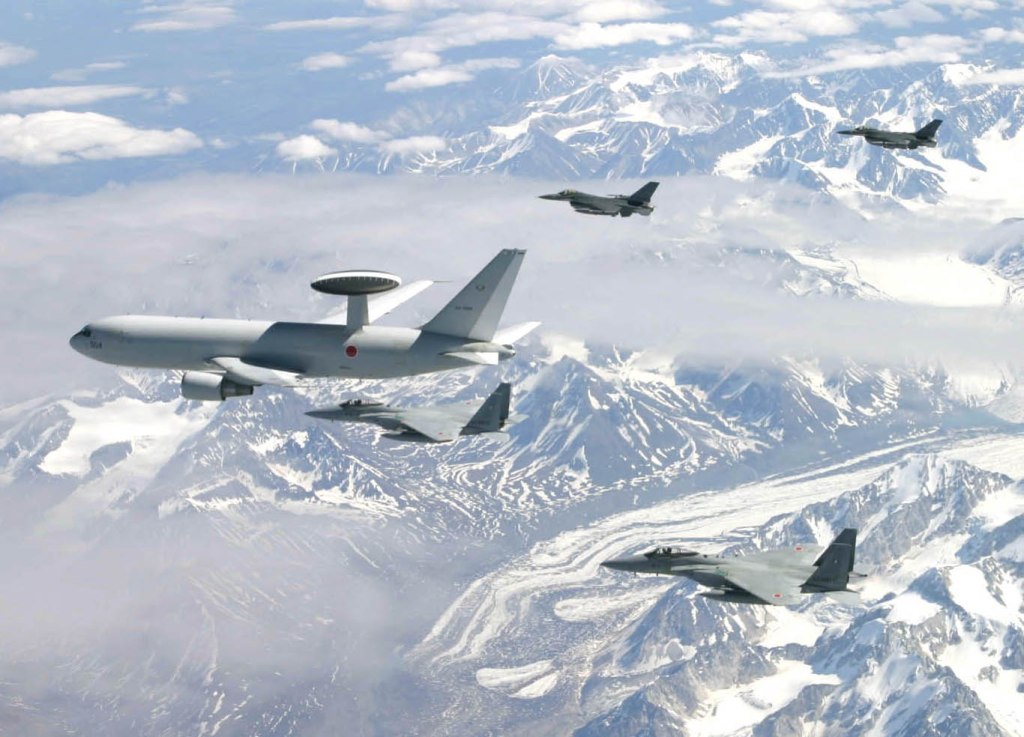
Additionally, I supported the 350th Electronic Systems Wing leading acquisition strategies for critical ground based (TPS-77) radar systems (I3P) in Baghdad and across Iraq. And again with the 551st Wing, where I advanced the Japan Airborne Early Warning and Control (AWACS) airborne radar fleet modernization effort as a GPS spoofing (SAASM) counter electronic warfare engineer. This report aims to keep readers informed on radar advancements and new concepts of operation (CONOPS), emphasizing better mission outcomes through advanced radar technology.

Enhancing Capabilities for Modern Threats
Air defense systems are critical to protecting a nation’s vital interests, friendly forces, and civilian infrastructure from evolving air and missile threats. With the advent of stealth aircraft, unmanned aerial vehicles (UAVs), and hypersonic missiles, the need for sophisticated, integrated defense systems has never been greater.
These systems must blend advanced technologies and strategic coordination to ensure effectiveness against modern threats. This report explores the components and operations of air defense systems, emphasizing radar technology’s role in addressing current and emerging challenges.

Air Defense as a System of Systems
Modern air defense operates as a system of systems, incorporating multiple layers to ensure robust protection. These layers consist of both active and passive components designed to detect, intercept, and mitigate the impact of hostile actions.
Active air defense involves real-time responses to neutralize threats, relying on a mix of weapon systems, such as surface-to-air missiles (SAMs) and fighter interceptors. These systems are supported by secure command, control, communications, computers, and intelligence (C4I) frameworks, which ensure rapid detection, identification, and engagement of targets.
Passive air defense complements active measures by reducing vulnerability to attacks. Techniques like camouflage, dispersion, and hardening are augmented by advanced detection systems to provide early warning and minimize the impact of strikes. These measures create a layered defense capable of adapting to various threat environments.
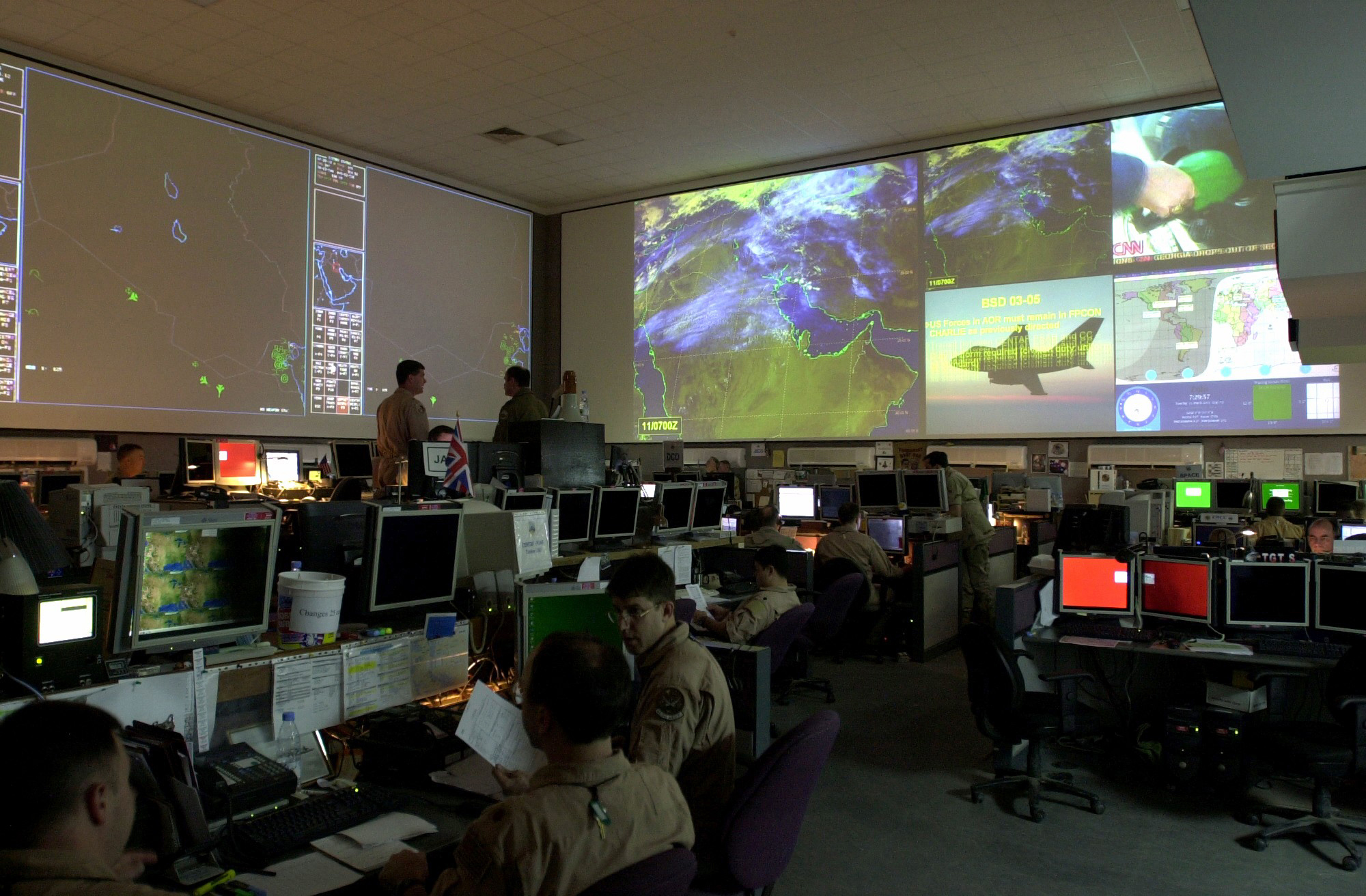
Integration is key to the system’s effectiveness, with resources like Air Defense Operations Centers (ADOCs) and Control and Reporting Centers (CRCs) orchestrating activities. This coordinated approach allows for area defense, point defense, high-value airborne asset (HVAA) protection, and self-defense measures, ensuring comprehensive coverage.
Radar in Active Air Defense
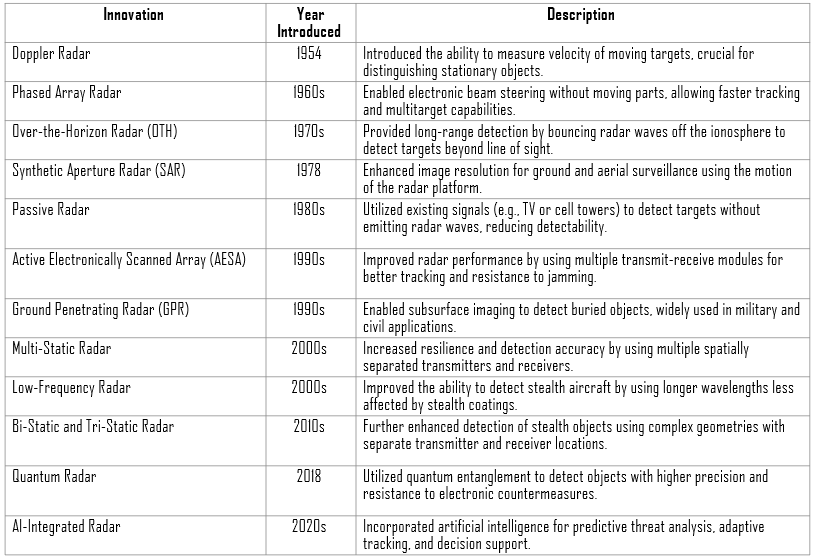
Radar technology forms the backbone of active air defense operations, providing the critical capability to detect, track, and identify threats. Advanced radar systems, such as phased array and active electronically scanned array (AESA) radars, enable precise and real-time data collection.
Phased array radars, with their ability to steer beams electronically, offer rapid target acquisition and tracking. AESA radars further enhance performance by using multiple beams simultaneously, increasing resilience against electronic warfare (EW) tactics. Over-the-horizon (OTH) radar systems extend detection ranges, enabling early identification of threats like hypersonic missiles and stealth aircraft.
Integration with data fusion systems enhances the situational awareness provided by radar. By combining inputs from multiple sensors, air defense commanders can develop a comprehensive Common Operational Picture (COP), allowing for informed decision-making. This capability is critical in joint operations where timely information sharing is essential.
Modern radar systems also incorporate artificial intelligence (AI) for predictive analytics, enabling proactive threat management. AI-driven algorithms analyze patterns in radar data to predict potential trajectories, offering a strategic advantage in high-pressure scenarios.


Passive Air Defense Techniques
Passive air defense plays a crucial role in minimizing the impact of enemy attacks. These measures focus on concealing and protecting critical assets while maintaining operational capabilities.
Camouflage, concealment, and deception (CCD) techniques are employed to mislead adversaries about the location and nature of targets. Advanced materials and technologies, such as radar-absorbing coatings and decoy systems, enhance the effectiveness of these strategies. For example, deploying inflatable replicas of critical assets can divert enemy attention and resources.
Hardening measures, including reinforced shelters and blast-resistant infrastructure, mitigate damage from kinetic attacks. These protections are especially important for high-value targets like command centers and airbases, ensuring continuity of operations even under sustained assault.
Dispersal and mobility further reduce vulnerability by spreading assets across multiple locations. Mobile radar systems and weapon platforms enhance survivability by remaining unpredictable, complicating enemy targeting efforts. Reconstitution capabilities, such as rapid repair and recovery systems, ensure damaged assets can quickly return to operational status.
These passive measures are supported by robust detection and warning systems, providing the early notification needed to implement protective actions effectively. Together, these techniques form a comprehensive approach to reducing the effectiveness of hostile air and missile attacks.

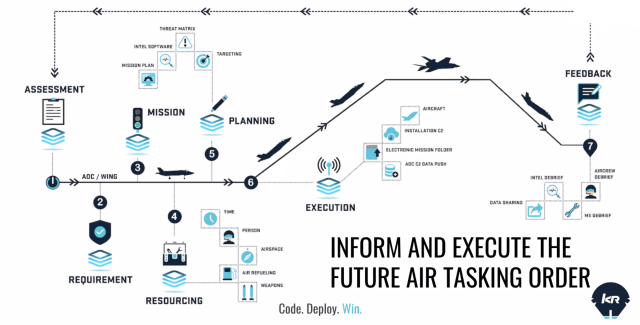
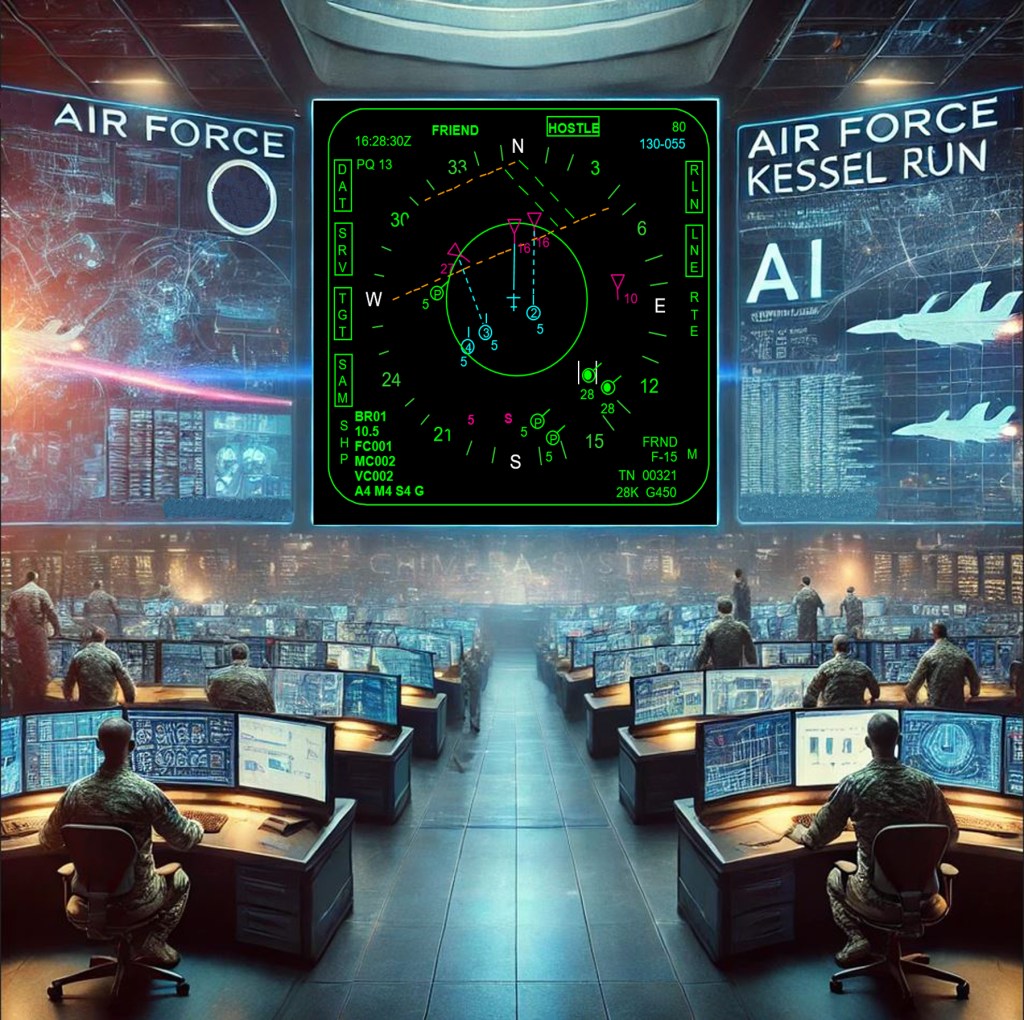
The Air Force’s Kessel Run software factory exemplifies cutting-edge innovation in agile development for modern air operations. Central to its efforts is the C2imera system, a highly adaptable software suite designed to enhance decision-making within Air Operations Centers (AOCs). Chimera integrates real-time data from multiple sources, employing advanced AI and cloud-based architecture to streamline planning, tasking, and execution processes. By prioritizing user-centered design and Agile development methodologies, Kessel Run has ensured C2imera meets the dynamic needs of air operations, significantly reducing the time required for critical mission planning and improving operational agility in contested environments.

Source: Kessel Run
Integrated Air Defense Systems (IADS)
An Integrated Air Defense System (IADS) is a coordinated network of sensors, weapons, and command structures designed to provide seamless protection across multiple domains. While not a standalone entity, IADS integrates disparate components into a cohesive framework.
Central to IADS is its surveillance and reporting capability. Near-real-time tracking and data dissemination are achieved through advanced radar and communication systems. These systems enable continuous monitoring of airspace, ensuring threats are identified and addressed promptly.
Rules of engagement (ROE) and engagement control procedures are standardized across the IADS, providing clear guidelines for action. This uniformity ensures all participating units operate cohesively, minimizing the risk of miscommunication during high-stakes engagements.
Joint engagement zones (JEZs) exemplify the integration within IADS. These zones allow multiple defense systems, such as SAMs and interceptors, to operate simultaneously within the same airspace. This synergy maximizes the effectiveness of defensive measures, creating a layered shield against diverse threats.
The success of IADS depends on advanced command and control (C2) systems, which integrate sensor data, coordinate responses, and facilitate interoperability among allied forces. These systems are the linchpin of modern air defense, ensuring unity of effort across complex operations.

Unknown Aircraft Incursion
1. Unidentified track is detected
2. Track data is passed to/from AWACS and ADOC
3. Unidentified track data is shared with fighter squadron
4. ADOC issues orders for fighters to visually ID (VID)
5. Fighters scramble from air base
6. Fighters VID as hostile, ADOC clears fighters to engage
Weapons Engagement Zones (WEZs)
Weapons Engagement Zones (WEZs) are predefined areas where specific weapon systems are responsible for engaging threats. This structured approach ensures efficient resource allocation and minimizes overlap between systems.
The Fighter Engagement Zone (FEZ) delegates responsibility to fighter aircraft, enabling rapid and flexible responses to air threats. High-Altitude Missile Engagement Zones (HIMEZ) and Low-Altitude Missile Engagement Zones (LOMEZ) focus on high- and medium-altitude targets, respectively, utilizing SAM systems optimized for these ranges.
Short-Range Air Defense Engagement Zones (SHORADEZ) address low-altitude threats, including UAVs and cruise missiles. These zones often rely on mobile and versatile platforms capable of adapting to dynamic battlefield conditions.
Joint Engagement Zones (JEZ) represent the pinnacle of WEZ integration, allowing multiple systems to operate concurrently. This overlapping coverage enhances defense effectiveness, particularly against complex, multi-vector attacks. By clearly defining responsibilities within WEZs, air defense forces can maximize their operational efficiency and effectiveness.
Future Challenges and Trends
The air defense landscape is evolving rapidly, driven by emerging threats and technological advancements. The proliferation of UAVs, hypersonic weapons, and stealth technology presents significant challenges to traditional defense systems.
Countering UAV swarms requires advanced radar capabilities capable of distinguishing between numerous small, fast-moving targets. AI-powered systems play a critical role in identifying and prioritizing threats within such scenarios. Similarly, hypersonic weapons demand radar systems with unparalleled tracking speed and accuracy due to their extreme velocity and maneuverability.
Stealth technology poses another challenge, as it reduces the detectability of aircraft and missiles. Innovations in radar, such as low-frequency and multi-static systems, are crucial for countering these threats. These advancements are complemented by sensor fusion and advanced signal processing techniques, enhancing detection capabilities.
The integration of cyber and electronic warfare into air defense adds another layer of complexity. Ensuring the resilience of systems against cyberattacks and jamming is paramount, as adversaries increasingly target communication and radar networks.
Conclusion
As air and missile threats continue to evolve, the importance of modern, integrated air defense systems cannot be overstated. By leveraging advanced radar technologies, AI-driven analytics, and coordinated operational frameworks, nations can maintain robust defense capabilities.
The future of air defense lies in adaptability and innovation, ensuring that systems remain effective against both current and emerging threats. Through continued investment and development, air defense will remain a cornerstone of national security, safeguarding vital interests and populations worldwide.
Additional Information
Acknowledgements and Image Credits
{1} You’re On My Radar. Image Credit: PWK International Advisers.
{2} Evolution of Radar: Cold War To Today. Source: PWK International Advisers.
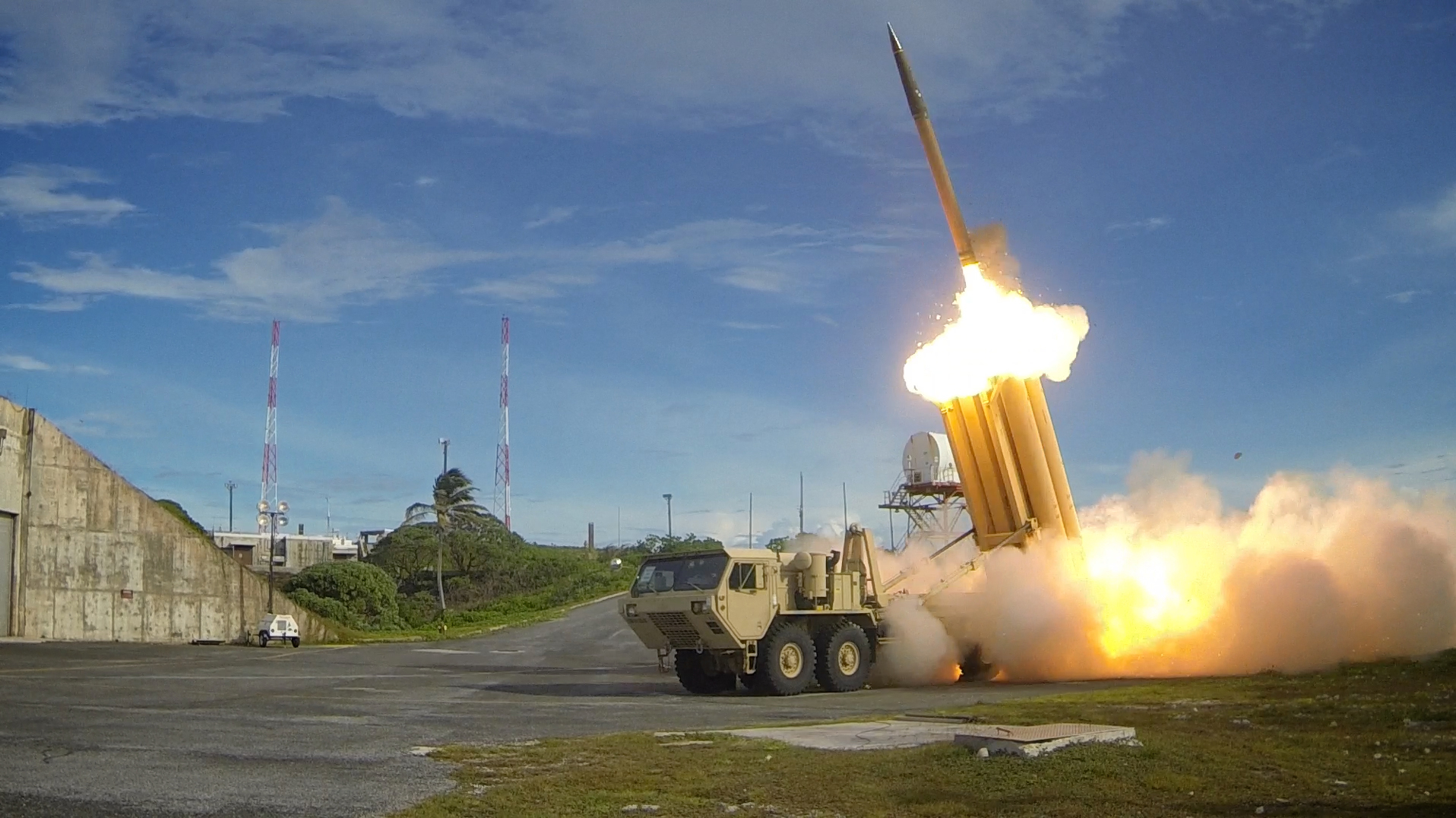
{3} Air Defense as a System of Systems. Caption: OPERATION IRAQI FREEDOM — Controllers in the Combined Air Operations Center at an air base on the Arabian Peninsula monitor the status of ongoing missions supporting Operation Iraqi Freedom. The CAOC was the nerve center for all U.S. Central Command air operations when the first air strike occurred early March 20, 2003. Cruise-missile attacks and the start of massive air operations with thousands of sorties a day followed this opening strike. By May 2, major combat was over and the stabilization phase of the operation began. Photo by Ministry of Defense – Royal Air Force Sgt. Gareth Davies. Also pictured is the Theatre High Altitude Area Defense (THAAD) battery. Image Credit: US Central Command.
{4} AI Powered Radar Revolution. Source: PWK International Advisers.
{5} The Air Force’s Kessel Run software factory exemplifies cutting-edge innovation in agile development for modern air operations. Source and Chart Credit: US Air Force Kessel Run.
{6} Unknown Aircraft Incursion Vignette: Source: PWK International Advisers.
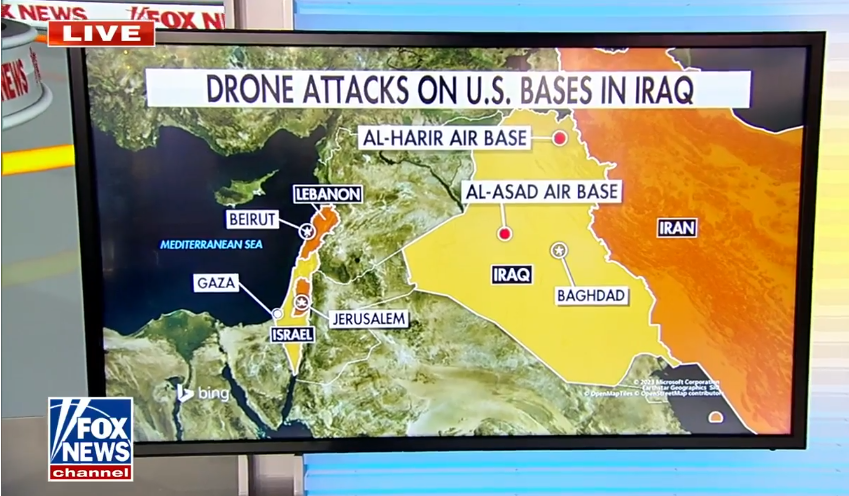
{7} Drone Attacks on US Bases in Iraq. Credit: Fox News.
About PWK International Advisers
PWK International provides national security consulting and advisory services to clients including Hedge Funds, Financial Analysts, Investment Bankers, Entrepreneurs, Law Firms, Non-profits, Private Corporations, Technology Startups, Foreign Governments, Embassies & Defense Attaché’s, Humanitarian Aid organizations and more.
Services include telephone consultations, analytics & requirements, technology architectures, acquisition strategies, best practice blue prints and roadmaps, expert witness support, and more.
From cognitive partnerships, cyber security, data visualization and mission systems engineering, we bring insights from our direct experience with the U.S. Government and recommend bold plans that take calculated risks to deliver winning strategies in the national security and intelligence sector. PWK International – Your Mission, Assured.



















 pwkinternational.com
Pingback: AI in the Cockpit: The Rise of Autonomous Wingmen |
Pingback: Taking Aim at Drones | The Fight for Control |