

The militarization of space is reshaping global power dynamics as nations recognize its potential as a contested strategic warfighting domain. Space-based technologies, including satellite constellations, directed-energy systems, and autonomous spacecraft, are driving this transformation. These innovations enable capabilities such as real-time surveillance, precision targeting, and advanced missile defense, granting strategic advantages to militarily forces that can master them.
This report aims to explore the anatomy of the US Space Force and seventeen key challenges to space militarization, ranging from cybersecurity vulnerabilities to the proliferation of space debris. Emerging technologies bring new threats, such as cyberattacks on satellites and collisions with orbital debris, which could disrupt critical infrastructure. Moreover, the dual-use nature of many space systems blurs the distinction between civilian and military activities, complicating efforts to regulate space operations. Addressing these challenges requires coordinated international action and the development of updated legal frameworks that account for the realities of 21st-century space warfare.
The United States Space Force

The U.S. Space Force is the sixth branch of the Armed Forces, established under the Department of the Air Force (DAF) with the enactment of the FY2020 National Defense Authorization Act ([NDAA], P.L. 116-92). According to Title 10, Section 9081, of the U.S. Code, “The Space Force shall be organized, trained, and equipped to—(1) provide freedom of operation for the United States in, from, and to space; (2) conduct space operations; and (3) protect the interests of the United States in space.”
Why the Space Force Was Created
The U.S. military operates 246 satellites, according to the Union of Concerned Scientists. This satellite fleet includes constellations such as the Global Positioning System (GPS), which is widely used by the public and the private sector. For decades, U.S. spacecraft operated without threat of attack by other nations.
Space Force Organization
The Chief of Space Operations (CSO) is the highest-ranking uniformed space advisor reporting to the Secretary of the Air Force. The Space Force and the U.S. Air Force (USAF) are two separate and distinct military uniformed services with the same civilian leader in the DAF. The structure is similar to how the Chief of Naval Operations and the Marine Corps report to the Secretary of the Navy.
The Office of the CSO and the Space Force Headquarters are located at the Pentagon. The Space Force has a command structure with three levels. At the top of the hierarchy, three-star generals lead mission-focused field commands. The Space Force’s three field commands are Space Operations Command (SpOC), Space Training and Readiness Command (STARCOM), and Space Systems Command (SSC). SpOC, based at Peterson Space Force Base (SFB) in Colorado Springs, CO, provides space forces to combatant commands. STARCOM prepares space forces for operations. The DAF has selected Patrick SFB in Florida as STARCOM’s headquarters. SSC, based at Los Angeles Air Force Base, handles acquisition. On February 12, 2024, Saltzman announced the Space Force’s intent to stand up a fourth field command, Space Futures Command, to forecast threats, test concepts based on those forecasts, and design missions.

The Space Force manages space launch operations on the East Coast at Patrick SFB in Florida and on the West Coast at Vandenberg SFB in California. The service develops, defends, and operates cybersecurity networks, as well as satellites that provide secure communications, weather and navigational information, and missile warning. The service uses space surveillance sensors to track satellites and space debris for its own use and distributes much of that information publicly. The Space Force mission is to defend U.S. satellites from hostile attacks and conduct offensive counterspace operations to degrade an adversary’s ability to conduct space-based attacks.
Major Space Acquisition Programs
The FY2025 budget request included funding for the development and procurement of spacecraft, launch vehicles, space command and control systems, and terrestrial satellite terminals and equipment. Major acquisition programs include the following:
The National Security Space Launch (NSSL) program procures commercial launch services for the Space Force, Air Force, Navy, National Reconnaissance Office, Space Development Agency, and other government agencies. This program ensures U.S. access to space.
The GPS Enterprise provides 24-hour-a-day, worldwide coverage, including all-weather three-dimensional positioning, navigation, and timing (PNT) for military and civilian users.
Missile Warning Systems supply warning of strategic missile attacks using the existing Space-Based Infrared System. The Space Force is developing the Next Generation Overhead Persistent Infrared and Resilient Missile Warning and Missile Tracking program.
Satellite Communications (SATCOM) Projects deliver three types of SATCOM. Strategic SATCOM refers to Nuclear Command, Control, and Communications (NC3); protected SATCOM enables communications to deployed forces in contested environments; and wideband/narrowband SATCOM offers large amounts of data transfer in less-contested environments.
Under the Proliferated Space Warfighter Architecture, the Space Force is soliciting, purchasing, and launching low-Earth-orbit satellites to create a constellation that will conduct multiple missions. The missions will overlap with the systems conducting PNT, missile warning, and communications. These satellites will fly at lower altitudes and in greater numbers, providing additional capabilities and more resilience.

HOW TO WIN A SPACE RACE

This historic declassified National Security Action Memorandum from April 11, 1962, initiated by President John F. Kennedy's administration, represents a foundational moment in U.S. space policy. By assigning the Apollo Program the highest national priority, this document mobilized the industrial base to develop lunar landers, spacecraft, and supporting infrastructure, setting the stage for the United States to achieve dominance in the space race. It underscores how strategic acquisition decisions and artifacts can drive innovation and secure technological superiority in a global competition amongst great powers.

Source: John F Kennedy Presidential Library. Boston Massachusetts.
Accelerating Space Acquisitions
The FY2023 NDAA directed the Defense Business Board (DBB) and the Defense Innovation Board (DIB) to study means for DOD to more rapidly acquire space assets. The resulting report recommends further empowering the Space Acquisition Executive (SAE), who oversees the military’s space architecture, leads the DAF’s purchase of space systems, and reports to the Secretary of the Air Force. The report recommends allowing the SAE to approve contracting vehicles (called Other Transaction Agreements) that exceed $500 million without seeking additional approval.
The DBB and DIB report also calls for the SAE to determine the membership and frequency of meetings of the Space Acquisition Council, which manages DOD space procurements. The report advises allowing the SAE to hold funds in reserve for adding technology to existing programs, risk reduction, program acceleration, or corrective actions.

Stage 1: The Emergence of Space Data Centers
Space data centers are rapidly transitioning from theoretical concepts to strategic necessities. As terrestrial data infrastructure faces limitations due to physical space, energy consumption, and cybersecurity threats, orbit-based facilities offer unique advantages. By leveraging the near-perfect cooling environment of space and eliminating many physical vulnerabilities, these centers promise unparalleled efficiency and security. Moreover, their location above the Earth’s surface enables low-latency global communication and data processing, making them invaluable for military, intelligence, and commercial applications. The military applications of space data centers are vast, ranging from real-time satellite imagery processing to secure command-and-control systems for global operations. These centers could serve as hubs for processing vast quantities of data collected by reconnaissance satellites and drones, providing decision-makers with actionable intelligence in near real-time. Additionally, space-based data centers could enhance secure communications for armed forces by reducing interception risks associated with terrestrial networks, offering a strategic edge in both conventional and asymmetric warfare scenarios.
Despite their potential, space data centers face numerous challenges. High initial costs, technological complexities, and the need for reliable space launch and maintenance capabilities are significant barriers. Furthermore, issues such as radiation shielding, long-term power generation, and debris impact resistance must be addressed to ensure operational longevity. Collaboration between governments, private companies, and research institutions is critical to overcoming these challenges and making space data centers viable for large-scale deployment. The deployment of space data centers could reshape the geopolitical landscape by shifting the balance of technological power. Nations with the resources and technical expertise to establish such facilities would gain a significant advantage, potentially leading to a new era of space-based competition. Moreover, the strategic importance of these centers would make them prime targets during conflicts, raising questions about their defense and the potential for escalation into space warfare. The militarization of space data centers underscores the need for international agreements to regulate their use and prevent conflict.
Stage 2: The Rise of Orbital Defense Networks
As the militarization of space accelerates, nations are developing orbital defense networks to protect their critical assets in orbit. These networks consist of satellites equipped with sensors, countermeasure systems, and even defensive weapons to neutralize threats. Their purpose is to safeguard key infrastructure such as communications satellites, reconnaissance platforms, and GPS systems that underpin both civilian and military operations. With space now recognized as a contested domain, the ability to defend these assets is a top priority for global powers. Anti-satellite weapons have become a critical part of modern military arsenals, capable of disabling or destroying satellites in orbit. These systems include kinetic kill vehicles, directed energy weapons, and cyber capabilities that disrupt satellite operations. ASAT tests conducted by nations such as the United States, China, Russia, and India demonstrate the growing focus on denying adversaries access to space-based systems during conflicts. However, the use of ASAT weapons generates debris, exacerbating the already significant problem of space pollution. In response to the ASAT threat, nations are investing in advanced defensive technologies.

These include hardening satellites against electronic and cyber-attacks, deploying maneuverable satellites that can evade threats, and creating redundancies in satellite constellations to ensure resilience. Emerging technologies like autonomous satellite swarms and laser-based defenses are also being explored to protect orbital infrastructure. Collaboration between governments and private space companies is crucial to building these systems. The development of ASAT weapons and orbital defenses has profound implications for space warfare and diplomacy. The potential for escalation in conflicts involving space-based assets raises concerns about the militarization of space and the risk of cascading debris fields that could render parts of orbit unusable. Diplomatic efforts, such as agreements to limit ASAT testing and encourage transparency in space activities, are critical to mitigating these risks. However, the lack of a comprehensive international framework leaves space vulnerable to unchecked competition and conflict.
Stage 3: The Role of AI in Space Warfare
Artificial intelligence is transforming space operations, enabling satellites to perform autonomous tasks such as orbit adjustments, threat detection, and anomaly resolution. AI systems can process vast amounts of data from sensors and make real-time decisions, significantly enhancing the effectiveness of space missions. This capability is particularly valuable in military applications, where rapid response times can be critical to mission success. The integration of AI into spacecraft has opened new possibilities for military operations. Autonomous vehicles can conduct reconnaissance, deploy countermeasures, and even execute offensive actions without direct human intervention. These systems are particularly advantageous in high-risk or contested environments where communication with ground control may be disrupted. The combination of AI and advanced robotics is reshaping the capabilities of space-based military platforms.
The use of AI in space warfare raises significant ethical and operational concerns. Autonomous systems may act unpredictably in complex scenarios, increasing the risk of unintended escalation or collateral damage. Additionally, the deployment of AI-powered weapons in space could lead to an arms race, as nations seek to outpace each other in technological advancements. Establishing guidelines for the ethical use of AI in space is essential to prevent misuse and maintain stability. AI’s role in space warfare underscores the growing importance of technology in global security. Nations investing in AI for space operations are likely to gain a strategic edge, potentially widening the gap between technologically advanced countries and those lacking these capabilities. The race to develop AI-powered space systems is not only a military competition but also a driver of broader innovation, with implications for commercial and scientific applications.
Stage 4: Cislunar Space: The Next Frontier of Military Strategy
Cislunar space, the region between Earth and the Moon, is emerging as a critical area for military strategy. This region offers unique advantages for positioning satellites, conducting reconnaissance, and establishing communication relays. Control over cislunar space could provide nations with a significant strategic advantage, enabling them to dominate both Earth and lunar activities. The expansion of military operations into cislunar space involves the deployment of satellites, space stations, and even lunar bases. These assets can support long-range surveillance, missile detection, and secure communications. The establishment of infrastructure in this region could also serve as a stepping stone for deeper space exploration and resource extraction, further enhancing national capabilities. Operating in cislunar space presents unique challenges, including extended communication delays, increased radiation exposure, and logistical complexities.
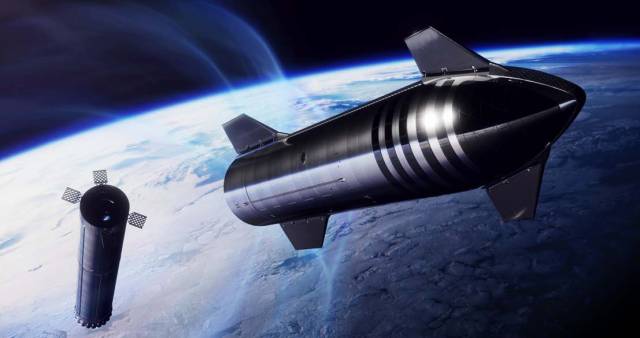
The development of reliable propulsion systems, autonomous maintenance technologies, and robust power sources is essential for sustained operations in this region. Additionally, the potential for conflict in cislunar space raises concerns about the escalation of tensions and the need for rules of engagement. The militarization of cislunar space highlights the importance of international collaboration to establish norms and prevent conflicts. Agreements on the use of cislunar space for peaceful purposes, similar to the Outer Space Treaty, could help mitigate risks and promote cooperation. However, geopolitical rivalries may complicate efforts to reach consensus, making the development of cislunar space a potential flashpoint in the competition for space dominance.
Stage 5: Space Logistics for Future Conflicts
Space logistics are critical for sustaining military operations in orbit and beyond. As nations expand their reliance on space assets, ensuring the availability of resources like fuel, spare parts, and maintenance tools becomes essential. Orbital refueling stations, autonomous repair drones, and modular spacecraft designs are among the innovations shaping this field. To support sustained space operations, companies and governments are exploring the deployment of orbital depots, manufacturing facilities, and on-demand delivery systems. These technologies can significantly reduce the need to launch resources from Earth, allowing for more efficient and agile military operations. The development of space logistics systems faces numerous obstacles, including cost, technological hurdles, and regulatory complexities.
Coordinating supply chains across Earth and space requires seamless integration of terrestrial and orbital operations, which demands substantial innovation in automation and communication. Robust space logistics capabilities could determine the outcome of future conflicts by enabling sustained operations far from Earth. Nations that master these systems will have a decisive advantage, as they can rapidly deploy and maintain space-based assets while denying adversaries access to critical resources.

Stage 6: Space Cybersecurity: Protecting Critical Space Assets
As satellites and spacecraft become more interconnected, they are increasingly vulnerable to cyberattacks. Hackers can disrupt operations, steal sensitive data, or even take control of critical systems, posing a significant threat to national security and global stability. To counter these threats, organizations are implementing advanced encryption, real-time threat detection systems, and autonomous cybersecurity protocols. Partnerships between government agencies and private companies are essential to developing robust defenses for space assets.
Unlike terrestrial networks, space systems operate in environments with limited physical access and high latency, complicating traditional cybersecurity measures. Additionally, the long lifecycle of satellites makes it difficult to update software and hardware to address emerging threats. The ability to secure space assets is increasingly becoming a measure of national power. Nations that fail to protect their systems risk losing strategic advantages, while those that excel in cyber defense can dominate the contested domain of space.
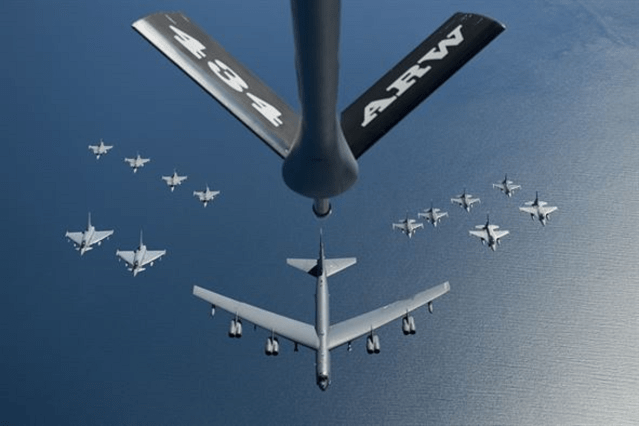
For a comprehensive report on the Air Force Cyber Campaign Plan, please see:
Zero Day Weapons: Resilient Kill Chain Through Cyber Mission Thread Analysis
Stage 7: International Space Treaties and Military Ambiguity
Current space treaties, such as the Outer Space Treaty of 1967, were created in a vastly different technological and geopolitical era. These agreements lack provisions addressing modern challenges, such as the deployment of weapons in orbit or the use of dual-purpose technologies. As space becomes increasingly militarized, there is a pressing need for updated international agreements to regulate activities and prevent conflict. Proposals include bans on the testing of anti-satellite weapons and the establishment of neutral zones in space.
Geopolitical rivalries and divergent national interests make it difficult to achieve consensus on new space agreements. Nations are reluctant to agree to restrictions that could limit their strategic options, leading to a fragmented approach to space governance. Private companies and international organizations can play a crucial role in shaping space policy. By advocating for responsible practices and transparency, these actors can help bridge gaps in regulation and promote the sustainable development of space.
Stage 8: The Economics of Space Militarization
Developing and maintaining space-based military capabilities is a costly endeavor, requiring significant investments in research, infrastructure, and personnel. These expenses place pressure on national budgets and prioritize strategic innovation. Private companies are driving innovation in space technologies, often outpacing government programs. Partnerships between defense agencies and firms like SpaceX and Blue Origin are reducing costs and accelerating deployment timelines. Nations that invest heavily in space militarization stand to gain a strategic edge, while those that lag behind risk being outmatched. The economic dimension of space competition is as important as its technological and military aspects. To justify the high costs of space militarization, nations must carefully assess the benefits of their investments. Strategic planning and international cooperation can help ensure that resources are used effectively and sustainably.

Stage 9: Dual-Use Technologies in Space
Many space technologies serve both civilian and military purposes, blurring the lines between peaceful and strategic applications. Examples include satellite constellations for internet services that can also support military communications. Technologies like reusable rockets, advanced sensors, and AI-powered analytics are expanding the range of dual-use capabilities. These innovations allow for cost-sharing between commercial and defense sectors. The dual-use nature of space technologies raises concerns about their potential misuse. For example, a satellite designed for environmental monitoring could be repurposed for surveillance or targeting. Policymakers must carefully regulate dual-use technologies to balance their benefits with potential risks. International agreements and oversight mechanisms can help ensure that these technologies are used responsibly.
Stage 10: Space-Based Energy Systems and Strategic Power Projection
Space-based solar power systems, which capture sunlight in orbit and transmit energy to Earth, represent a transformative capability. These systems offer a continuous, reliable energy source that is unaffected by weather or nighttime conditions. For militaries, this technology could power remote bases or critical operations without the need for vulnerable supply lines. Space-based energy systems can support global operations, from providing energy to disaster zones to enabling high-energy military installations like directed-energy weapons. They can also support space operations, supplying energy to orbital stations and spacecraft. Dual-use applications increase the appeal of these systems for both civilian and defense sectors.
Technical barriers, including energy transmission efficiency and the construction of large orbital platforms, must be addressed. High costs and geopolitical concerns about energy dominance add further complexity. The development of safe, reliable methods for transmitting energy, such as microwave beams, is essential to ensure widespread adoption. Control over space-based energy systems could become a key determinant of geopolitical power. Nations that lead in this area could project influence by providing energy to allies and denying it to adversaries. This potential for strategic dominance makes space-based energy systems a priority for major powers.
Stage 11: Weaponizing Space: The Legal and Ethical Debate
Space weapons range from kinetic kill vehicles to advanced directed-energy systems. While some nations have developed these capabilities, deploying them in space raises significant legal and ethical questions. The current international framework largely prohibits weapons of mass destruction in orbit but is silent on other types of armaments. Weaponizing space introduces risks of escalation, miscalculation, and collateral damage. The use of autonomous systems in space warfare heightens these concerns, as they may act unpredictably. Ensuring accountability and minimizing harm are critical ethical challenges. Existing treaties, such as the Outer Space Treaty, are insufficient to address modern weaponization issues. Calls for new agreements to ban or regulate space weapons have gained traction but face resistance from major powers seeking strategic flexibility. To mitigate risks, nations must engage in multilateral discussions to establish clear rules for space-based weapons. Transparency, confidence-building measures, and verification mechanisms can help reduce the likelihood of conflict while maintaining space as a global commons.

Stage 12: Space Debris and the Threat to Operations
Space debris, consisting of defunct satellites, spent rocket stages, and collision fragments, poses a significant threat to orbital operations. With thousands of satellites planned for deployment, the risk of debris collisions increases exponentially. For military operations, space debris jeopardizes critical systems such as communications, navigation, and surveillance. A single collision can create cascading debris fields, disrupting strategic capabilities and creating vulnerabilities. Efforts to mitigate space debris include active debris removal, improved satellite design, and international guidelines like the Space Debris Mitigation Guidelines. However, enforcement and funding remain significant challenges. Collaboration between nations and private companies is essential to address the debris problem. Establishing binding agreements and incentivizing debris reduction can help ensure the sustainability of space operations for military and civilian uses.
Stage 13: Lunar Bases and Their Military Potential
Nations and private companies are increasingly focusing on establishing lunar bases. These facilities could serve as hubs for scientific research, resource extraction, and military operations, offering strategic advantages in space dominance. Lunar bases could support missile detection, provide forward operating bases for spacecraft, and serve as platforms for deep-space exploration. Their location also enables the establishment of early-warning systems and long-term surveillance networks. Building and maintaining lunar bases require overcoming extreme environmental conditions, high costs, and logistical hurdles. Additionally, the militarization of the Moon could escalate tensions and provoke rival nations to pursue similar efforts. The Moon Agreement of 1979 prohibits the militarization of lunar resources but lacks broad international support. Updating this agreement or establishing new norms is critical to managing the strategic implications of lunar bases.
Stage 14: Space Alliances and Their Strategic Role
Alliances like NATO are increasingly recognizing space as a key domain of strategic interest. Partnerships enable the sharing of resources, intelligence, and capabilities, enhancing collective security in space operations. Collaborative missions, such as joint satellite launches and shared orbital assets, exemplify the benefits of alliances. These operations improve resilience, reduce costs, and provide access to a broader range of technologies. Differing national priorities, legal frameworks, and technological standards complicate multinational space efforts. Building trust and harmonizing policies are essential to the success of space alliances. As space becomes more contested, alliances will play a critical role in maintaining stability. Strengthening existing partnerships and forming new coalitions can help address emerging challenges and ensure the responsible use of space.

“The exploration and use of outer space, including the moon and other celestial bodies, shall be carried out for the benefit and in the interests of all countries, irrespective of their degree of economic or scientific development, and shall be the province of all mankind.”
Source: Outer Space Treaty
Stage 15: The Role of Private Companies in Space Militarization
Private companies are driving innovation in space technologies, providing capabilities that were once exclusive to governments. Firms like SpaceX, Anduril, and Northrop Grumman are developing systems for launch, surveillance, and defense. While private companies accelerate innovation, their involvement raises concerns about accountability and strategic dependence. Clear regulations are needed to ensure that private activities align with national security interests. Collaborations between governments and private companies are essential to advancing space capabilities. These partnerships leverage commercial innovation while maintaining strategic oversight. As private companies play an increasing role in space militarization, their influence on geopolitics will grow. Ensuring transparency and cooperation will be vital to balancing innovation with security.
Stage 16: Space Resource Exploitation and Strategic Competition
Resources such as rare metals and water ice in space have significant strategic value. Controlling these resources could provide economic and military advantages. Nations are investing in technologies to mine asteroids and lunar surfaces. This competition raises concerns about resource monopolization and the potential for conflict. Current treaties do not adequately address resource exploitation. Establishing clear rules for resource use is critical to preventing disputes and ensuring equitable access. Space resource exploitation could redefine power dynamics on Earth and in space. Nations that lead in this area will gain long-term economic and strategic advantages.
Stage 17: The Future of Space Militarization
The militarization of space marks a new era in global competition, with significant implications for security and power projection. Technological advancements will continue to drive this transformation. Ensuring that space remains a stable and secure domain requires balancing innovation with responsible governance. Nations must prioritize collaboration while preparing for potential conflicts. The future of space militarization is uncertain, with emerging technologies and geopolitical dynamics shaping the landscape. Flexibility and foresight will be critical to navigating this evolving domain. To ensure a secure and sustainable future in space, global leadership must rise to the challenge. Collaborative frameworks, innovative solutions, and responsible policies will be essential in shaping the next frontier.

Conclusion
Private companies play an increasingly central role in the militarization of space, driving innovation in areas such as launch systems, satellite networks, and space logistics. Partnerships between governments and the private sector have accelerated advancements, reducing costs and broadening access to space-based capabilities. However, the growing influence of private actors raises concerns about accountability, regulation, and the potential for profit motives to undermine strategic objectives. Balancing private innovation with public oversight is essential to maintaining security and stability.
Ultimately, the future of space militarization will depend on a combination of technological innovation, strategic foresight, and responsible governance. Nations must navigate a delicate balance between advancing their capabilities and preventing conflict through diplomacy and collaboration. As the final frontier becomes increasingly contested, global leadership and cooperative frameworks will be vital to ensuring that space remains a domain of opportunity and security for future generations.
Sources, Acknowledgements and Image Credits
{1} Cosmic Conflict: 17 Stages to Space Superiority. Image Credit: PWK International Advisers. 21 Jan 2025.
{2} US Space Force Logo. Image Credit: US Space Force
{3} Space War Fighting Architecture. Chart Credit US Space Force Distribution A.
{4} HOW TO WIN A SPACE RACE. “This historic declassified National Security Action Memorandum from April 11, 1962, initiated by President John F. Kennedy’s administration, represents a foundational moment in U.S. space policy. By assigning the Apollo Program the highest national priority, this document mobilized the industrial base to develop lunar landers, spacecraft, and supporting infrastructure, setting the stage for the United States to achieve dominance in the space race. It underscores how strategic acquisition decisions and artifacts can drive innovation and secure technological superiority in a global competition amongst great powers.” Source: John F Kennedy Presidential Library. Boston Massachusetts.
{5} Seventeen Stages to Space Superiority. The X-37B Orbital Test Vehicle (OTV) is an unmanned spaceplane operated by the U.S. Air Force and Space Force. It’s designed to test reusable spacecraft technologies and conduct experiments in low-Earth orbit. Image Credit: US Space Force.
{6} The rise of orbital defense networks. NASA has selected Axiom Space and Collins Aerospace to advance spacewalking capabilities in low-Earth orbit and at the Moon, by buying services that provide astronauts with next generation spacesuit and spacewalk systems. Credit: NASA.
{7} Starship is a two-stage fully reusable super heavy-lift launch vehicle under development by American aerospace company SpaceX. On April 20, 2023, with the first Integrated Flight Test, Starship became the most massive and most powerful vehicle ever to fly. Image Credit: SpaceX.
{8} The International Space Station is a large spacecraft in orbit around Earth. It serves as a home where crews of astronauts and cosmonauts live. The space station is also a unique science laboratory. Image Credit: Undisclosed.
{8} The Economics of Space Militarization. Image Credit: PWK International Advisers. 21 Jan 2025.
{9} Weaponizing Space: The Legal and Ethical Debate. Image Credit: PWK International Advisers. 21 Jan 2025.
{10} Portions of this report are credited to the Congressional Research Service which serves as a nonpartisan shared staff to congressional committees and Members of Congress. It operates solely at the behest of and under the direction of Congress. Information in a CRS Report is designed to inform public understanding of information that has been provided by CRS to Members of Congress in connection with CRS’s institutional role. CRS Reports, as a work of the United States Government, are not subject to copyright protection in the United States. Any CRS Report may be reproduced and distributed in its entirety without permission from CRS. Editorial Credit: Congressional Research Service, Hannah D. Dennis, Analyst in U.S. Defense Policy.
About PWK International Advisers
PWK International provides national security consulting and advisory services to clients including Hedge Funds, Financial Analysts, Investment Bankers, Entrepreneurs, Law Firms, Non-profits, Private Corporations, Technology Startups, Foreign Governments, Embassies & Defense Attaché’s, Humanitarian Aid organizations and more.
Services include telephone consultations, analytics & requirements, technology architectures, acquisition strategies, best practice blue prints and roadmaps, expert witness support, and more.
From cognitive partnerships, cyber security, data visualization and mission systems engineering, we bring insights from our direct experience with the U.S. Government and recommend bold plans that take calculated risks to deliver winning strategies in the national security and intelligence sector. PWK International – Your Mission, Assured.



















 pwkinternational.com