
In the late 1980s, as the Cold War thawed in Europe, the United States faced a growing crisis in Panama. General Manuel Noriega, a dictator with ties to drug trafficking and communist regimes, was destabilizing the region and threatening the security of the Panama Canal. The US had a complex relationship with Panama, rooted in the history of the Panama Canal. The Canal, a vital artery for global commerce and naval transit, was under US control, but resentment over this foreign presence was growing in Panama.
When Noriega annulled the 1989 elections and declared a state of war with the US, the US government decided to act. Operation Just Cause was the result, a military intervention to remove Noriega from power and restore stability to Panama.
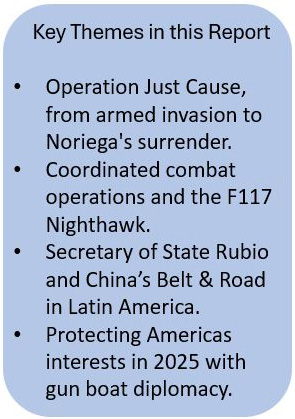
Panama’s strategic importance, particularly concerning the Panama Canal, continues to be a focal point in its relationship with the United States. While the Canal’s operation and administration are now firmly in Panamanian hands, the US maintains a keen interest in its smooth functioning and security. The “America First” agenda, while primarily focused on domestic policies, can indirectly influence US foreign policy, including its approach to Panama.
This approach emphasizes bilateral agreements that prioritize US interests, potentially leading to negotiations aimed at securing preferential treatment for US vessels including military ships using the Canal.
Secretary of State Rubio has also been vocal about the need for increased US engagement in Latin America to counter the influence of other global powers. His views reflect a broader debate within the US about the future of its relationship with Latin America and the importance of maintaining its strategic interests in the region. The current situation in Panama is marked by a complex interplay of economic, political, and strategic factors. The US seeks to balance its desire for favorable terms regarding the Canal with the need to maintain a strong and cooperative relationship with Panama. This report aims to explore the history of the US – Panama challenge, the 1989 armed invasion to remove communism, the future of its relationship with both the US and China, and the significant implications for the region’s economy and international trade relations.
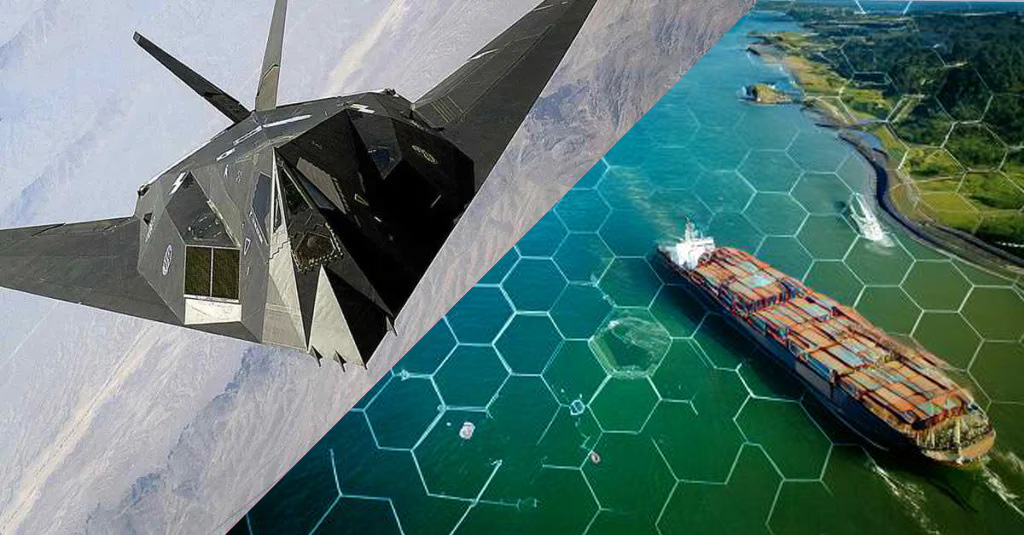
Operation Just Cause: A Narrative Account
The situation in Panama in the late 1980’s was complex and fraught with historical baggage. The US had a long-standing presence in the country, dating back to the construction of the Panama Canal. While the Canal was a vital strategic and economic asset for the US, it was also a source of resentment for many Panamanians who viewed it as a symbol of foreign domination. Noriega, a former ally of the US, had become increasingly erratic and authoritarian, alienating both his own people and the US government. His ties to drug trafficking and his disregard for democratic norms made him a liability in the eyes of US policymakers. When he annulled the elections and declared war on the US, he provided the US with a pretext for intervention.
The decision to invade Panama was not taken lightly in Washington. There were concerns about the legality of the operation, the potential for civilian casualties, and the impact on US relations with Latin America. However, the US government ultimately concluded that the risks of inaction were greater than the risks of intervention. Noriega’s continued rule threatened the stability of the region and the security of the Canal. Moreover, his defiance of international law and his ties to drug cartels sent a dangerous message to the world. The US invasion of Panama sent a clear signal that the US was willing to use military force to protect its interests and uphold international norms.
Planning and Preparation
The operation was meticulously planned and rehearsed for months. The US military, under the command of General Maxwell Thurman, developed a plan called “Blue Spoon” to neutralize the Panama Defense Force (PDF) and capture Noriega. The plan involved a massive deployment of troops, including special forces, airborne units, and conventional forces. The US military also prepared for the political fallout of the invasion, ensuring that a legitimate government was ready to take power after Noriega’s removal.
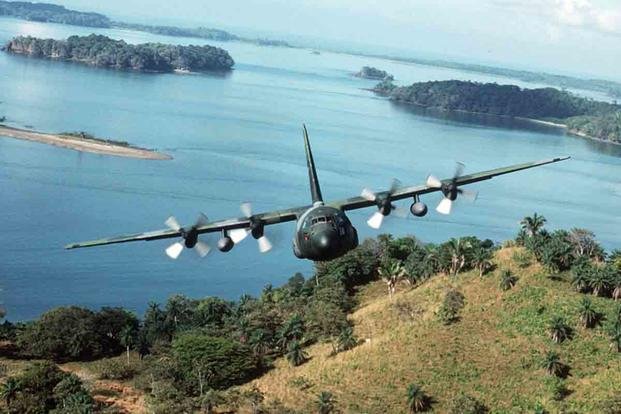
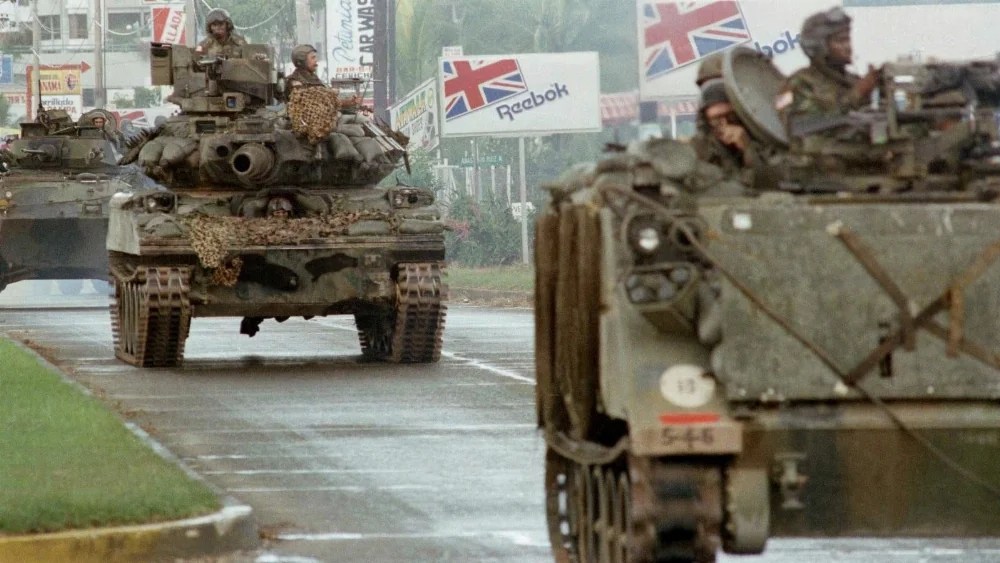
The planning for Operation Just Cause was a complex undertaking, involving multiple branches of the US military and various government agencies. The planners had to take into account the unique challenges of the operation, including the need to minimize civilian casualties, protect the Panama Canal, and capture Noriega alive. They also had to coordinate the operation with the newly elected Panamanian government, which was waiting in the wings to take power after Noriega’s removal. The meticulous planning and preparation paid off in the end, as the invasion was executed with speed and precision.
The rehearsals for the operation were extensive, involving thousands of troops and numerous simulations. The US military wanted to ensure that every aspect of the invasion was carefully choreographed and that all the units involved were working in sync. The rehearsals also allowed the troops to familiarize themselves with the terrain and the challenges they would face in Panama. The rigorous training and rehearsals gave the US forces a decisive edge in the actual invasion.
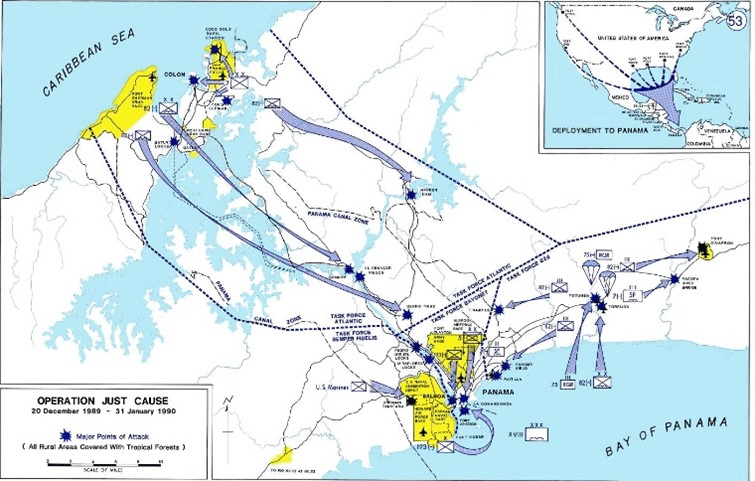
The Invasion
On December 20, 1989, Operation Just Cause began. In the early hours of the morning, US forces launched a surprise attack on key military installations and PDF strongholds. The invasion was swift and decisive. Special forces targeted Noriega’s command centers, while airborne troops secured strategic locations like airports and bridges. Conventional forces moved in to secure the capital city and other key areas. The PDF, demoralized and outgunned, quickly crumbled.

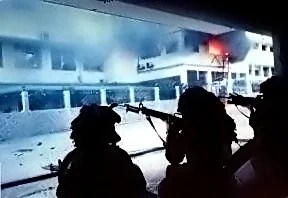
The invasion began with a series of coordinated attacks by special forces, airborne troops, and conventional units. The goal was to overwhelm the PDF and seize control of key installations before they could react. The surprise element was crucial to the success of the invasion, as it caught the PDF off guard and prevented them from mounting an effective defense. The speed and decisiveness of the initial assault set the tone for the entire operation.
The fighting was intense but short-lived. The PDF, despite being numerically superior, was no match for the well-trained and well-equipped US forces. Many PDF soldiers surrendered without a fight, while others melted away into the civilian population. The US military quickly gained control of the capital city and other strategic locations. Within a few hours, it was clear that the invasion had been a success.
Special Operations
Special operations forces played a critical role in the invasion. Army Rangers conducted daring airborne assaults on PDF airfields, while Navy SEALs targeted key installations and pursued Noriega himself. The special forces also had the mission of rescuing any American hostages held by the PDF.

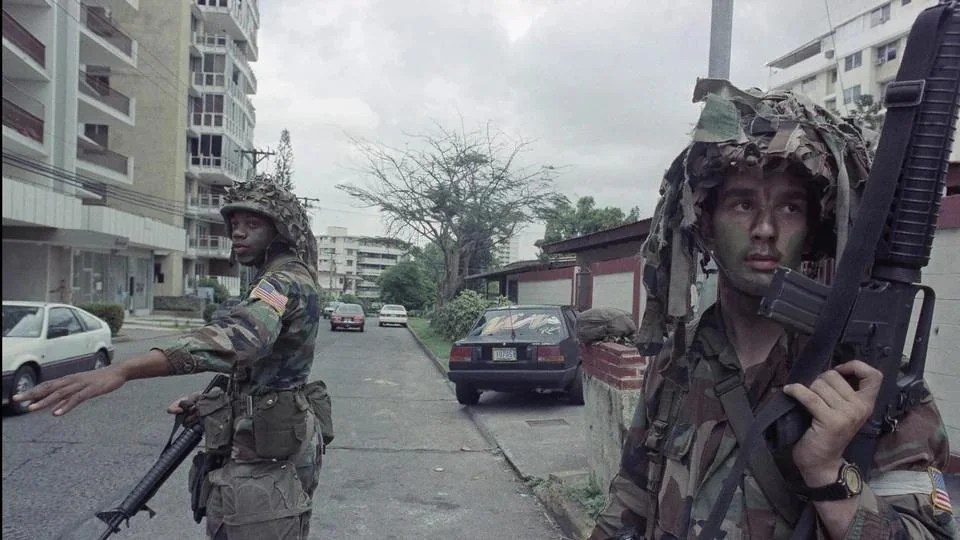
The special forces units involved in Operation Just Cause were among the best trained and most experienced in the US military. They were given some of the most dangerous and challenging missions of the invasion, including the capture of Noriega. Their success in these missions was critical to the overall success of the operation.
The Army Rangers who conducted the airborne assault on the PDF airfields faced heavy resistance, but they were able to secure their objectives and prevent the PDF from using their air power. The Navy SEALs who targeted key installations also faced significant risks, but they were able to accomplish their missions without suffering any casualties. The special forces demonstrated their professionalism and courage under fire, playing a crucial role in the success of Operation Just Cause.
Conventional Forces
The bulk of the invasion force was made up of conventional army and marine units. These forces secured the Panama Canal, neutralized PDF resistance in Panama City, and established control over key areas of the country. The 82nd Airborne Division played a prominent role, conducting a large-scale parachute assault to secure the Tocumen International Airport.
The conventional forces that participated in Operation Just Cause included units from across the US military, including the Army, Marines, and Air Force. These units were responsible for securing the Panama Canal, neutralizing PDF resistance in Panama City, and establishing control over key areas of the country. The 82nd Airborne Division’s parachute assault on the Tocumen International Airport was one of the largest airborne operations since World War II.
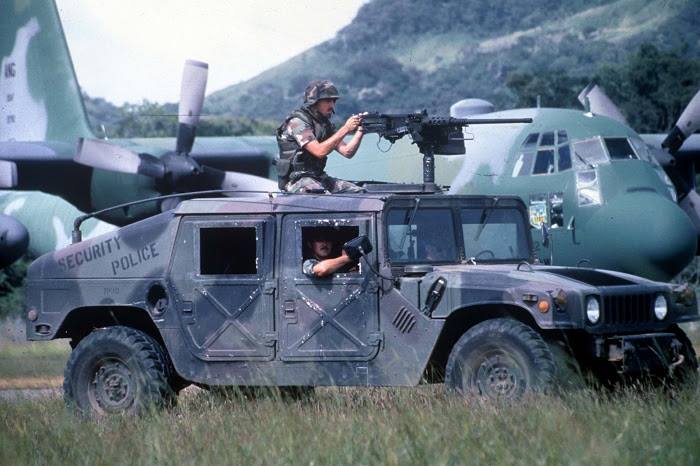
The conventional forces faced a variety of challenges in Panama, including urban warfare, tropical terrain, and the need to minimize civilian casualties. They also had to contend with the PDF’s unconventional tactics, such as ambushes and sniper fire. Despite these challenges, the conventional forces were able to accomplish their missions with professionalism and efficiency.
Air Power
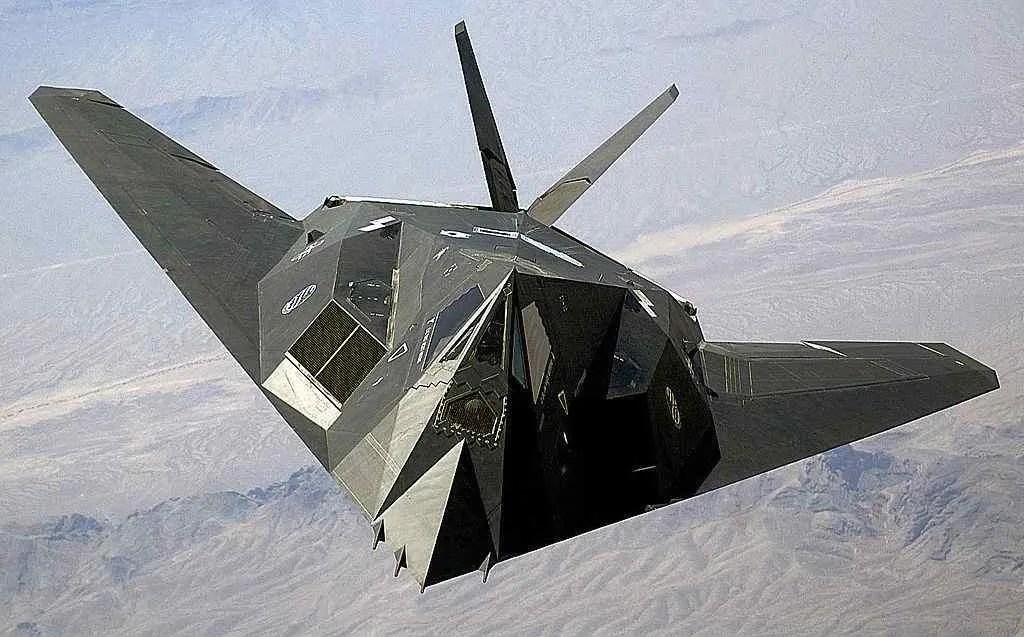
US air power was instrumental in the success of the invasion. F-117A stealth fighters conducted precision strikes on PDF targets, while attack helicopters provided close air support to ground forces. Air transport was crucial for deploying troops and equipment rapidly.
The use of air power in Operation Just Cause was carefully planned and executed. The US military wanted to minimize civilian casualties and damage to infrastructure, so precision strikes were prioritized. Stealth fighters were used to target key PDF installations without being detected, while attack helicopters provided crucial support to ground forces in urban areas. Air transport was essential for deploying troops and equipment quickly and efficiently.
The air campaign was a success, achieving its objectives without causing significant collateral damage. The US military’s ability to use air power effectively was a major factor in the overall success of the invasion.
The Capture of Noriega
Noriega initially evaded capture, but US forces were relentless in their pursuit. After days of searching, he was finally cornered in the Vatican embassy in Panama City. Facing mounting pressure, Noriega surrendered and was taken into custody. He was later extradited to the United States, where he was tried and convicted on cocaine trafficking charges.
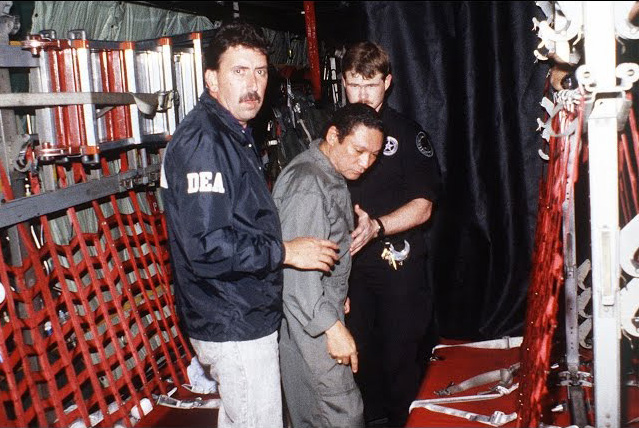

The capture of Noriega was a major objective of Operation Just Cause. His capture was essential to the restoration of stability in Panama and the success of the operation. Noriega’s initial evasion of capture was a setback, but US forces were determined to find him and bring him to justice. His eventual capture in the Vatican embassy was a major coup for the US military.
Noriega’s trial and conviction on drug trafficking charges sent a clear message that the US was serious about combating drug cartels and their influence in Latin America. His imprisonment brought an end to his reign of terror in Panama and allowed the country to begin the process of rebuilding.
Aftermath and Legacy
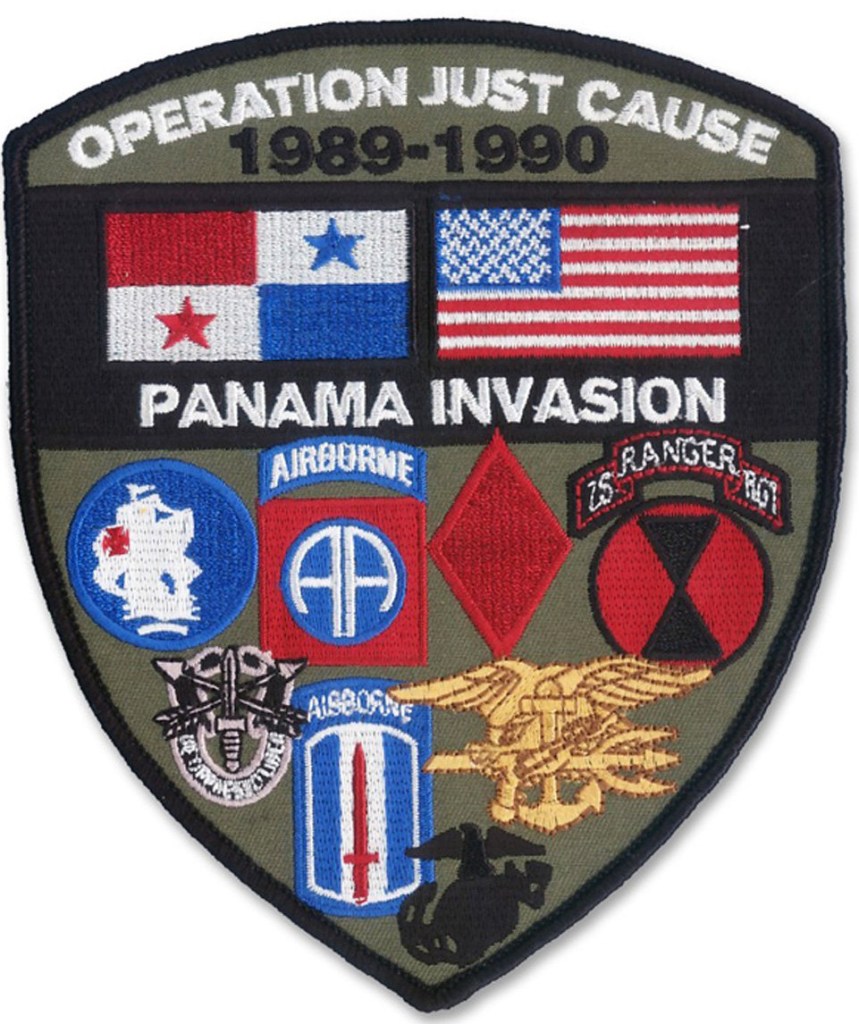
With Noriega in custody, the US military transitioned to the task of restoring order and stability in Panama. Civil affairs units worked to rebuild infrastructure, provide humanitarian aid, and support the newly installed government. Operation Just Cause was a success in its primary objectives: Noriega was removed from power, the PDF was dismantled, and the Panama Canal was secured.
The operation also demonstrated the effectiveness of the US military’s new joint operations doctrine, which emphasized coordination and interoperability between different branches of the armed forces. However, the invasion was not without controversy. Critics questioned the legality of the intervention and raised concerns about civilian casualties. The long-term impact of the invasion on Panamanian society and US-Panamanian relations continues to be debated.
Conclusion

Operation Just Cause was a significant event in the history of US-Latin American relations. It marked a departure from the covert operations and proxy wars of the Cold War era, demonstrating a willingness to use direct military force to achieve its objectives in the region. The invasion had a profound impact on Panama, ending the Noriega regime and ushering in a new era of democratic rule. However, the legacy of Operation Just Cause remains complex, with questions about its justification and long-term consequences.
The future of the Panama Canal and its surrounding region is uncertain. The United States faces several challenges, including the need to modernize the Canal, the threat of competition from a new canal in Nicaragua, and the growing influence of China in the region.
Several options are on the table for the United States. One option is to increase its investment in the Panama Canal and negotiate lower transiting fees for both military and commercial vessels that fly the US Flag. This would help to ensure that the Canal remains competitive and efficient. The United States could also choose to take a more aggressive approach to the region, using gunboat diplomacy and regime change as it did in the 1989 Operation Just Cause to protect its interests.
Additional Information
Sources, Acknowledgements and Image Credits
{1} Cocaine Canal: How America Invaded Panama. Image Credit: PWK International Advisers. 09 Feb 2025
{2} Panama Canal: The Strategy Game of Global Shipping. Image Credit: PWK International Advisers. 09 Feb 2025
{3} A C-130E Hercules aircraft from the 934th Tactical Airlift Group, U.S. Air Force Reserve, flies along the coast while returning to Howard Air Force Base, Panama, during Operation Just Cause. Credit: National Archives/Master Sgt. Ken Hammond
About PWK International Advisers
PWK International provides national security consulting and advisory services to clients including Hedge Funds, Financial Analysts, Investment Bankers, Entrepreneurs, Law Firms, Non-profits, Private Corporations, Technology Startups, Foreign Governments, Embassies & Defense Attaché’s, Humanitarian Aid organizations and more.
Services include telephone consultations, analytics & requirements, technology architectures, acquisition strategies, best practice blue prints and roadmaps, expert witness support, and more.
From cognitive partnerships, cyber security, data visualization and mission systems engineering, we bring insights from our direct experience with the U.S. Government and recommend bold plans that take calculated risks to deliver winning strategies in the national security and intelligence sector. PWK International – Your Mission, Assured.

















 pwkinternational.com
Pingback: A Dark History of Nocturnal Combat |