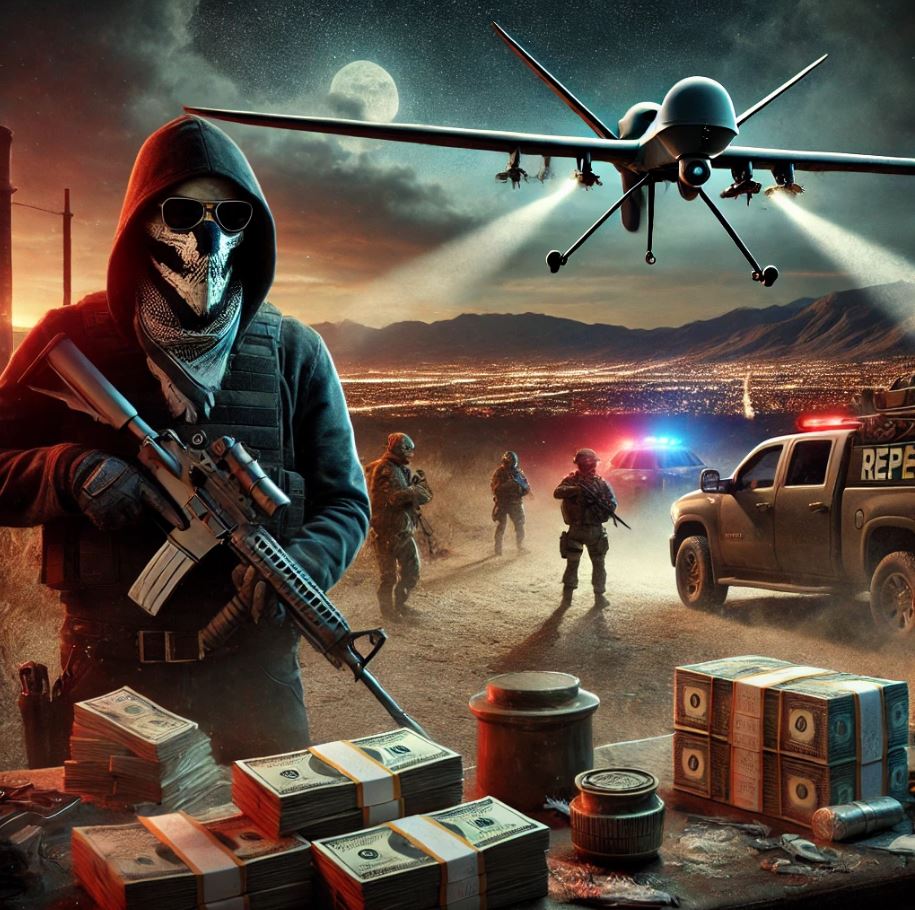
An Addicts Guide to Cartels The war on drugs has entered a new phase, one defined by the fusion of advanced surveillance technology, militarized enforcement, and the relentless adaptation of cartel operations. From the jungles of Central America to the bustling border towns of Mexico, organized crime syndicates have built empires fueled by narcotics, weapons, and human trafficking. In response, the United States has escalated its efforts, deploying special forces and expanding CIA-led drone surveillance flights deep into Mexican territory. This evolving battle raises critical questions about sovereignty, effectiveness, and the unintended consequences of militarized counter-narcotics strategies.
This report aims to provide a comprehensive overview of the major drug cartels operating in Mexico and Central America, the growing role of U.S. intelligence and military assets in countering them, and the broader implications of these efforts. By examining the key players—such as the Sinaloa Cartel, CJNG, and Los Zetas—alongside the latest surveillance and enforcement measures, we can better understand the shifting dynamics of the drug trade. The use of unmanned aerial vehicles (UAVs) and special operations forces marks a significant shift in how the U.S. combats illicit networks, yet these efforts are not without controversy, particularly regarding Mexican sovereignty and the risk of escalating violence.

As cartels grow increasingly sophisticated, utilizing encrypted communications, armed convoys, and their own drones for smuggling operations, the response from the U.S. and its allies must also evolve. However, while high-tech solutions and military deployments may disrupt trafficking routes and dismantle leadership structures, they do little to address the underlying economic and social conditions that sustain the drug trade. Understanding this complex and ever-changing landscape is crucial to crafting policies that not only weaken criminal enterprises but also build long-term stability in the region.
Chapter 1: The Evolving Landscape of Drug Trafficking
The global drug trade has undergone significant transformations over the past few decades, with Mexican and Central American cartels emerging as dominant players in the illicit narcotics market. Once overshadowed by Colombian organizations like the Medellín and Cali cartels, Mexico’s crime syndicates now control vast portions of the drug supply chain, from production to distribution. The cartels’ adaptability and ruthless efficiency have enabled them to expand beyond traditional narcotics like cocaine and heroin to synthetic drugs such as fentanyl and methamphetamine, which have become primary drivers of the ongoing opioid crisis in the United States.
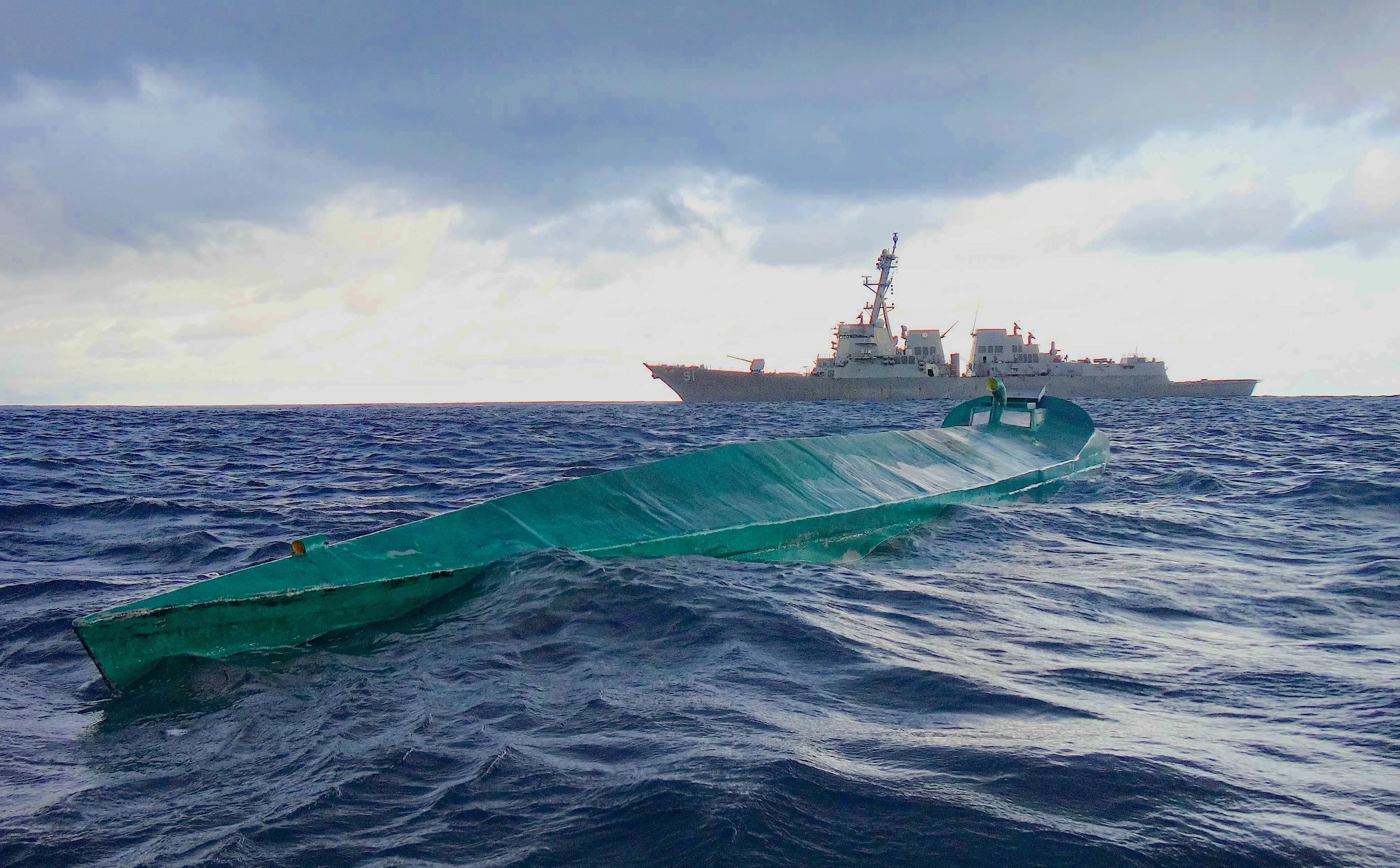
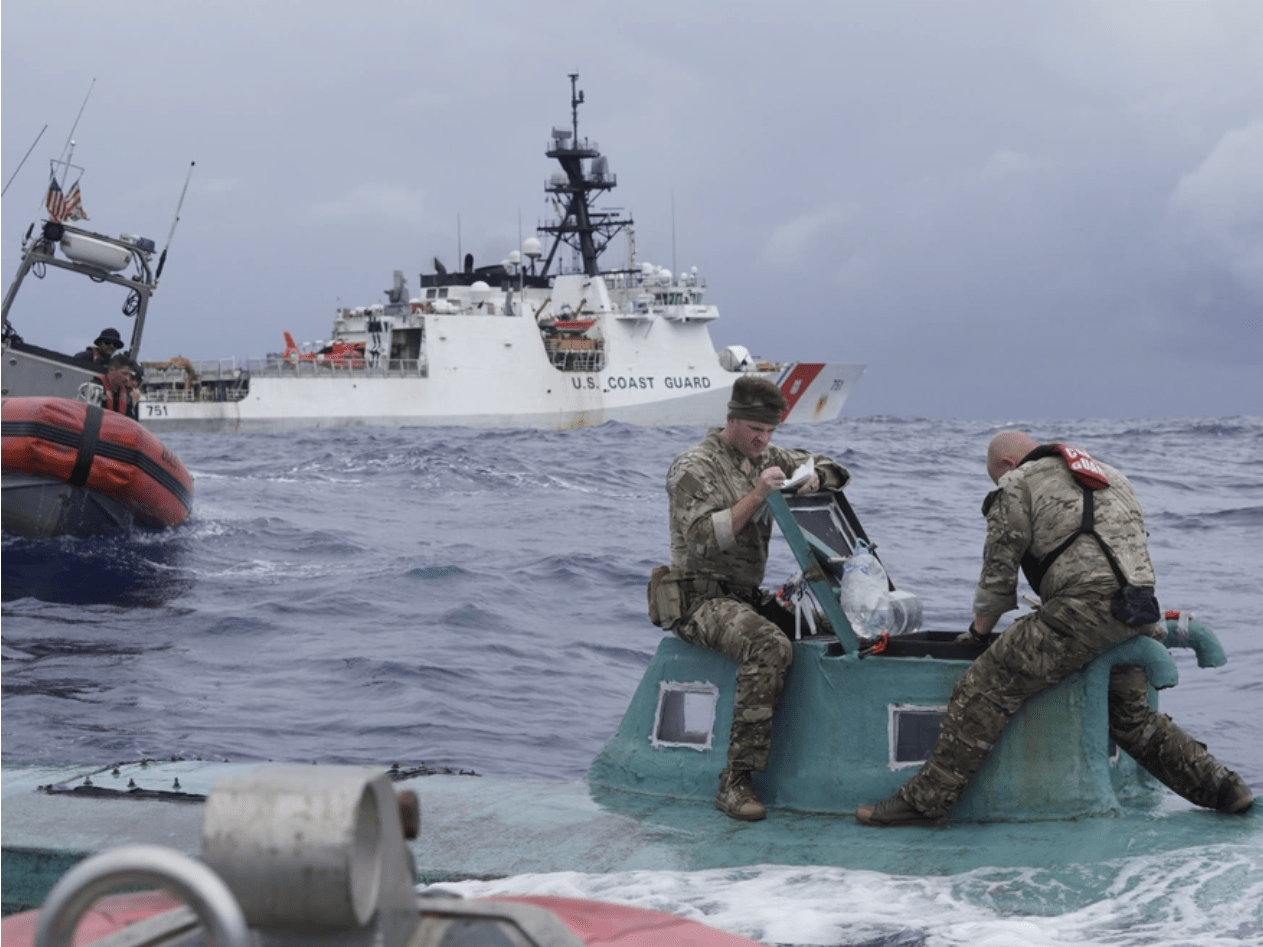
Central America has also become a critical battleground in this conflict, serving as a key transit point for drugs moving northward. Weak governance, corruption, and economic instability in countries like Guatemala, Honduras, and El Salvador have allowed cartels to embed themselves deeply within local institutions. These groups exploit porous borders and use sophisticated smuggling techniques—including tunnels, semi-submersible vessels, and even their own fleets of drones—to evade law enforcement. The growing influence of cartels in these regions has led to soaring levels of violence, with entire communities caught in the crossfire between rival factions and government forces.
Meanwhile, the response from the United States has been increasingly militarized. The deployment of special operations units and the expansion of CIA-led drone surveillance flights reflect a shift toward high-tech counter-narcotics strategies. The use of drones allows intelligence agencies to track cartel movements, locate hidden drug labs, and identify trafficking routes with greater precision. However, these efforts have also raised concerns about sovereignty, particularly in Mexico, where government officials have expressed unease over foreign intelligence operations on their soil. As both cartels and law enforcement escalate their tactics, the battle over drugs, guns, and human smuggling continues to shape the security landscape of the Western Hemisphere.
Chapter 2: The Major Players—Cartels Dominating Central America and Mexico
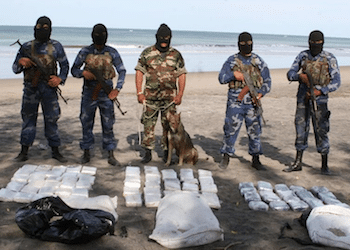
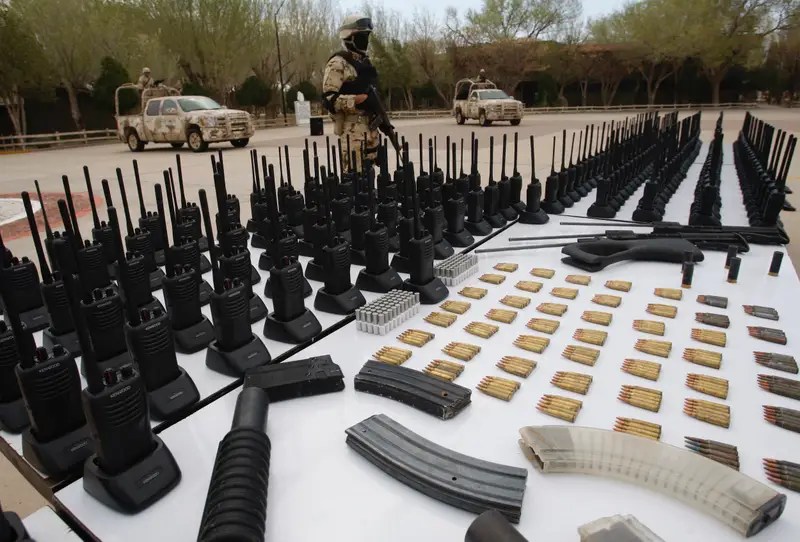
The modern drug trade is controlled by a handful of powerful organizations that operate with near-military precision. While many smaller groups exist, a few dominant cartels shape the landscape of organized crime in Mexico and Central America. These organizations engage in a wide range of illicit activities, from drug and arms trafficking to extortion, human smuggling, and even cybercrime. Their influence extends beyond their immediate territories, with networks that reach deep into the United States, Europe, and Asia. Understanding their structure, tactics, and rivalries is essential to grasping the complexity of the ongoing conflict.
At the forefront is the Sinaloa Cartel, historically the most powerful drug syndicate in Mexico. Once led by the infamous Joaquín “El Chapo” Guzmán, the organization has maintained its dominance even after his capture and extradition to the U.S. The cartel is known for its strategic approach, preferring bribery over outright violence and maintaining strong ties with corrupt government officials. However, its main rival, the Jalisco New Generation Cartel (CJNG), has risen rapidly, using extreme violence and a highly disciplined structure to expand its influence. Led by Nemesio Oseguera Cervantes, or “El Mencho,” CJNG has gained notoriety for its paramilitary operations, advanced weaponry, and willingness to confront both law enforcement and rival cartels head-on.
Other major players include the Los Zetas, a cartel originally founded by former elite military operatives who defected from Mexico’s army. Unlike traditional cartels that focus on drug trafficking, Los Zetas became infamous for their brutal enforcement tactics, extortion rings, and control over migrant smuggling routes. The Gulf Cartel, one of Mexico’s oldest criminal organizations, remains active despite years of internal strife and government pressure. Meanwhile, Central America has seen an increasing presence of these cartels, as weak state institutions and corruption provide fertile ground for expansion. Guatemala and Honduras have become crucial transit hubs, while criminal groups in El Salvador have forged alliances with Mexican cartels to facilitate drug and human smuggling. As competition intensifies and alliances shift, these organizations continue to evolve, adapting to law enforcement tactics while exploiting global markets for their illicit enterprises.

Top
Drug
Cartels
in Mexico
and Latin America
Clan del Golfo (Colombia) – The dominant criminal organization in Colombia, engaged in large-scale cocaine production and international smuggling operations.
Sinaloa Cartel (Mexico) – One of the most powerful and expansive drug trafficking organizations, known for its global reach and sophisticated smuggling networks.
Jalisco New Generation Cartel (CJNG) (Mexico) – A rapidly growing and highly violent cartel, led by “El Mencho,” specializing in synthetic drugs and armed confrontations.
Los Zetas (Mexico) – Originally formed by ex-military operatives, infamous for extreme brutality, extortion, and human trafficking operations.
Gulf Cartel (Mexico) – One of the oldest cartels in Mexico, controlling key drug routes in northeastern Mexico, but weakened by internal conflicts.
Beltrán-Leyva Organization (Mexico) – A splinter group from the Sinaloa Cartel, known for high-profile assassinations and deep corruption ties within the government.
Cartel del Noreste (Mexico) – A violent offshoot of Los Zetas, operating in northeastern Mexico with a stronghold in Nuevo Laredo and a focus on human trafficking.
Familia Michoacana (Mexico) – Originally a religiously influenced cartel, now deeply involved in methamphetamine production and extortion.
Primeiro Comando da Capital (PCC) (Brazil) – The largest criminal organization in Brazil, controlling drug trafficking and prison riots across the country.
Comando Vermelho (Brazil) – A major drug cartel operating from the favelas of Rio de Janeiro, involved in narcotics, arms smuggling, and organized crime.
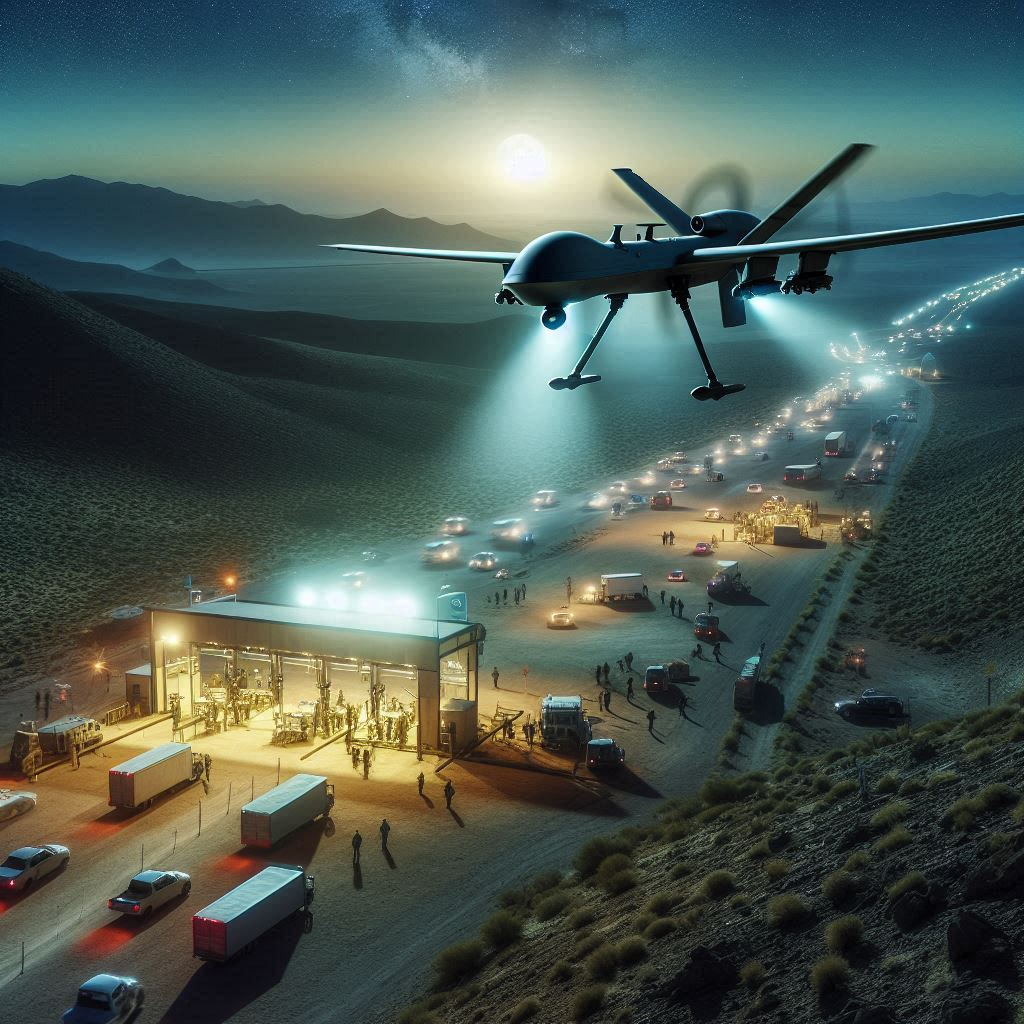

Chapter 3: Eyes in the Sky—The Role of CIA Drone Surveillance
In the escalating fight against drug cartels, the United States has turned to unmanned aerial surveillance as a critical tool for intelligence gathering and targeting operations. CIA-operated drone flights have quietly expanded over Mexico, providing a bird’s-eye view of cartel movements, drug labs, and smuggling routes. These high-altitude, long-endurance surveillance platforms—primarily MQ-9 Reaper drones—allow U.S. intelligence agencies to track cartel leaders, monitor trafficking corridors, and assist in high-value arrests. While these operations remain classified, recent reports indicate they have played a direct role in the capture of key figures within the Sinaloa and Jalisco New Generation Cartels.
The effectiveness of drone surveillance lies in its ability to provide real-time intelligence without the immediate risks associated with on-the-ground operations. Drones equipped with infrared sensors and high-resolution cameras can track cartel activities even in remote areas, such as jungle pathways and mountainous drug production sites. The data collected is shared with Mexican security forces and U.S. law enforcement agencies, aiding in joint operations to dismantle smuggling networks. However, the growing reliance on aerial surveillance has sparked concerns over sovereignty. While some Mexican officials acknowledge the value of these intelligence efforts, others argue that U.S. drone operations violate national airspace and undermine Mexico’s authority over its own security policies.
Beyond legal and diplomatic concerns, the impact of drone surveillance on cartel operations is mixed. While drones have helped disrupt trafficking routes and led to the seizure of large drug shipments, cartels have adapted by shifting to decentralized networks and using counter-surveillance techniques. In some cases, criminal organizations have even deployed their own small drones to monitor law enforcement movements and smuggle narcotics across the U.S.-Mexico border. This technological arms race underscores the complexity of modern drug enforcement—where intelligence is key, but sustained victories remain elusive. As U.S. agencies continue to refine their use of drones, the question remains whether high-tech surveillance alone can significantly weaken cartel operations or if broader strategies are needed to address the root causes of organized crime.
Chapter 4: Boots on the Ground—The Surge of Special Forces at the Border
As drug cartels escalate their operations, the United States has responded with an increased military presence along the southern border. Special operations forces, including elite units from the Army, Navy, and Marine Corps, have been deployed in growing numbers to counter drug trafficking, human smuggling, and illegal immigration. While these forces do not engage directly in combat with cartels, their mission includes intelligence gathering, surveillance, and training for border enforcement agencies. This shift represents a more aggressive approach to border security, as policymakers push for a greater military role in counter-narcotics operations.
The deployment of special forces is part of a broader effort to disrupt cartel logistics. These units work alongside Customs and Border Protection (CBP) and the Drug Enforcement Administration (DEA), using advanced surveillance technology, reconnaissance missions, and strategic interdictions to block smuggling corridors. Some reports suggest that U.S. military personnel have also been embedded in advisory roles with Mexican security forces, providing tactical expertise in operations against high-value cartel targets. This cooperation, however, has drawn criticism, with some arguing that it risks escalating violence by provoking cartel retaliation or deepening corruption within Mexican law enforcement.
Despite these efforts, the militarization of the border has sparked heated debate. Critics argue that relying on special forces and high-tech enforcement measures does little to address the underlying issues fueling cartel power, such as economic desperation and weak governance in Latin America. Additionally, the presence of military personnel near civilian populations raises human rights concerns, particularly when aggressive interdictions impact migrants fleeing violence. As the U.S. continues to increase border security operations, the challenge remains: can military tactics successfully contain cartel activity, or is a more comprehensive strategy—one that includes economic aid, legal reform, and intelligence-driven law enforcement—needed to break the cycle of organized crime?

Cartel Technology
Cartels continually innovate their tactics, adapting to law enforcement efforts with high-tech solutions that make interdiction increasingly difficult. Their use of advanced smuggling and communication technologies demonstrates the evolving nature of transnational organized crime.
| Technology | Description |
| Narco-Submarines | Cartels use semi-submersible and fully submersible vessels to smuggle large drug shipments across oceans. These stealthy submarines are designed to evade radar detection and can carry tons of cocaine at a time. |
| Tunnels | Sophisticated underground tunnels, often equipped with ventilation and lighting, are used to smuggle drugs, weapons, and even people under the U.S.-Mexico border. Some tunnels are so advanced they feature rail systems for faster transportation. |
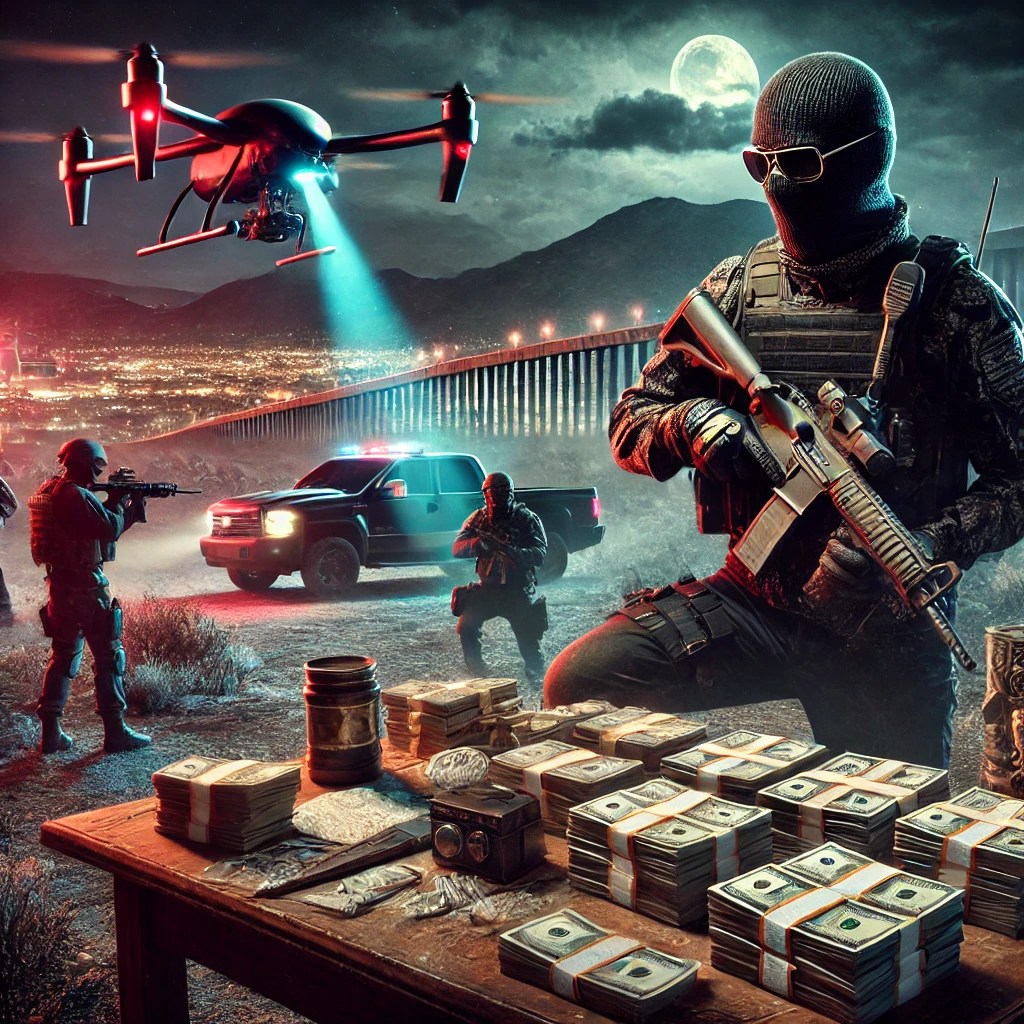
| Drone Drug Deliveries | Cartels use consumer and modified military-style drones to transport drugs across the border, evading law enforcement. These drones can carry small but valuable shipments like fentanyl and heroin, making them difficult to detect. |
| Cell Tower Parasites | Cartels install rogue antennas on legitimate cell towers to create encrypted communication networks. These networks allow cartel members to communicate securely, bypassing government surveillance efforts. |
| Narco Drones for Surveillance | Cartels use drones to monitor law enforcement movements, track rival groups, and plan drug shipments. Equipped with cameras and night vision, these drones provide real-time intelligence to cartel operatives. |
| Counter-Surveillance Technology | Cartels use encrypted messaging apps, radio jammers, and frequency-hopping devices to avoid detection by law enforcement. They also deploy electronic warfare tactics, such as disrupting police radio signals during operations. |
| Fast Boats (Go-Fast Vessels) | These high-speed boats are used to transport drugs across maritime routes, especially from South America to Central America and Mexico. Their speed and maneuverability make them difficult for authorities to intercept. |
| Cloned Vehicles | Cartels use counterfeit police, military, and commercial delivery vehicles to smuggle drugs and weapons. These vehicles are designed to blend into legitimate traffic, reducing suspicion at checkpoints. |
| Cryptocurrency Laundering | Drug cartels use Bitcoin and other cryptocurrencies to launder drug money and make anonymous transactions. Blockchain technology helps them avoid traditional banking oversight and regulatory scrutiny. |
| 3D-Printed Weapons & Parts | Some cartels manufacture untraceable “ghost guns” using 3D printers, bypassing firearm regulations. These weapons are assembled with printed parts and smuggled into restricted areas with ease. |
Chapter 6: Policy Responses and Future Directions
Governments on both sides of the U.S.-Mexico border have struggled to develop effective policies to combat the growing power of drug cartels. The United States has traditionally relied on a combination of law enforcement crackdowns, military interventions, and intelligence operations to disrupt cartel activities. In recent years, however, there has been a push to expand these efforts beyond interdiction and direct confrontation. New policies include economic sanctions against cartel-affiliated businesses, extraditions of high-profile cartel leaders, and closer cooperation with international allies. Additionally, the designation of certain cartels as Foreign Terrorist Organizations (FTOs) has been debated, which would allow the U.S. to apply counterterrorism measures such as freezing assets and expanding the use of military force.

Mexico, meanwhile, has pursued a mix of strategies, often shaped by shifting political priorities. Some administrations have taken a hardline approach, deploying the military to confront cartels directly. Others have sought negotiation and de-escalation, focusing on social programs and economic reforms to reduce cartel recruitment. However, corruption within law enforcement and the judiciary remains a persistent obstacle, undermining efforts to dismantle cartel networks. Many experts argue that without significant judicial and police reforms, military deployments and foreign intelligence operations will only yield temporary successes.
Looking ahead, policymakers face critical choices. Some advocate for drug policy reform, including the decriminalization or regulation of certain narcotics, as a way to undermine the black market and reduce cartel profits. Others emphasize enhanced border security, tougher sentencing for traffickers, and increased cooperation with Mexico and Central American governments to target the financial infrastructure of cartels. As these strategies evolve, the effectiveness of current and future counter-narcotics efforts will depend on whether they address not just the symptoms of the drug trade but its deeper economic and social roots.
Key Takeaways
- Cartels have evolved into transnational criminal enterprises, using advanced technology, corruption, and brutal enforcement tactics to maintain power.
- The U.S. has increased its use of drones and special forces to monitor and disrupt cartel operations, but these measures have raised concerns over sovereignty and effectiveness.
- The militarization of the border and counter-narcotics efforts has led to tactical successes but has not addressed the systemic factors fueling the drug trade.
- Policy debates continue over the best approach, with some advocating tougher enforcement and others pushing for decriminalization and economic development as long-term solutions.
Conclusion
The battle against drug cartels has become a high-tech, militarized conflict with no easy solutions. While drone surveillance, special forces deployments, and intelligence-sharing efforts have disrupted cartel operations, these measures have done little to curb the broader flow of narcotics into the United States. Cartels have proven highly adaptable, finding new smuggling routes, leveraging corruption, and using emerging technologies to evade law enforcement. Without addressing the economic and social conditions that drive the drug trade, the cycle of violence and trafficking is likely to continue.
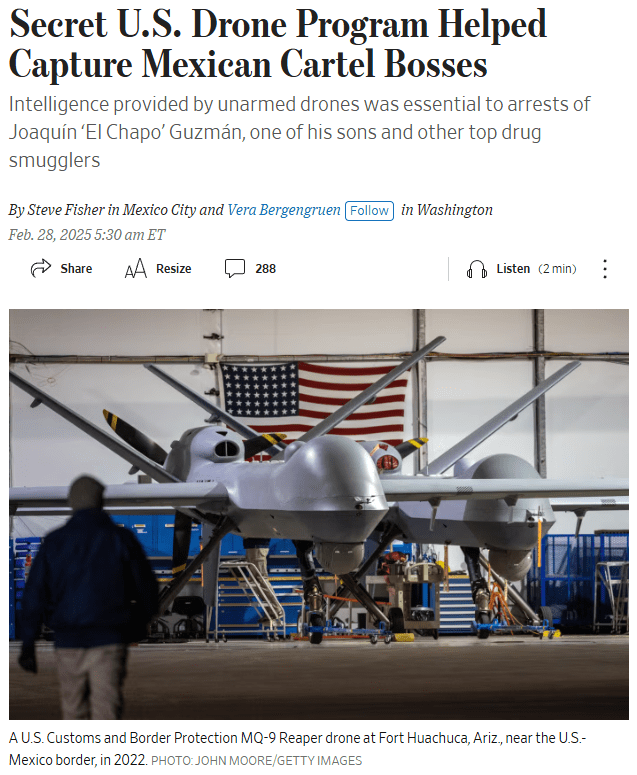
The reliance on military force and surveillance raises critical ethical and diplomatic questions. U.S. drone operations in Mexican airspace, the presence of special forces near the border, and the potential designation of cartels as terrorist organizations all risk further straining relations between the two nations.
While security measures are necessary to counter organized crime, they must be balanced with efforts to strengthen institutions, improve governance, and foster international cooperation. A purely enforcement-driven approach, without deeper reforms, is unlikely to produce lasting change.
Ultimately, defeating the cartels requires more than just firepower—it demands a comprehensive strategy that combines intelligence, diplomacy, economic development, and legal reform.
Without addressing the demand for narcotics, the deep-rooted corruption within governments, and the socioeconomic vulnerabilities exploited by criminal organizations, any victory will remain temporary. The fight against the cartels is not just about drugs, guns, and drones; it is about reshaping the conditions that allow these organizations to thrive.
Additional Information

Acknowledgements and Image Credits
{1} U.S. Coast Guard Cutter Munro crew members inspect a self-propelled semi-submersible (U.S. Coast Guard)
{2} The U.S. Coast Guard supervises the intentional sinking of suspected drug-smuggling boats on (U.S. Coast Guard)
















 pwkinternational.com
Pingback: Are You A Terrorist? |