
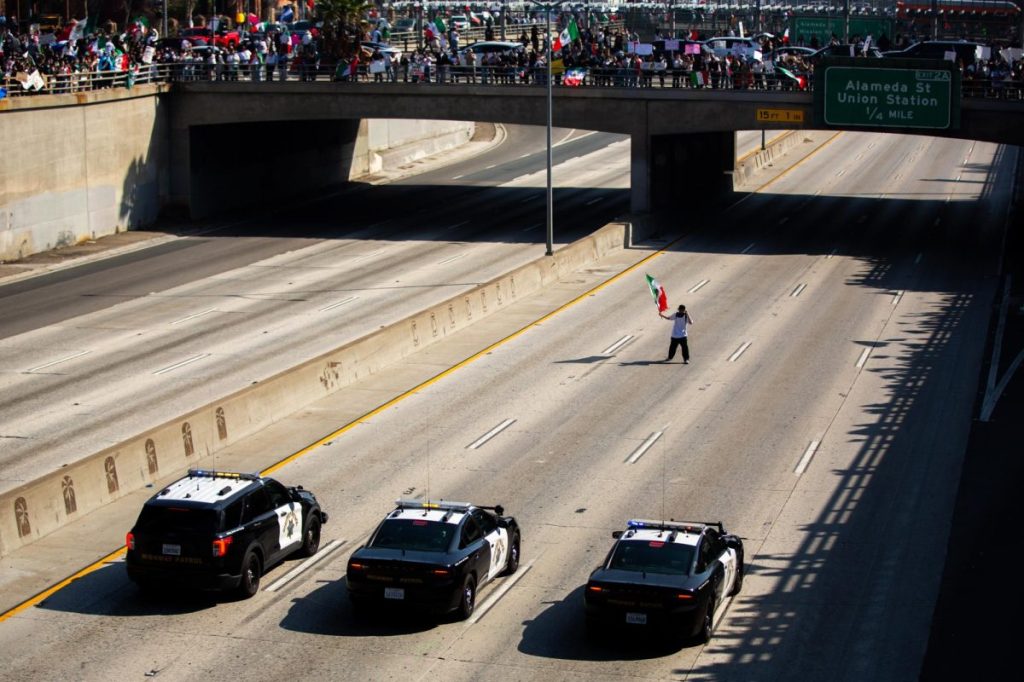
How can you know for sure? In a climate where the term “terrorist” is increasingly wielded as a political weapon, the question “are you a terrorist” reverberates with unsettling urgency. This article dissects the labyrinth of legal definitions, examining how everyday support—often rendered innocuous—might be interpreted as a criminal act under current statutes. The stark language of 18 U.S.C. §§ 2339A and 2339B looms large, as ordinary actions may be construed as “material support” for terrorism.
This report aims to inform readers by unpacking the evolution of terrorism legislation from its origins in the 1990s to its modern-day application. Through a careful analysis of legal terminology, judicial interpretations, and recent controversial designations—from cartels to politically charged activist groups—the article invites readers to navigate the murky intersection of law, politics, and civil liberties.
As we peel back the layers of legal jargon and statutory ambiguities, this discussion reveals a sobering reality: the boundary between radicalism and legitimate dissent has never been more grey. We explore how seemingly benign acts, when viewed through the lens of “material support,” can have life-altering consequences, potentially branding individuals as terrorists for actions that may have been misunderstood or misrepresented.
By exposing these complexities, we set the stage for a deeper investigation into how governmental overreach and politicized definitions of terrorism can threaten democratic principles. The ensuing analysis clarifies what constitutes support for terrorism according to US laws.

Journalist
Activist
Immigrant
or Arsonist . . .
Which one are you?

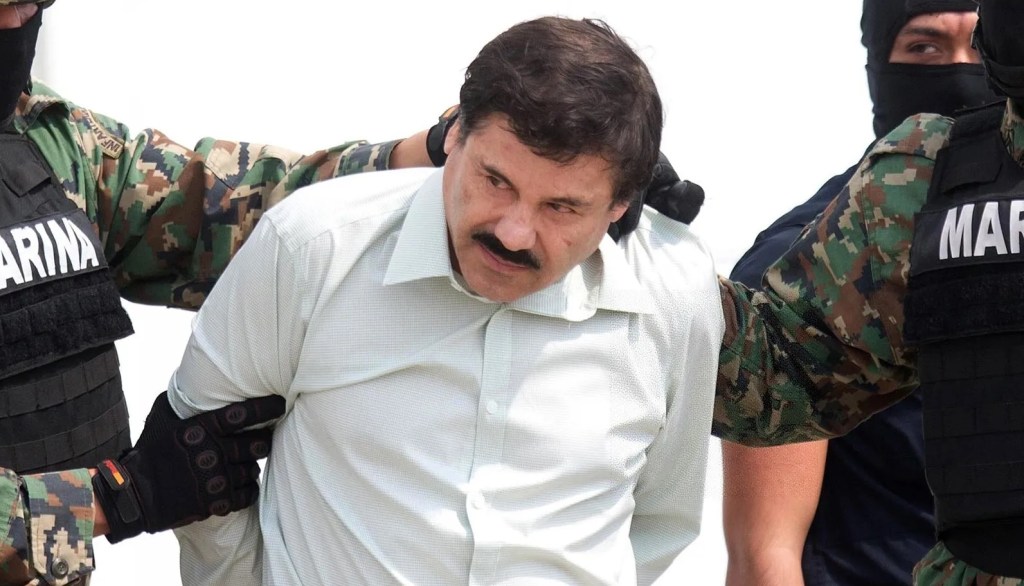
The Sinaloa Cartel, one of Mexico’s most notorious drug trafficking organizations, has increasingly been linked to networks that support violent extremism. Recent reports indicate that their financial and logistical operations are blurring the line between organized crime and terrorist-support activities.
The Jalisco New Generation Cartel is similarly under scrutiny, with evidence suggesting its operations extend into areas that may qualify as material support for terrorism. Their involvement in arms trafficking and community influence campaigns raises complex legal and ethical questions.

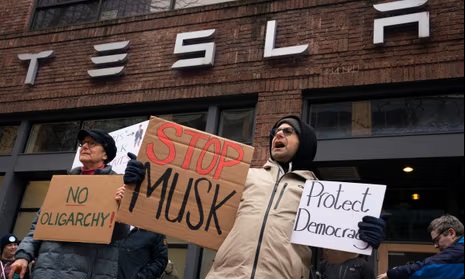
Anti-Elon Musk activist groups have emerged as a modern example of borderline support, where dissent against powerful tech figures results in inciting extremist sentiment including firebombing and vandalism. These groups leverage social media to mobilize and amplify their violent narratives, which some observers argue skirts the boundaries of what could be construed as material support for political violence.
Certain religious extremist groups, under the guise of defending faith, have promoted persecution against minority communities in ways that cross into the realm of inciting hate and violence. Their rhetoric and actions challenge the balance between free religious expression and unlawful support for extremist causes.
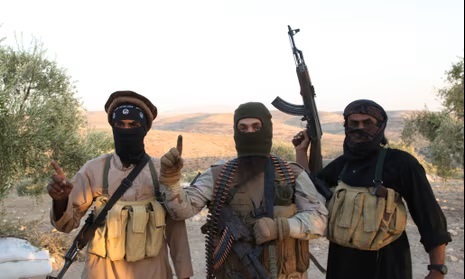

Anti-Semitic hate groups are increasingly active in disseminating divisive propaganda and organizing events that incite violence against Jewish communities. Their activities, which sometimes involve direct material aid to violent actions, place them at the controversial intersection of hate speech and potential terrorist support.
Radical environmental activists have occasionally taken extreme measures that border on eco-terrorism, engaging in acts of sabotage and property destruction. Although framed as a fight to save the planet, their support networks and tactics raise concerns about crossing the threshold into illegal, extremist behavior.


Anti-government militia movements in the United States have demonstrated a willingness to challenge state authority through armed resistance and extremist rhetoric. Their activities, often couched in the language of patriotism, risk being interpreted as providing material support for terrorism under broadly defined statutes.
Militant nationalist organizations, driven by a fervor for sovereignty and cultural preservation, have been linked to violent clashes at borders and in domestic settings. Their organized support for local conflicts sometimes mirrors the operational methods used by recognized terrorist groups, raising legal and security challenges.
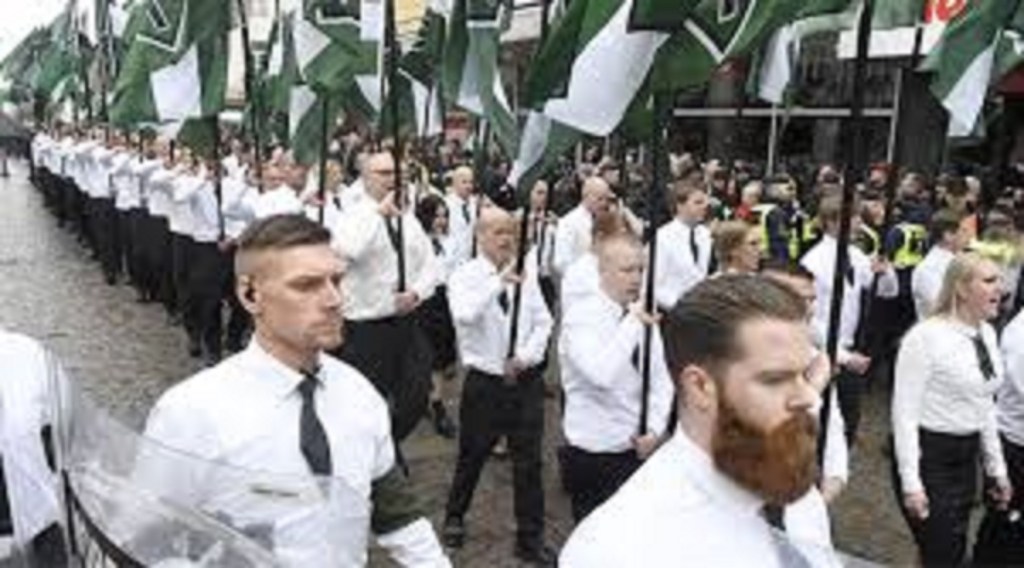

Cyber-terrorist networks have leveraged digital platforms to distribute extremist ideologies and coordinate unlawful activities. By providing resources such as training, encrypted communication channels, and propaganda, these groups offer a form of material support that fuels real-world violence.
Paramilitary groups in Latin America operate in a shadowy realm where criminal enterprises and terrorist activities intersect. Their clandestine operations, which include both physical violence and financial support for illegal activities, highlight the difficulties in drawing clear legal lines between criminality and terror.


Foreign financing and radicalization networks operate across international borders, funneling funds, weapons and resources to groups with extremist agendas. These networks often provide the critical support needed for radical activities while maintaining a level of plausible deniability, making them particularly challenging to regulate.
Extremist political activist circles in various regions have been accused of inciting violence under the banner of protest and political change. Their actions, though sometimes framed as legitimate dissent, can verge on providing material support for anti-democratic and violent activities, thereby complicating the discourse on terrorism.
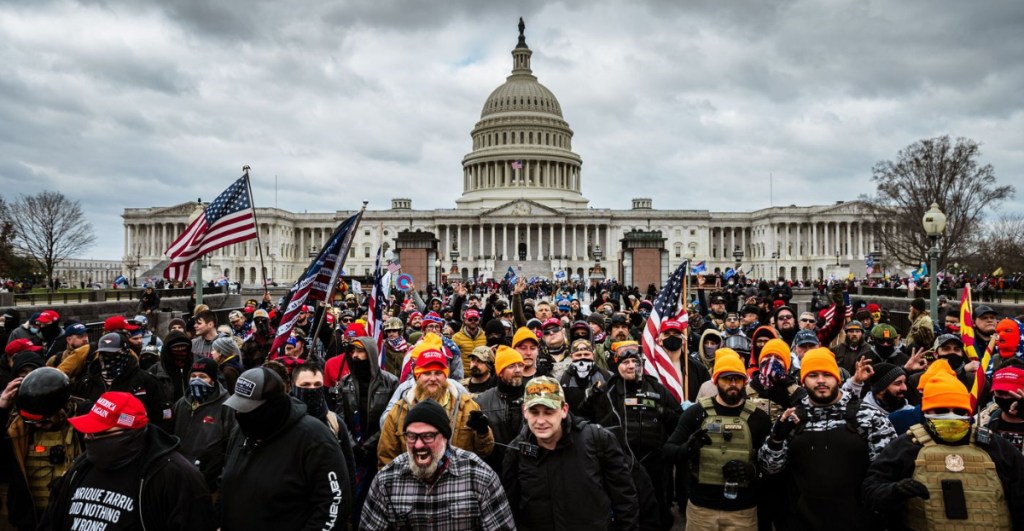
The Anatomy of Terrorism Legislation: Redefining Material Support
The fight against terrorism in America hinges on two pivotal statutes—18 U.S.C. §§ 2339A and 2339B—which have redefined the very notion of “support” in a legal context. These laws were born in the mid-1990s as part of a sweeping effort to bolster national security, yet they have evolved into instruments with a reach that extends well beyond the battlefield. At their core, these provisions criminalize the act of providing “material support” to terrorist activities or designated terrorist organizations—a term that now encompasses everything from financial transactions and training to the provision of communication equipment and even expert advice or tradecraft.
In practical terms, the statutes cast a wide net, meaning that even well-intentioned actions or benign associations can be scrutinized under their provisions. The word “support” is not confined to the direct funding or arming of militants; it also covers a host of seemingly ordinary activities if they can be tied to the facilitation of terrorist acts. Courts have grappled with the ordinary meaning of such terms, and the language used is deliberately broad to capture the dynamic and covert nature of modern terrorism. This legal framework leaves little room for ambiguity—a dangerous prospect for anyone whose actions, however innocent, might be misconstrued.
As you delve deeper into this report, it becomes evident that the current approach to terrorism legislation blurs the lines between genuine threats and everyday conduct. The expansive definitions not only target overt acts of violence but also risk ensnaring those who provide inadvertent or indirect assistance. This reality raises a critical question: in a legal landscape where the boundaries of “support” are so fluid, could any of us unwittingly find ourselves labeled a terrorist? The stakes are high, and understanding this framework is essential for anyone seeking to navigate or challenge the current interpretation of what it means to support terrorism.

Drugs
Guns
and
Felony
Convictions
Are you
Armed
and
Violent?
What the law says about “prohibited individuals”
Section 922(g) of the United States Criminal Code outlaws the possession of firearms by felons, fugitives, and various other categories of prohibited individuals. The Armed Career Criminal Act (ACCA), quoted above, visits a 15-year mandatory minimum term of imprisonment upon anyone who violates § 922(g), having been convicted three times previously of a violent felony or serious drug offense. The ACCA’s provisions are most often triggered by felons, with three qualifying prior convictions, found in possession of a firearm.
In 2009, Congress directed the U.S. Sentencing Commission (the Commission) to report on the impact on the federal criminal justice system of mandatory minimum sentencing provisions like ACCA’s § 924(e). As part of its study, the Commission solicited the views of federal trial judges. Almost 60% of those responding to a Commission survey indicated that they considered § 924(e) mandatory minimum sentences appropriate. In 2021, the Commission reported a reduction in the already infrequent number of convictions under the ACCA, which it suggested may have been attributable to ACCA-generated litigation “regarding which convictions under federal and state statutes qualify under the Act.

Chart depicts time scale compression due to advancements in computer automation of advanced kill chains like Maven and CJADC2. Source: PWK International Advisers.
Weaponizing the Law: When Political Agendas Blur the Lines
In today’s charged political landscape, the rigid lines once drawn between lawful dissent and criminal activity have faded into a murky gray. The statutes not only serve as legal tools but have evolved into instruments for political maneuvering, where the designation of “terrorist” is wielded to suppress voices and stifle opposition. This political overreach transforms legal theory into a weaponized reality, making it increasingly difficult for citizens to discern between genuine threats and the mere exercise of free speech.
Recent applications of these laws reveal a troubling trend: organizations and individuals—from organized religious groups to fervent activists challenging the status quo—are finding themselves ensnared by definitions meant for clear-cut cases of violent extremism. When political agendas blur the objective of national security, the very mechanisms designed to protect society can be repurposed to target dissent and punish those who dare question prevailing narratives. The implications are profound, with legal actions often mirroring political interests rather than addressing true threats.
As we peel back the layers of these legislative strategies, it becomes clear that the convergence of law and politics poses a critical risk to our civil liberties. The broad and sometimes vague language of terrorism statutes allows for interpretations that can, intentionally or not, marginalize voices of opposition. In such an environment, every political protest or unconventional idea might inadvertently be framed as dangerous, forcing us to question whether we are truly safeguarding national security—or undermining our democratic principles.


The Many Faces of Support: Navigating Intent and Association
At the heart of these contentious debates lies the concept of “material support,” a term that has evolved to capture a vast array of activities and services. Originally intended to target clear acts of aiding terrorism, its definition has been stretched to include everything from financial assistance to the provision of expert advice. This expansion means that actions once considered mundane or supportive of general well-being can now be scrutinized as potential contributions to terrorist efforts, making the threshold for criminal liability perilously low.
The question of intent—specifically, whether one “knowingly” provides support—complicates matters further. Courts have wrestled with determining whether an individual’s actions, taken out of context or without malicious intent, should be construed as willful support of terrorism. The challenge lies in balancing the need to thwart genuine threats with the imperative to protect innocent actions that are part of everyday life. As legal interpretations continue to evolve, the fine line between intentional aid and inadvertent association becomes an ever-more contentious battleground.
This expanded definition of material support raises serious concerns about the potential for overreach. As the legal framework extends its reach, everyday interactions—from volunteering for a community group to sharing a controversial opinion online—could be reinterpreted as indirect endorsement of terrorism. The stakes are enormous: a misinterpretation in this realm could transform a benign act into a criminal charge, fundamentally altering the landscape of civic engagement and personal responsibility in our society.


Silencing Dissent: The Chilling Impact on Civil Liberties
When the state wields terrorism statutes as a blunt instrument, the consequences for civil liberties are immediate and profound. The chilling effect on free speech is palpable—every protest, dissenting opinion, or unconventional action is now scrutinized under the microscope of “material support.” As the law’s language stretches to cover everyday expressions of political engagement, ordinary citizens are forced to question if their actions might inadvertently signal complicity in a broader narrative of terror.
This pervasive climate of fear undermines the very foundations of democratic discourse. The right to assemble, debate, and challenge authority becomes fraught with legal peril, as ambiguous definitions of “support” threaten to criminalize peaceful activism and civic participation. The courts, grappling with the balance between national security and individual freedom, often leave little room for the nuances of context and intent—further eroding the protections that should shield dissent from governmental overreach.
In this environment, due process is not just a legal formality—it is a battleground for preserving the freedoms that define our society. The expansive reach of terrorism laws, coupled with enhanced pre-trial detention and severe sentencing guidelines, has the potential to silence critical voices before they even speak out. As the specter of prosecution looms large over every act of civil disobedience, the very essence of what it means to be a free citizen is called into question.

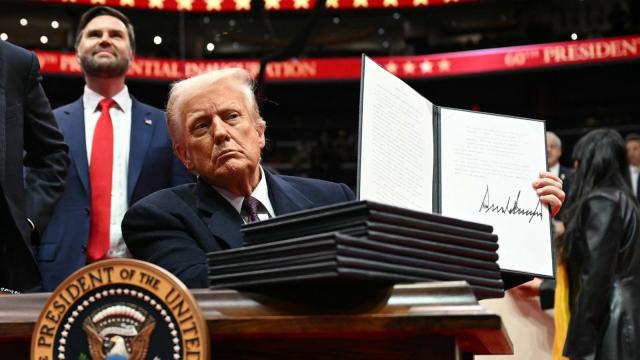
Politics and Peril: The Manipulation of Terrorism Labels
The intersection of politics and terrorism has become a theater where legal definitions and political agendas converge, often with alarming consequences. In recent years, the label of “terrorist” has transcended its original intent, morphing into a tool for political control and suppression. This politicization is evident in the way state authorities designate not only violent extremists but also politically charged groups—ranging from notorious cartels to vocal anti-establishment activists—as threats to national security.
At its core, this convergence is a reflection of the power dynamics that shape modern governance. When terrorism laws are applied selectively, they serve to entrench the status quo by discrediting and criminalizing dissent. The judiciary, intended as a bulwark against such abuses, finds itself under intense pressure to balance the imperatives of security with the sacrosanct rights of political expression. The result is a legal landscape where political motives can blur the line between genuine threats and mere challenges to authority.
Ultimately, the political manipulation of terrorism statutes poses a stark warning: the erosion of our democratic institutions may be as stealthy and destructive as any act of violence. As legal boundaries are redrawn to accommodate shifting power structures, the risk of stifling legitimate political discourse grows ever more acute. This chapter invites readers to critically assess whether the use of terrorism as a political weapon is truly in the interest of national security, or if it is a dangerous strategy that compromises the very freedoms it claims to protect.

Charting a Path Forward: Rebalancing Security and Freedom
The time has come to reexamine and recalibrate the balance between national security and individual liberty. As the legal framework surrounding terrorism continues to evolve, so too must our understanding of what truly constitutes a threat. Reform advocates and legal scholars alike argue for a redefinition of “material support” that can clearly distinguish between intentional aid to terror and benign, everyday support. In this chapter, we explore practical pathways for legislative and judicial reform that could prevent the overreach of terrorism statutes and protect democratic freedoms.
Central to these proposals is the need for transparency and accountability. Legal reform must start with precise, narrowly tailored definitions that limit the possibility of prosecuting ordinary citizens for acts that fall within the realm of lawful dissent. Enhanced judicial oversight, coupled with a commitment to safeguarding due process, can help ensure that terrorism laws are applied only in cases where genuine threats exist. By reining in the expansive language of current statutes, policymakers can restore the trust that is essential for a vibrant democracy.
Looking ahead, the dialogue on terrorism legislation must be inclusive, engaging not only lawmakers and legal experts but also the public whose rights hang in the balance. Empowered citizens and informed communities are crucial in holding the state accountable and ensuring that national security measures do not morph into tools for political suppression. The path forward lies in crafting policies that defend against terror without undermining the freedoms that define a democratic society.

Top Six Takeaways
• Ambiguity in Language: The terms “material support” and “knowingly” are broadly defined, creating room for misinterpretation and misuse.
• Extraterritorial Reach: U.S. terrorism laws extend beyond domestic borders, complicating international relations and jurisdiction.
• Political Weaponization: Increasingly, groups such as cartels and politically charged activists are being labeled as terrorists, often with justification.
• Civil Liberties at Risk: The expansive application of these statutes threatens free speech, protest rights, and due process.
• Judicial and Legislative Challenges: Courts have upheld these laws while debates persist over their constitutional implications, signaling a need for reform.
• Call for Reforms: There is a growing consensus that clearer definitions and balanced application are essential to protect both security and civil rights.
Conclusion
“Are you a terrorist and how can you know for sure?” is more than a provocative question—it is a challenge to the very framework of our legal and political systems. As we’ve navigated through the intricacies of terrorism statutes, from their broad definitions of “material support” to the alarming consequences of their misuse, it is evident that the current system risks ensnaring not only dangerous extremists but also ordinary citizens whose actions are rooted in civic engagement. This report has aimed to expose the tension between safeguarding national security and preserving the liberties that are the cornerstone of democracy.
In our exploration, we have seen how language, intent, and political context merge to create a legal environment where dissent can be mistaken for complicity. The challenge now is to disentangle these threads—to carve out a legal space that protects against genuine terrorist threats while ensuring that the rights to free speech, protest, and political participation remain inviolate. This critical reassessment calls on lawmakers, judges, and citizens alike to demand clarity, fairness, and accountability in the face of expanding state power.
Ultimately, the provocative inquiry posed by our title invites us to remain vigilant and engaged in the debate over how we define and confront terrorism.
Additional Information

Sources and Image Credits
{1} Are you a terrorist. How can you know for sure. Caption: A man waves the Mexican flag on the 101 Freeway in front of three California Highway Patrol cars during a protest of President Donald Trump’s anti-immigration policies in Los Angeles, Calif., on Sunday, Feb. 2, 2025. Hundreds of protestors joined him after, resulting in a freeway closure. Image Credit: Solomon O. Smith
{2} Drugs, Guns and Felony Convictions. Are you Armed and Violent? Image Credit: PWK International Advisers. 24 March 2025.
{3} A Time Scale History of Kill Chain Automation. Chart depicts time scale compression due to advancements in computer automation of advanced kill chains like Maven and CJADC2. Source: PWK International Advisers.
{4} Terrorist Material Support: A Sketch of 18 U.S.C. § 2339A and § 2339B. Congressional Research Service Report R41334 Charles Doyle Senior Specialist in American Public Law.
{5} Armed Career Criminal Act (18 U.S.C. § 924(e)): An Overview. Congressional Research Service Report R41449. Charles Doyle Senior Specialist in American Public Law.
{6} Drugs, Guns & Drones: An Addicts Guide to Cartels Posted on March 2, 2025 by David Tashji
{7} Forever Wars and the Authorization for use of Military Force Posted on January 10, 2025 by David Tashji
{8} Smart Borders: How Technology is Tracking You Posted on December 9, 2024 by David Tashji
About PWK International Advisers
PWK International provides national security consulting and advisory services to clients including Hedge Funds, Financial Analysts, Investment Bankers, Entrepreneurs, Law Firms, Non-profits, Private Corporations, Technology Startups, Foreign Governments, Embassies & Defense Attaché’s, Humanitarian Aid organizations and more.
Services include telephone consultations, analytics & requirements, technology architectures, acquisition strategies, best practice blue prints and roadmaps, expert witness support, and more.
From cognitive partnerships, cyber security, data visualization and mission systems engineering, we bring insights from our direct experience with the U.S. Government and recommend bold plans that take calculated risks to deliver winning strategies in the national security and intelligence sector. PWK International – Your Mission, Assured.

















 pwkinternational.com