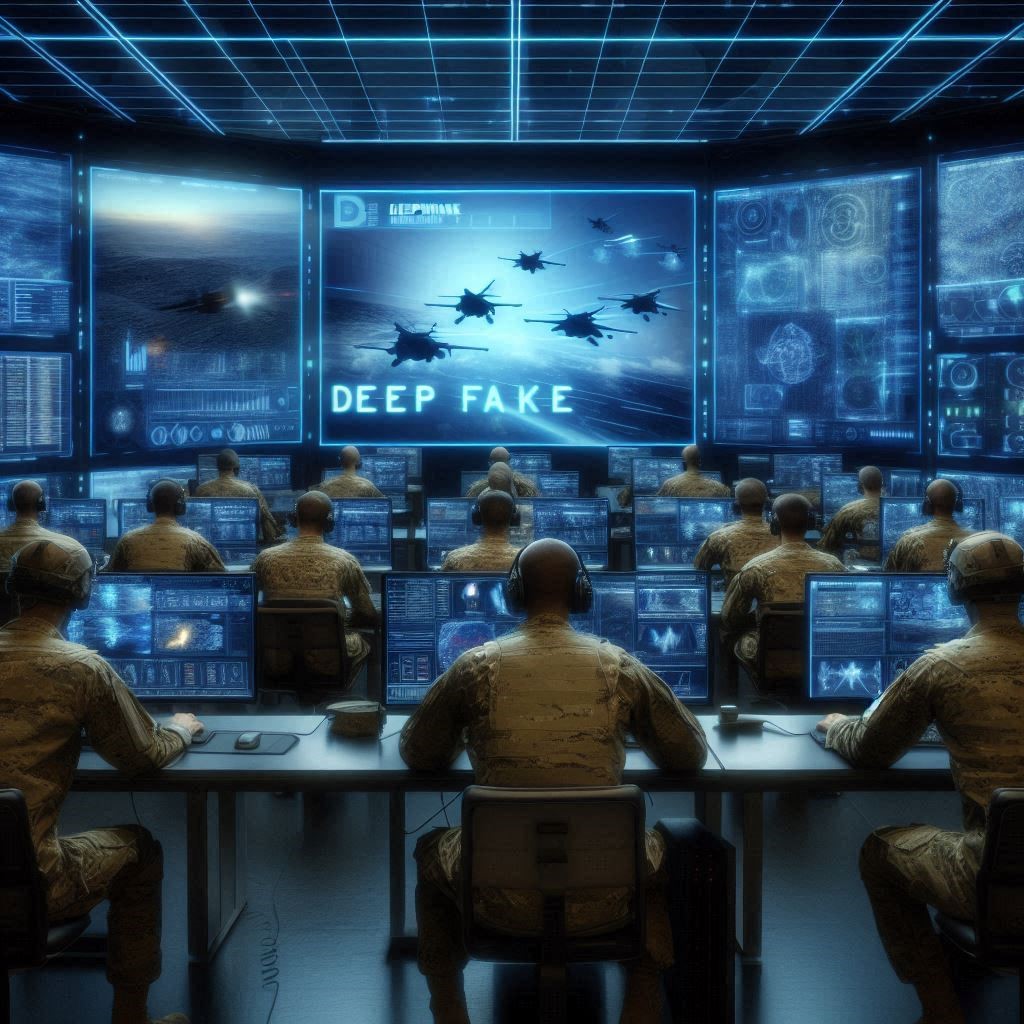
AI-Driven Disinformation in Geopolitics and War. In the digital age, seeing is no longer believing. With the rapid advancement of artificial intelligence, deepfake technology has evolved from an amusing internet novelty into a weapon capable of rewriting reality itself. Governments, corporations, and intelligence agencies are beginning to grapple with an unsettling question: What happens when AI-generated disinformation is indistinguishable from the truth?
The implications of synthetic media are staggering, as the ability to fabricate perfect audio, video, and even entire events erodes the very foundation of trust in our institutions. In a world where deception is automated and infinitely scalable, the potential for chaos is limitless.
This report aims to explore the rise of deepfake technology and its impact on geopolitics, democracy, and global stability. From election interference to battlefield deception, AI-generated disinformation has the power to reshape history. As the line between truth and fabrication vanishes, we must ask: How do we defend against a world where reality itself can be hacked?
The Rise of Synthetic Realities
Deepfakes were once the stuff of science fiction—clever digital tricks used for entertainment and satire. But over the last decade, they have transformed into a powerful tool with serious geopolitical consequences. AI-generated video, audio, and images have reached a level of realism where even experts struggle to distinguish fact from fabrication. With the ability to manipulate speech, facial expressions, and entire events, deepfakes now pose an existential threat to truth itself. This technological revolution is not just a new form of media manipulation—it is the dawn of synthetic realities, where AI-generated content can shape public perception, influence elections, and even incite religious violence and wars.

In a world
where video
evidence can no
longer be trusted,
how do societies
determine what is real?
The power of deepfakes lies in their ability to manufacture credibility. Unlike traditional propaganda, which relies on misleading narratives or selective editing, deepfakes create entirely new realities that appear undeniably real. A well-placed fake video of a world leader making inflammatory remarks can spread across social media in minutes, reaching millions before fact-checkers can intervene. Even if debunked, the damage is often irreversible, as people tend to believe what they first see and distrust later corrections. In an era where information warfare is becoming more sophisticated, deepfakes have become a weaponized form of deception, enabling adversaries to undermine institutions and destabilize governments from within.
Governments and security agencies are scrambling to respond, but the technology is advancing faster than defenses can be built. AI detection tools struggle to keep pace with ever-improving generative models, while legislative efforts lag behind the rapid evolution of synthetic media. Meanwhile, cybercriminals, foreign intelligence services, and political operatives have already begun exploiting deepfakes for financial fraud, blackmail, and political sabotage. The rise of synthetic realities signals a new kind of information warfare—one where perception is the battlefield, and trust is the ultimate casualty.
CAPTION: This one minute video features the authors experiments with early and still primative (circa 2022) artificial neural networks — notably autoencoders and generative adversarial networks (GANs).
The Deepfake Arms Race – Who’s Leading the Charge?
The development of deepfake technology is not happening in isolation—it is an arms race, driven by the competing interests of governments, corporations, and cybercriminals. Intelligence agencies and military organizations are investing heavily in AI-powered deception, seeing deepfakes as a tool for psychological warfare and strategic influence. At the same time, private companies and independent researchers continue to refine generative AI, pushing the boundaries of realism and accessibility. The result is a rapidly evolving battlefield where adversaries compete to weaponize synthetic media faster than defenses can be built.
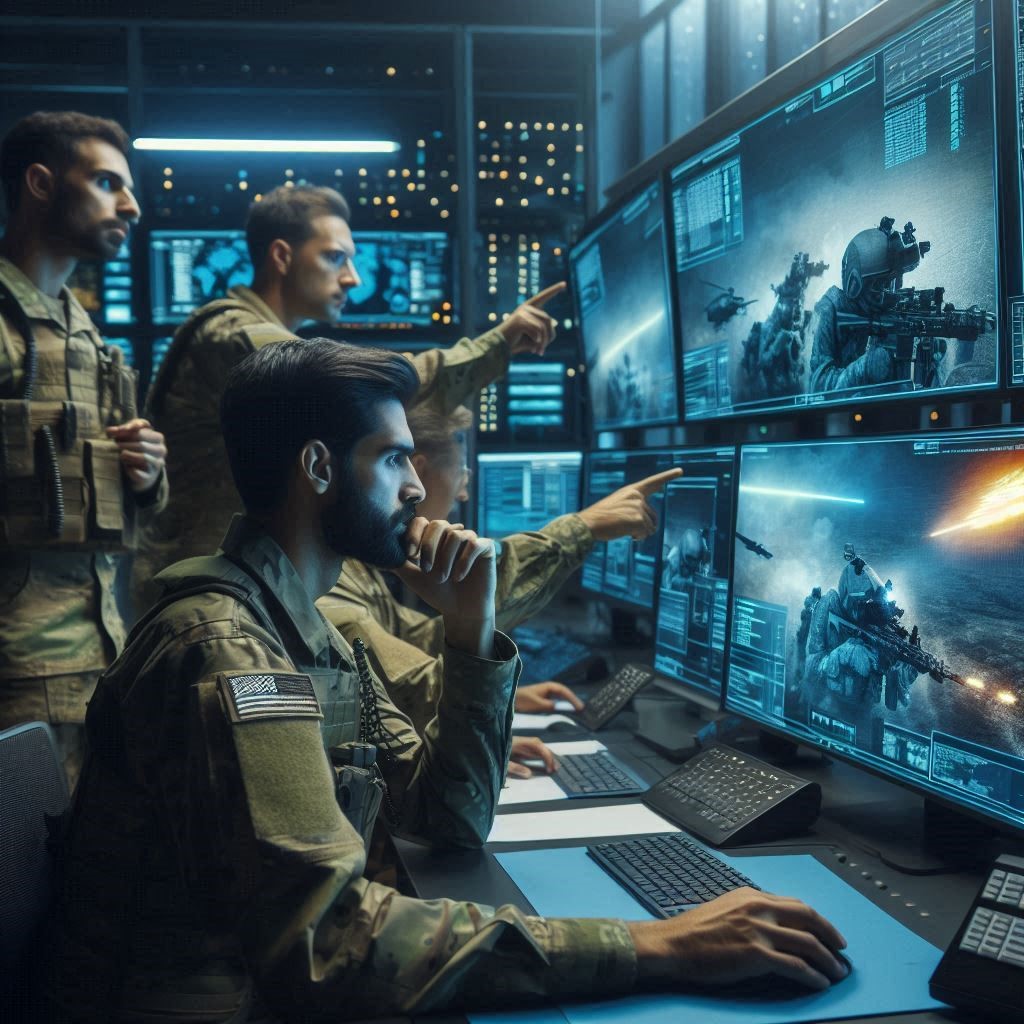
China, Russia, and the United States are at the forefront of this new frontier, each with its own motivations for harnessing deepfake technology. China has deployed AI-generated influencers and propaganda videos to shape global narratives, while Russia has used synthetic voices to impersonate world leaders in disinformation campaigns. In the West, major tech companies and defense contractors are developing countermeasures, but the dual-use nature of deepfake AI—both as a tool for deception and detection—makes regulation difficult. Black-market AI tools are now widely available, allowing rogue actors, terrorist organizations, and even small-time cybercriminals to create convincing deepfake content with minimal expertise.
As this technological race accelerates, the ethical and strategic dilemmas become even more complex. Should governments use deepfakes as part of counterintelligence and covert operations? Can a nation afford to ignore AI-driven disinformation while its adversaries embrace it? The line between offense and defense is blurring, and without international agreements or technological safeguards, the deepfake arms race is poised to become one of the defining conflicts of the digital age. In a world where artificial realities can be manufactured at will, those who control perception will control power itself.
Seeing Isn’t Believing: When AI Creates a World Where Nothing is Real
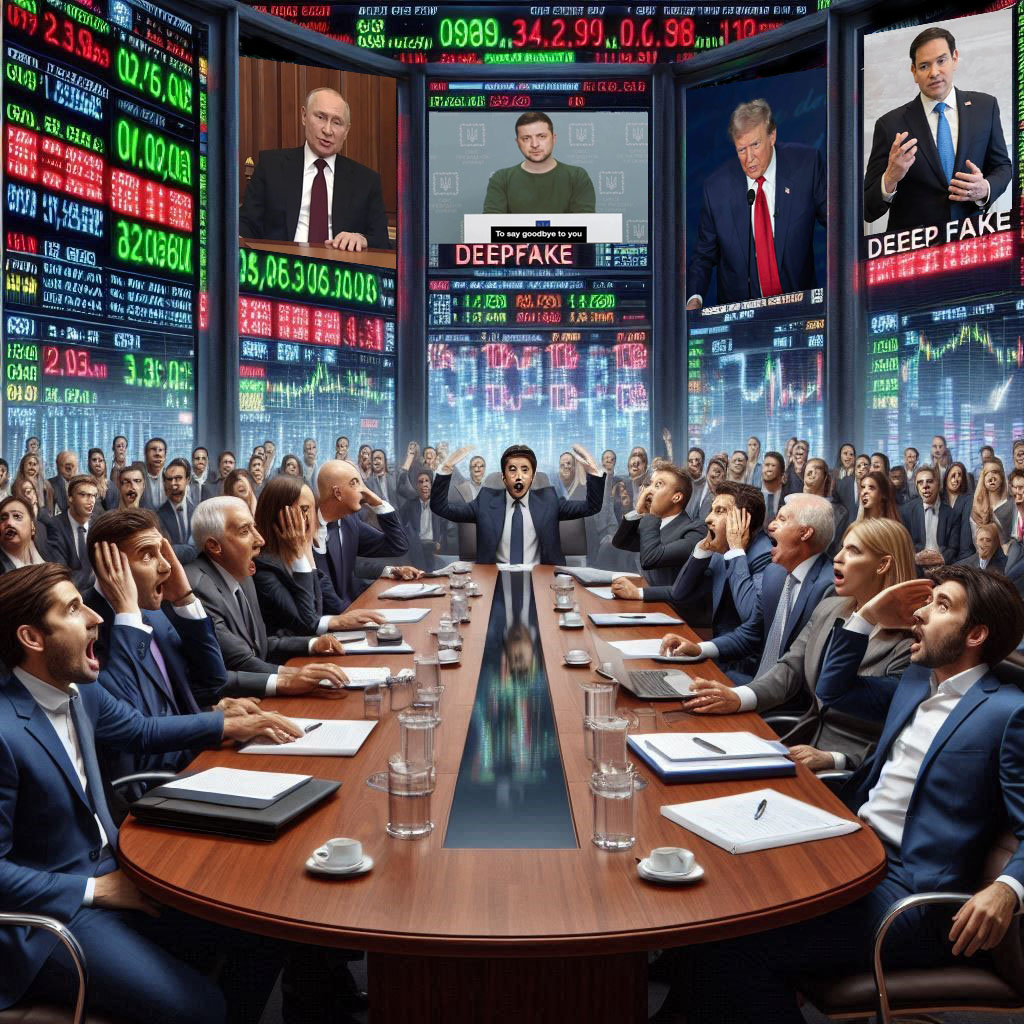
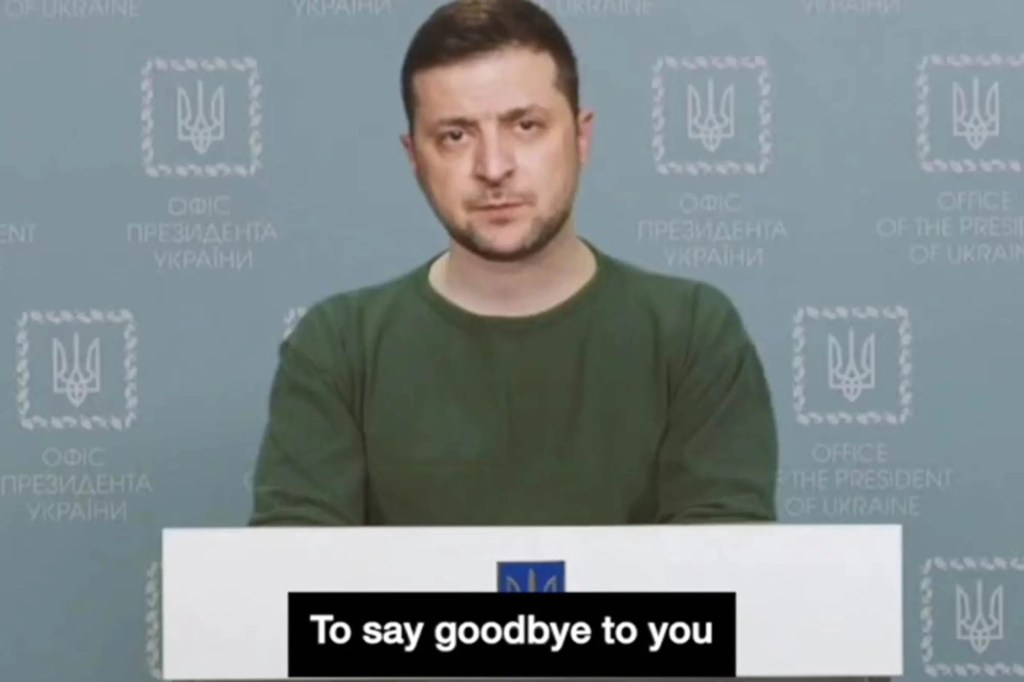
Ukrainian President Volodymyr Zelensky’s Fake Surrender Video (March 2022): Amid the Russia-Ukraine conflict, a deepfake video surfaced depicting President Zelensky urging Ukrainian troops to lay down their arms. This fabricated footage aimed to demoralize Ukrainian forces but was swiftly debunked by Zelensky himself, who reaffirmed his commitment to Ukraine’s defense
Deepfake Robocalls Impersonating President Joe Biden (January 2024): During the New Hampshire Democratic presidential primary, over 20,000 voters received robocalls featuring an AI-generated voice mimicking President Joe Biden, urging them not to vote. This deceptive tactic aimed to suppress voter turnout and manipulate the electoral process. The New Hampshire attorney general deemed these calls a violation of state election laws, leading to investigations into the entities involved


Deepfake Audio Targeting Slovak Politician Michal Šimečka (October 2023): An AI-generated audio clip surfaced, falsely portraying Slovak politician Michal Šimečka discussing election rigging strategies. Released shortly before the national elections, the deepfake aimed to undermine Šimečka’s credibility and influence voter perceptions. The incident highlighted the potential of deepfakes to disrupt democratic processes.
AI-Generated Video of Philippine President Bongbong Marcos (April 2024): A deepfake video emerged depicting President Bongbong Marcos ordering military action in the South China Sea. The fabricated footage heightened regional tensions and raised concerns about the potential for deepfakes to incite international conflicts. The Philippine government swiftly denounced the video, emphasizing the need for vigilance against such disinformation campaigns.

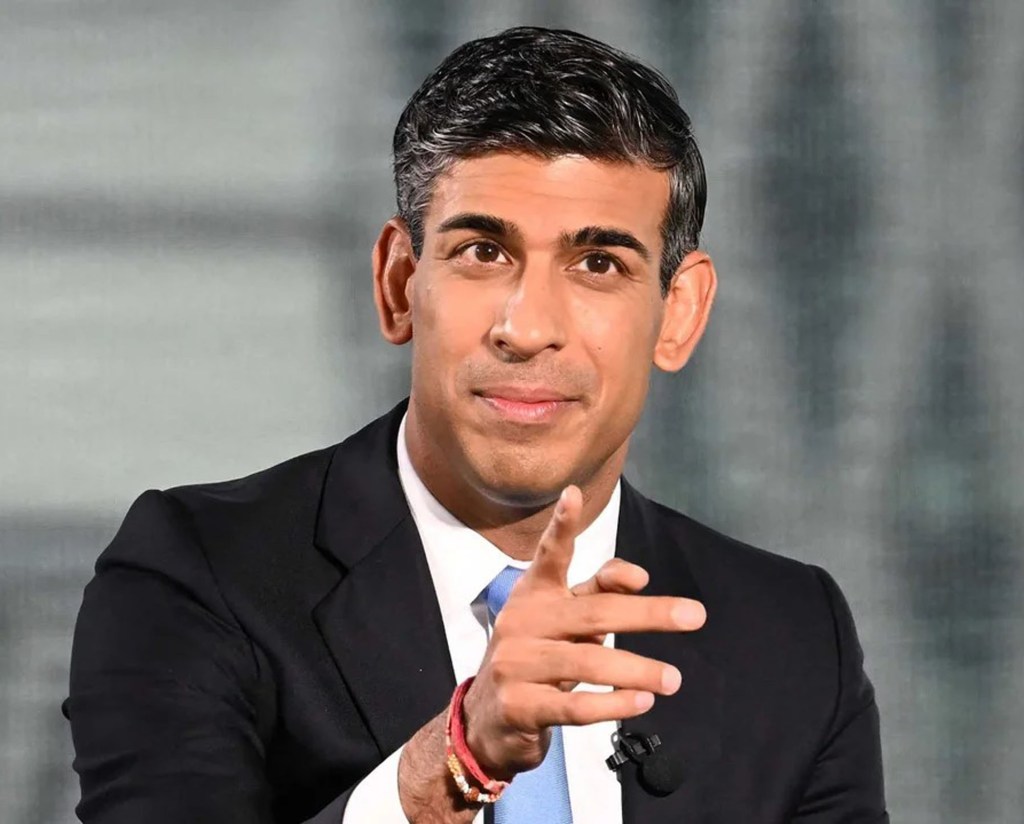
Deepfake Videos Implicating UK Prime Minister Rishi Sunak in Scams (January 2024): Over 100 deceptive video advertisements featuring a deepfake of Prime Minister Rishi Sunak were disseminated on Facebook, reaching approximately 400,000 individuals. These ads promoted fraudulent investment schemes, falsely associating Sunak with endorsements to lend credibility. The incident highlighted the challenges social media platforms face in moderating AI-generated content and the potential for deepfakes to exploit public trust.
AI-Generated Virtual Rally for Imprisoned Pakistani Prime Minister Imran Khan (December 2023): Despite being incarcerated, former Prime Minister Imran Khan appeared to deliver a speech at a virtual rally through AI-generated content. The digital avatar addressed supporters, criticizing political repression and rallying resilience among party members. This innovative use of deepfake technology demonstrated its potential to circumvent restrictions and maintain political engagement


Deepfake Video of Argentine Politician Sergio Massa (2023): During the 2023 Argentine primary elections, a deepfake image depicting candidate Sergio Massa was widely circulated. The fabricated content aimed to discredit Massa and influence voter perceptions. This incident highlighted the emerging role of AI-generated media in political campaigns and the challenges in combating digital disinformation.
Deepfake Video of Gabonese President Ali Bongo (2019): After President Ali Bongo suffered a stroke, a deepfake video was released showing him delivering a New Year’s address. The video was meant to reassure the public about his health but instead raised questions about his well-being and led to an attempted coup. This incident highlighted the potential of deepfakes to destabilize governments during times of uncertainty.


Manipulated Video of U.S. Speaker Nancy Pelosi (2019): A manipulated video of Speaker Nancy Pelosi was circulated, altered to make her appear impaired during a speech. Although not a deepfake in the strictest sense, this incident demonstrated how media manipulation can be used to undermine political figures and spread misinformation
Russian President Vladimir Putin’s Peace Declaration Deepfake (March 2022): A manipulated video emerged showing President Putin announcing peace and ending military actions. This deepfake, intended to mislead viewers about Russia’s intentions, was identified and labeled as manipulated media by social platforms.

Perfect Lies – How AI Can Fabricate Convincing Evidence
In a courtroom, video evidence has long been considered the gold standard—an undeniable, objective record of events. But what happens when artificial intelligence can fabricate that evidence with perfect precision? Deepfake technology has reached a point where it can create entirely false but visually flawless videos of people committing crimes, delivering speeches they never gave, or engaging in acts that never happened. As these digital forgeries become more sophisticated, they threaten the integrity of legal systems, journalism, and national security, making it nearly impossible to separate reality from fiction.

The implications extend far beyond fake news. A deepfake video showing a politician accepting a bribe, an executive engaging in fraud, or a military leader conspiring against their government could have catastrophic consequences—even if the video is proven false. By the time forensic analysts debunk the deception, public trust may already be shattered, riots could have broken out, or financial markets may have plunged. The psychological phenomenon known as the “illusory truth effect” makes this even worse—once people see and believe a piece of misinformation, they are unlikely to change their minds, even when confronted with evidence to the contrary. The damage is often irreversible, giving malicious actors a powerful tool to manipulate entire populations.
Even worse, the mere existence of deepfakes creates a dangerous loophole: the “liar’s dividend.” In a world where anyone can claim a video is fake, legitimate evidence can be dismissed as AI-generated deception. A corrupt leader caught on tape can simply declare the footage to be a deepfake, casting doubt on authentic whistleblower revelations. This erosion of trust in digital evidence doesn’t just create chaos—it provides a perfect shield for criminals, authoritarians, and conspirators to operate with impunity. As AI-generated deception becomes more widespread, society faces a chilling reality: in the battle between truth and fiction, fiction is winning.
The Collapse Scenario – When Governments Fall to AI Deception
What happens when an entire government is brought to its knees by an AI-generated illusion? In an era where perception dictates reality, a single deepfake video of a world leader resigning, declaring war, or suffering a fatal health crisis could trigger mass panic, market crashes, and political upheaval overnight. Unlike traditional forms of disinformation that require careful planning and slow dissemination, deepfakes can spread instantaneously, leaving no time for verification before their effects take hold.
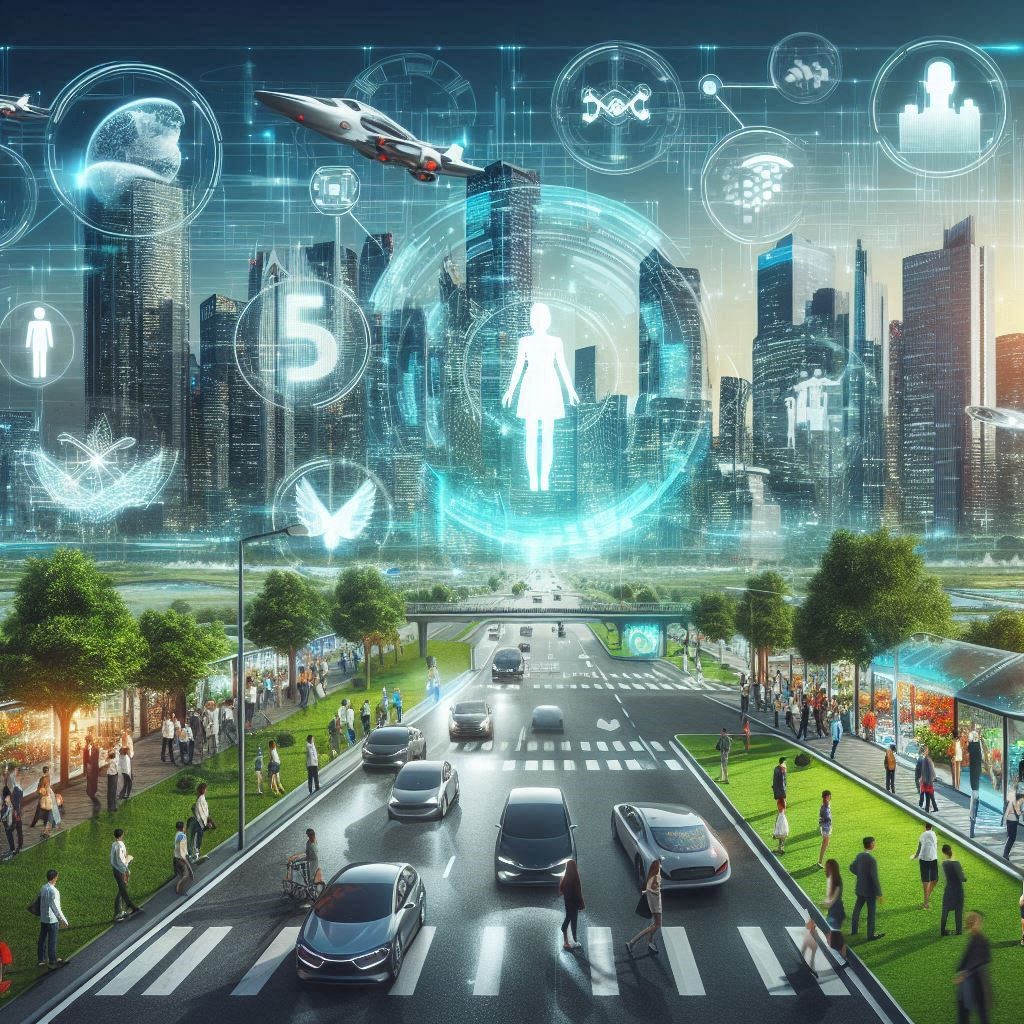
Consider a scenario where an AI-generated deepfake appears online, showing a U.S. president announcing a military withdrawal from a key global conflict zone. Before official sources can respond, troops stationed overseas begin pulling back, allies panic, and adversaries seize the opportunity to advance. Within hours, the fabricated statement has reshaped global security, all without a single shot being fired. In another case, imagine an AI-generated video showing a major head of state accepting bribes from a foreign power. The immediate public outcry leads to mass protests, impeachment proceedings, and a breakdown of governmental stability—all based on a lie too convincing to be dismissed outright.
Governments are woefully unprepared for the speed and scale of deepfake-driven crises. Traditional crisis response mechanisms are built around human-led investigations and slow bureaucratic processes, both of which are no match for the instantaneous virality of AI-generated deception. Even if a deepfake is exposed, the damage it causes in the critical first hours cannot be undone. Without rapid-response AI verification systems, media literacy initiatives, and clear legal frameworks, the world may soon witness its first AI-engineered coup—one where a government falls, not to bullets or bombs, but to a convincingly fabricated illusion.
The Business of Disinformation – Corporate Sabotage with AI
Deepfakes aren’t just a threat to governments—they are a growing weapon in the world of corporate warfare. In a global economy where reputation is everything, a single AI-generated video of a CEO admitting to fraud, a company executive engaging in unethical behavior, or a whistleblower revealing damaging “evidence” can tank stock prices overnight. Competitors, rogue insiders, or politically motivated actors can use deepfake technology to manipulate markets, destroy brands, and create crises out of thin air. As financial markets rely on rapid information flows, deepfakes have the potential to unleash chaos before anyone can verify what is real.

A well-timed deepfake scandal could wipe out billions in market value before the truth comes out. Picture a scenario where, the night before a major tech company’s earnings report, a deepfake surfaces showing the CEO in a compromising situation. Within hours, the company’s stock price plummets, investors panic, and legal teams scramble to disprove the video. Even if it’s revealed as a hoax, the reputational damage lingers, creating lasting uncertainty. Corporate espionage has always been a shadowy game, but AI-powered deception allows bad actors to manufacture corporate crises at unprecedented speed and scale.
Beyond financial sabotage, deepfakes could be used to manipulate employee trust, disrupt corporate leadership, or even blackmail executives into compliance. Malicious AI-generated media can be weaponized against companies in labor disputes, regulatory battles, or hostile takeovers. Governments and regulatory agencies are still catching up to the threat, but the corporate world is already in the crosshairs. The rise of AI-generated disinformation isn’t just a problem for politicians and intelligence agencies—it’s an existential crisis for businesses, investors, and global markets.
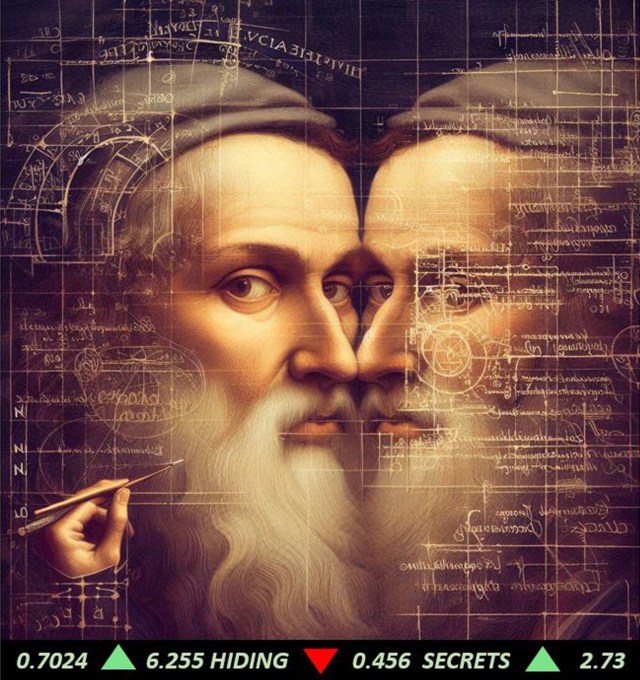
Deepfake Warfare – The Next Battlefield
Modern warfare is no longer just fought with tanks and missiles—it is increasingly waged in the realm of information. Deepfakes represent the next evolution in psychological operations, allowing state and non-state actors to fabricate battlefield conditions, manipulate enemy forces, and erode public support for military campaigns. In a world where AI-generated deception can simulate real-time combat footage, forge diplomatic statements, or impersonate military leaders, the very nature of war is changing. The ability to control perception has always been a strategic advantage, but with deepfakes, perception can now be engineered with surgical precision.

Consider the devastating impact of a deepfake video showing a nation’s military surrendering when no such order was given. If such a clip were widely circulated among soldiers and civilians, morale could collapse instantly, leading to disarray on the battlefield. Similarly, a falsified video of a country’s leader declaring war could force a military response before the deception is uncovered, igniting real-world conflict. These tactics, once limited to misinformation campaigns and cyberwarfare, are now powered by AI, making them nearly impossible to detect in real-time. The threat is no longer hypothetical—militaries around the world are actively studying and countering deepfake-enabled deception strategies.
Beyond traditional warfare, deepfake technology also introduces new challenges for intelligence operations and counterterrorism. Hostile groups can use AI-generated content to radicalize recruits, frame political enemies, or spread false narratives about military operations. Cyber warfare units must now account for AI-driven disinformation in their strategic planning, while allied forces face the constant challenge of verifying the authenticity of battlefield intelligence. As the deepfake arms race continues, nations that fail to adapt will find themselves at a distinct strategic disadvantage. In the wars of the future, the most dangerous weapon may not be a bomb, but a perfectly crafted illusion.
Democracy Under Siege – Election Manipulation in the Age of Deepfakes
Elections are built on trust—trust in candidates, in the voting process, and in the information citizens use to make decisions. But what happens when artificial intelligence can fabricate political scandals, impersonate candidates, and spread disinformation so convincing that voters can no longer tell what’s real? Deepfake technology is rapidly becoming one of the most potent weapons in election interference, allowing foreign adversaries, rogue political operatives, and shadowy interest groups to manipulate public perception on an unprecedented scale. As synthetic media infiltrates the political landscape, democracy itself faces an existential crisis.

Imagine a scenario where, just days before a national election, a video surfaces of a leading candidate making racist remarks, plotting voter suppression, or confessing to a crime. The footage spreads like wildfire across social media, fueling outrage and protests. Even if experts quickly prove it to be a deepfake, the damage is done—millions of voters have already made up their minds. The pace of modern elections, coupled with the virality of online disinformation, makes deepfake attacks particularly effective. By the time fact-checkers respond, the election results could already be swayed by a lie.
Beyond smearing candidates, deepfakes can be used to create confusion about the election process itself. AI-generated voices could spread false voting instructions, mislead citizens about polling locations, or even impersonate election officials to sow chaos. In tightly contested races, the ability to manipulate just a small percentage of the electorate could change the course of history. As political campaigns become an arms race of AI-driven persuasion, deepfake technology threatens to turn democracy into a battleground of artificial illusions. If voters can no longer trust what they see and hear, can free elections truly exist?
The Death of Truth – When Nothing Can Be Proven Real
For centuries, societies have relied on evidence—photographs, video recordings, and eyewitness testimony—to establish the truth. But what happens when artificial intelligence can fabricate all of these with flawless precision? We are rapidly approaching an era where any piece of digital media can be questioned, dismissed, or manipulated beyond recognition. This crisis of credibility doesn’t just affect politics and business—it threatens the very foundations of trust that hold societies together. If nothing can be proven real, then everything becomes suspect.

The implications are staggering. A journalist publishes a bombshell investigative report, complete with video evidence of corruption or human rights abuses—but the accused simply declares it a deepfake. A whistleblower leaks audio recordings of a CEO covering up a dangerous product defect, but the company insists the voices were AI-generated. Courts, historians, and media organizations are left scrambling to authenticate reality in a world where digital forensics are struggling to keep up with ever-improving generative models. As the concept of objective truth erodes, bad actors find themselves with a powerful new tool: plausible deniability.
This phenomenon, known as the “liar’s dividend,” allows real evidence to be dismissed as fake, while actual deepfakes are embraced as truth. When the lines between reality and illusion blur, disinformation campaigns no longer need to convince people of falsehoods—they only need to create doubt. The result is a world where perception becomes infinitely malleable, and those with the most sophisticated AI tools can manipulate the masses at will. If deepfakes continue to advance unchecked, we may find ourselves in a future where truth is no longer determined by facts, but by whoever controls the most convincing illusion.
Fighting Fire with Fire – Can AI Save Us from AI?
As deepfake technology grows more advanced, the battle to defend reality is becoming just as sophisticated. Governments, corporations, and cybersecurity firms are racing to develop AI-driven detection tools capable of identifying synthetic media before it spreads. The irony is inescapable: the best weapon against AI-generated deception may be artificial intelligence itself. But can defensive AI keep up with offensive AI, or are we locked in an endless technological arms race where truth is always one step behind illusion?
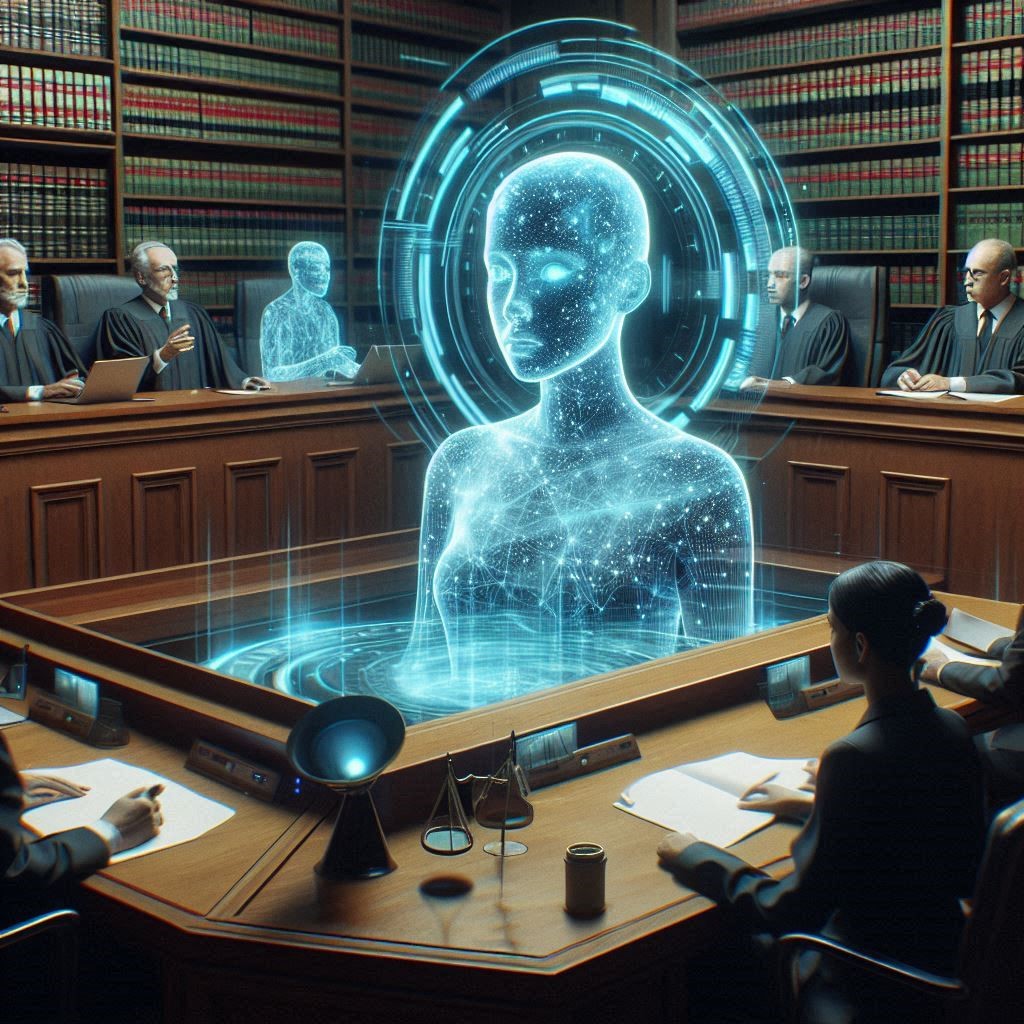
New forensic tools are emerging that analyze subtle artifacts within deepfake videos—minute inconsistencies in facial movements, unnatural blinking patterns, or digital watermarks left behind by generative models. Companies like Microsoft, Adobe, and Google are working on authentication systems that verify the provenance of images and videos, embedding cryptographic signatures to prove their legitimacy. Meanwhile, social media platforms are attempting to implement real-time AI scanning to flag and remove deepfake content before it can go viral. However, the challenge remains: as detection methods improve, so do deepfake generation techniques, making it a continuous game of cat and mouse.
The ethical dilemma is also growing—should governments and private entities have the authority to decide what is real and what is not? Could AI-powered detection systems be weaponized themselves, allowing those in power to label inconvenient truths as fakes? And what about privacy? If AI verification tools become ubiquitous, does that mean every digital interaction must be monitored, logged, and authenticated? The fight against deepfakes is not just a technological battle—it’s a philosophical one, forcing society to redefine how we establish truth in a world where reality can be artificially constructed.
Conclusion: The Future of Reality in the AI Age
We are entering an era where seeing is no longer believing, where artificial intelligence can manufacture deception with surgical precision, and where trust in institutions, evidence, and even our own senses is under siege. Deepfakes are not just a technological curiosity—they are a fundamental threat to truth itself, capable of destabilizing governments, manipulating financial markets, and turning reality into a battleground of competing illusions. In this fight, complacency is not an option. If we fail to develop the safeguards, policies, and awareness necessary to counteract AI-driven disinformation, we risk losing the ability to distinguish fact from fiction altogether.

Top Questions Without Good Answers from the Government
1. Do the Department of Defense, the Department of State, and the intelligence community have adequate information about the state of foreign deep fake technology and the ways in which this technology may be used to harm U.S. national security?
2. How mature are DARPA’s efforts to develop automated deep fake detection tools? What are the limitations of DARPA’s approach, and are any additional efforts required to ensure that malicious deep fakes do not harm U.S. national security?
3. Are federal investments and coordination efforts, across defense and nondefense agencies and with the private sector, adequate to address research and development needs and national security concerns regarding deep fake technologies?
4. How should national security considerations with regard to deep fakes be balanced with free speech protections, artistic expression, and beneficial uses of the underlying technologies?
5. Should social media platforms be required to authenticate or label content? Should users be required to submit information about the provenance of content? What secondary effects could this have for social media platforms and the safety, security, and privacy of users?
6. To what extent and in what manner, if at all, should social media platforms and users be held accountable for the dissemination and impacts of malicious deep fake content?
7. What efforts, if any, should the U.S. government undertake to ensure that the public is educated about deep fakes?.
Sources and Image Credits
{1} Weaponizing Reality: AI-Driven Disinformation in Geopolitics and War. Image Credit: PWK International Advisers 30 March 2025.
{2} In a world where video evidence can no longer be trusted, how do societies determine what is real? The power of deepfakes lies in their ability to manufacture credibility. Image Credit: PWK International Advisers 22 March 2025.
{3} The development of deepfake technology is not happening in isolation—it is an arms race, driven by the competing interests of governments, corporations, and cybercriminals. Image Credits: PWK International Advisers 17 February 2025.
{4} Legends of Air Power. This 2 minute video features the authors experiments with early forms (circa 2022) of artificial neural networks — notably autoencoders and generative adversarial networks (GANs). Image Credits: PWK International Advisers 20 February 2022.
{5} Seeing Isn’t Believing: When AI Creates a World Where Nothing is Real. Image Credit: PWK International Advisers 22 March 2025.
{6} Perfect Lies – How AI Can Fabricate Convincing Evidence. Image Credit: PWK International Advisers 22 March 2025.
{7} The Collapse Scenario – When Governments Fall to AI Deception. Image Credits: PWK International Advisers 17 February 2025.
{8} The Business of Disinformation – Corporate Sabotage with AI. Image Credit: PWK International Advisers 17 March 2025.
{9} Deepfake Warfare – The Next Battlefield. Modern warfare is no longer just fought with tanks and missiles—it is increasingly waged in the realm of information. Deepfakes represent the next evolution in psychological operations, allowing state and non-state actors to fabricate battlefield conditions, manipulate enemy forces, and erode public support for military campaigns. Image Credit: PWK International Advisers 22 March 2025.
{10} Democracy Under Siege – Election Manipulation in the Age of Deepfakes. Image Credit: PWK International Advisers 22 March 2025.
{11} The Death of Truth – When Nothing Can Be Proven Real. Image Credits: PWK International Advisers 17 February 2025.
{12} New forensic tools are emerging that analyze subtle artifacts within deepfake videos—minute inconsistencies in facial movements, unnatural blinking patterns, or digital watermarks left behind by generative models. Image Credit: PWK International Advisers 30 March 2025.
{13} Winning Wars with Data | Command and Control in the Age of AI – The modern battlefield is no longer just about tanks, planes, and ships — it is a data-driven domain where speed, precision, and connectivity determine victory. Posted on March 20, 2025 by David Tashji
{14} Data Center Warfare | The Race to Data Supremacy As global conflicts increasingly hinge on data, nations that can control and process information at scale are poised to hold significant power. The ability to gather, analyze, and distribute data rapidly and accurately has emerged as a critical strategic advantage, particularly in military and geopolitical contexts. In a world where decision-making is powered by vast datasets, the race to dominate data is intensifying. Posted on December 9, 2024 by David Tashji
{15} Unseen Eyes | The Rise of Artificial Super Intelligence In the ever-evolving arena of the business of government, the advent of artificial super-intelligence (ASI) promises to be a game-changer. As we stand on the cusp of a new technological revolution, the integration of super-intelligent AI into the espionage toolkit is set to redefine the rules of engagement, offering unparalleled capabilities that could tip the balance of power in unforeseen ways. Posted on May 24, 2024 by David Tashji
{16} Deep Fakes and National Security CRS Report Background and issues for members of Congress. “Deep fakes”—a term that first emerged in 2017 to describe realistic photo, audio, video, and other forgeries generated with artificial intelligence (AI) technologies—could present a variety of national security challenges in the years to come. As these technologies continue to mature, they could hold significant implications for congressional oversight, U.S. defense authorizations and appropriations, and the regulation of social media platforms. Referenced legislation PL-116-258 PL 116-283. Authors: Harris, Laurie A, Sayler, Kelley M. 17 April 2023.
{17} Our un-biased report mentions numerous innovators and their specific algorithmic warfare powered technological surprise and decision advantage code & trade craft. All registered trade marks and trade names are the property of the respective owners.
Additional Information:

About PWK International Advisers
PWK International provides national security consulting and advisory services to clients including Hedge Funds, Financial Analysts, Investment Bankers, Entrepreneurs, Law Firms, Non-profits, Private Corporations, Technology Startups, Foreign Governments, Embassies & Defense Attaché’s, Humanitarian Aid organizations and more.
Services include telephone consultations, analytics & requirements, technology architectures, acquisition strategies, best practice blue prints and roadmaps, expert witness support, and more.
From cognitive partnerships, cyber security, data visualization and mission systems engineering, we bring insights from our direct experience with the U.S. Government and recommend bold plans that take calculated risks to deliver winning strategies in the national security and intelligence sector. PWK International – Your Mission, Assured.


















 pwkinternational.com
Pingback: The Greatest Art Heist in History |
Pingback: Algorithmically Boosted Chaos |