

The modern battlefield has been transformed by the rise of unmanned aircraft systems, or drones. In January 2024, a drone strike on a U.S. base in Jordan claimed the lives of three servicemembers and wounded many others—a stark example of how these small yet potent systems are reshaping warfare. This event, among others, has spurred U.S. policymakers to reexamine the threat landscape and devise innovative countermeasures to protect military personnel and critical assets, both at home and overseas.
As drones have become more ubiquitous and affordable, they now serve a variety of hostile functions, ranging from surveillance to direct kinetic attacks. Their small size, high speed, and agility mean that traditional air defense systems are often inadequate against these low-flying threats. The growing sophistication of these systems has forced the Department of Defense (DOD) to reconsider both its technological and strategic approaches to countering UAS.
This report aims to examine the multifaceted response to the drone threat. It explores how DOD policies have evolved to integrate advanced detection and defense systems while emphasizing the importance of coordination among military services. By analyzing legislative initiatives, organizational reforms, and emerging technologies, we paint a comprehensive picture of how the nation is preparing to safeguard its forces in an era when the skies are increasingly contested.
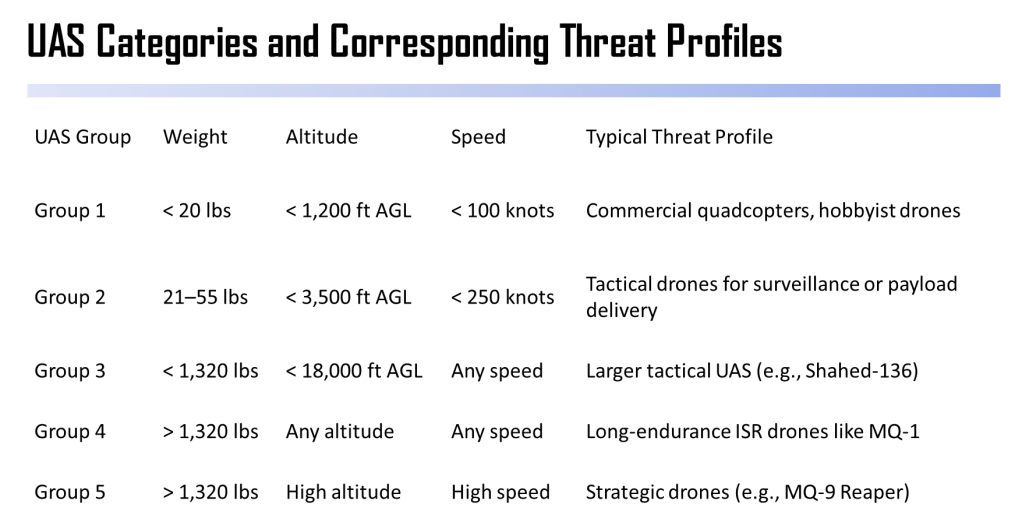
The Evolving Drone Threat Landscape
The drone threat landscape is marked by rapid technological advancement and widespread proliferation. Small, low-cost drones can be produced and deployed quickly, which presents a formidable challenge in terms of both detection and response. Adversaries—from state actors to nonstate groups—have seized upon these capabilities to carry out surveillance, attacks, and even swarm tactics, turning the drone into an effective tool of modern warfare.

This surge in drone activity has not only changed the tactics on the battlefield but has also highlighted gaps in existing defense measures. Traditional air defense systems, designed for high-speed, manned aircraft, struggle to intercept these nimble, low-altitude threats. The report documents several incidents that underscore how adversaries can exploit these vulnerabilities, with drones being used in both offensive and defensive roles in contested environments.
Beyond the battlefield, drones have also been detected near domestic military installations, raising concerns about potential intrusions into U.S. airspace. The challenge is compounded by regulatory and legal restrictions on countermeasures, particularly within the United States, where safety and privacy concerns limit the scope of active defense. As a result, the evolving nature of the drone threat demands not only technical innovation but also a rethinking of legal and operational frameworks.
Drone
Attacks
That
Changed
Everything
Abqaiq–Khurais Attack (Saudi Arabia, September 2019):
Drones and cruise missiles struck Saudi Aramco’s Abqaiq and Khurais oil facilities, temporarily halving Saudi Arabia’s oil production; the attack, attributed to Iran-backed Houthi rebels, exposed vulnerabilities in global energy infrastructure.
Assassination of Qassem Soleimani (Baghdad, January 2020):
A U.S. MQ-9 Reaper drone launched a precision strike that killed Iranian General Qassem Soleimani outside Baghdad Airport, escalating U.S.–Iran tensions and marking one of the most high-profile targeted killings in drone warfare history.
Azerbaijan-Armenia Nagorno-Karabakh War (Fall 2020):
Azerbaijan’s use of Turkish Bayraktar TB2 drones and Israeli loitering munitions devastated Armenian armored formations and air defenses, turning the tide of the war and establishing drones as decisive battlefield tools.
Drone Swarm Attack on Russian Oil Refinery (Krasnodar Krai, June 2023):
A Ukrainian drone swarm damaged a major Russian oil refinery, sparking fires and halting output; the attack showcased Kyiv’s use of asymmetric, long-range drone capabilities to strike deep into Russian infrastructure.
Jordan Tower 22 Attack (January 2024):
A one-way attack drone believed to be of Iranian origin killed three U.S. servicemembers at a base in Jordan, the first fatal drone strike on U.S. forces in the region during the Israel–Hamas conflict spillover, raising U.S. force protection concerns.
Attack on the Kremlin Dome (Moscow, May 2023):
A small drone detonated above the Kremlin’s Senate dome in a symbolic nighttime strike; though damage was minimal, the psychological and propaganda effects were significant, highlighting Russia’s vulnerability to drone incursions.
ISIS Drone Attacks in Mosul (2017):
ISIS weaponized off-the-shelf drones in Mosul to drop grenades on Iraqi and coalition forces; though low-tech, this marked a turning point in nonstate actors using drones in urban combat with deadly results.
Ukrainian Naval Drone Attack on Russian Warships (Crimea, October 2022):
A combined surface drone and aerial drone assault damaged Russian naval vessels in Sevastopol harbor, disrupting Black Sea Fleet operations and demonstrating the tactical fusion of unmanned surface and aerial assets.
Targeted Drone Killings by Turkish Drones in Syria and Iraq (2018–2023):
Turkey’s Bayraktar TB2 drones have been used to systematically target Kurdish militant leaders across borders, often in hard-to-reach terrain, transforming counterinsurgency operations in the region.
Drone-Assisted Assassination Attempt on Venezuelan President Nicolás Maduro (Caracas, August 2018):
Explosive-laden drones were used in an attempted assassination of Maduro during a public speech; though unsuccessful, the incident raised alarms globally about the use of commercial drones for political violence.
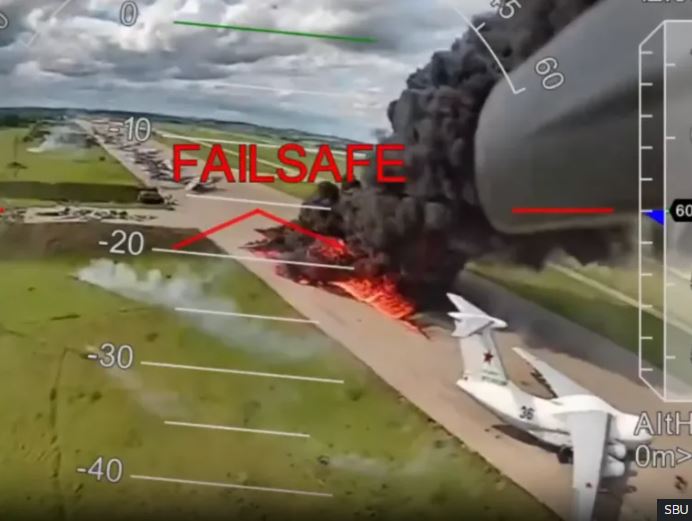
Ukrainian Drone-Truck Attacks on Russian Airfields (Summer 2025):
Ukraine launched long-range drone strikes using modified commercial trucks equipped with launch rails to carry and deploy large fixed-wing drones targeting Russian military airfields deep inside Russia, including sites in Pskov, Engels, and Kursk. These attacks damaged strategic bombers and logistical infrastructure, demonstrating Ukraine’s ability to innovate beyond front-line warfare and strike high-value assets over 700 kilometers away.
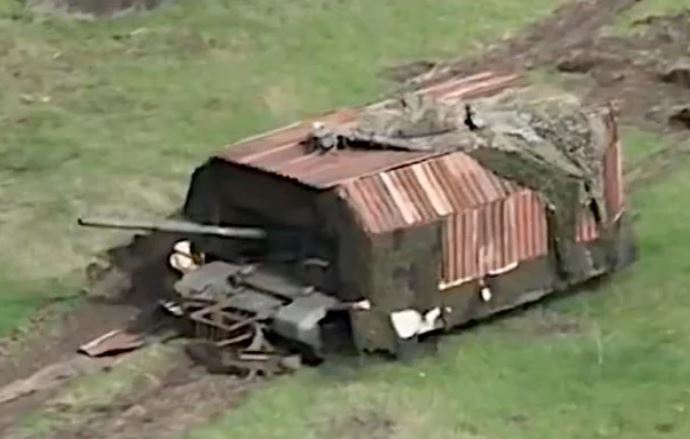
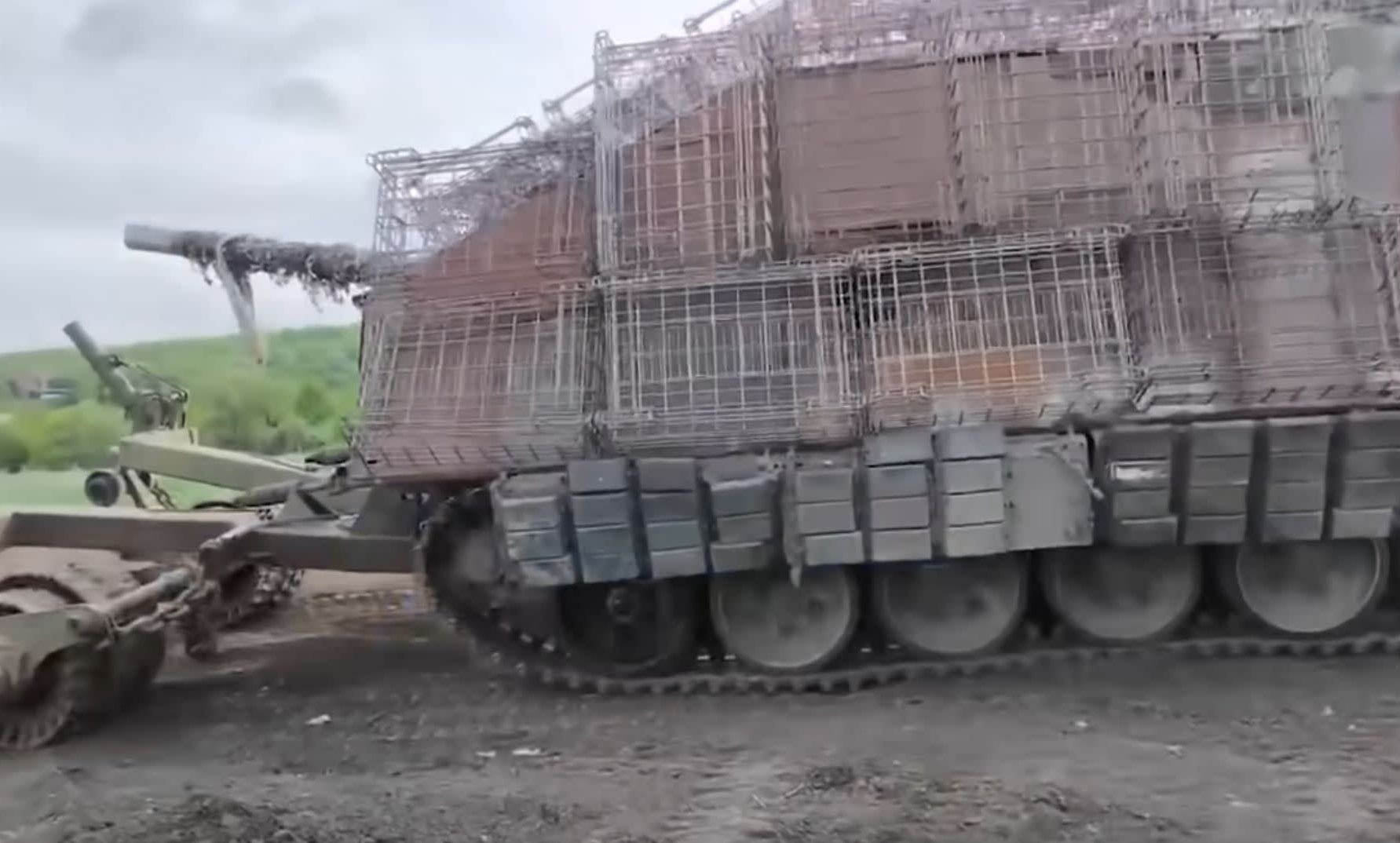
CAPTION: Some Ukrainian drone operators are slamming thermite-spewing “dragon drones” onto Russian turtle tanks in order to burn through the extra armor with molten incendiary burning as hot as 5,000 degrees Fahrenheit.

Source: Ukrainian Center for Defense Strategies, the 28th Mechanized Brigade and the Phoenix Group.
DOD’s Strategic Response to UAS
In response to the rising drone threat, the DOD has adopted a comprehensive and unified strategy to counter unmanned systems. The 2024 strategy—crafted to unify the Department’s approach—places a strong emphasis on both detection and active as well as passive defense measures. This strategic pivot signals a shift from reactive to proactive measures, with a focus on layered defenses that can address threats at various ranges and altitudes.
Central to the strategy is the development of capabilities that blend kinetic interceptors with electronic warfare systems. By combining these different forms of countermeasures, the DOD aims to create overlapping layers of protection that increase the odds of neutralizing a threat before it can cause harm. This integrated approach is designed not only to safeguard U.S. forces deployed overseas but also to protect domestic military installations from potential incursions.
Moreover, DOD’s strategy emphasizes the importance of rapid adaptation and continuous improvement. As new drone technologies emerge and adversaries refine their tactics, the DOD is committed to reassessing its defenses, investing in research and development, and iterating on its existing systems. This dynamic approach is seen as essential for maintaining a technological edge in an environment where innovation by potential adversaries is relentless.
Organizational Initiatives and Inter-Service Coordination
To effectively counter the complex threat posed by drones, DOD has restructured and centralized many of its counter-UAS efforts. The establishment of the Joint Counter-Small UAS Office (JCO) has been a cornerstone of this effort. Tasked with harmonizing doctrine, requirements, and training across the Army, Marine Corps, Navy, and Air Force, the JCO has become the focal point for counter-drone innovation and integration.
However, the path to effective inter-service coordination has not been without challenges. Differences in operational culture, existing legacy systems, and competing priorities have occasionally slowed the pace of integration. Despite these hurdles, ongoing exercises, joint training initiatives, and cross-service collaboration efforts have significantly improved coordination and paved the way for more unified counter-UAS capabilities.
The move towards a more centralized and cohesive structure is also reflected in legislative actions and budgetary provisions. Congress has underscored the need for improved coordination among the services by directing the DOD to assess and report on the adoption and integration of counter-UAS systems. These measures ensure that the efforts are not just technological but are supported by the necessary organizational reforms and resource allocations to sustain long-term progress.

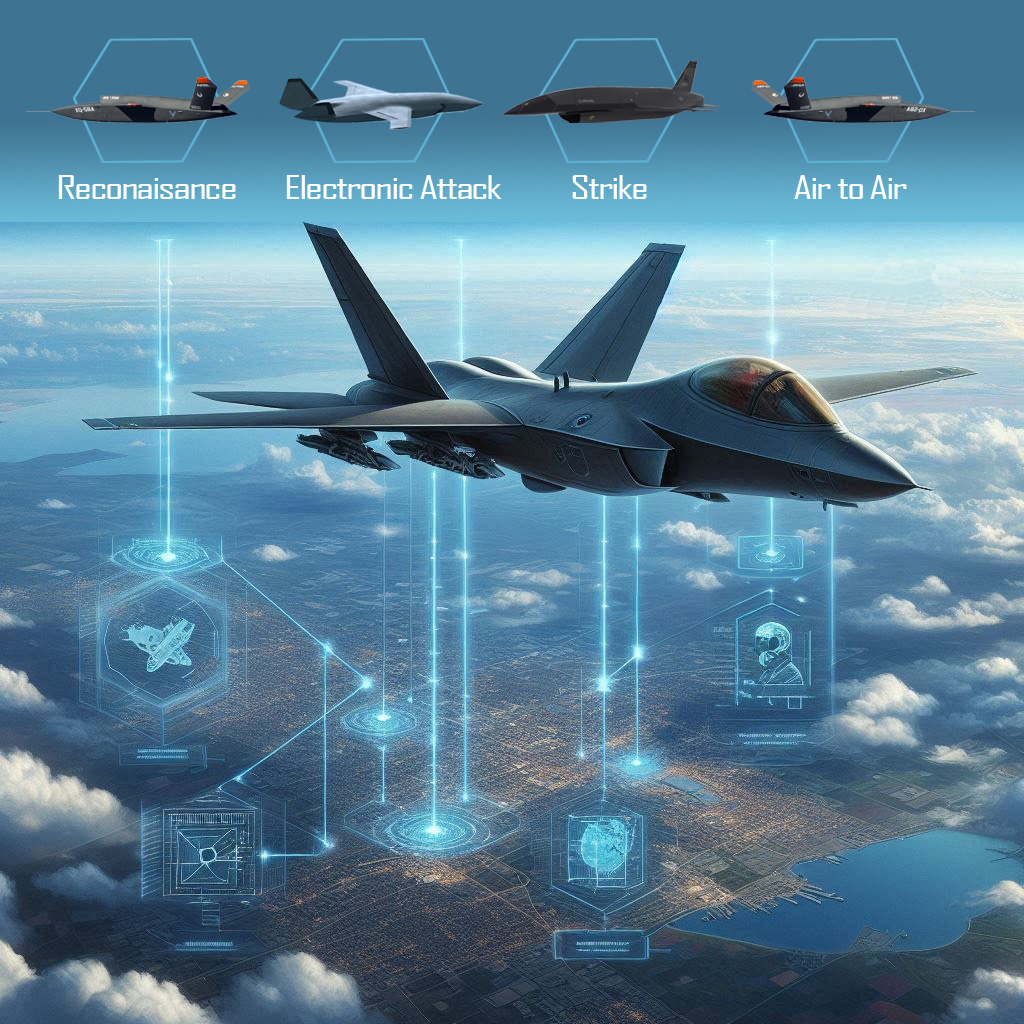
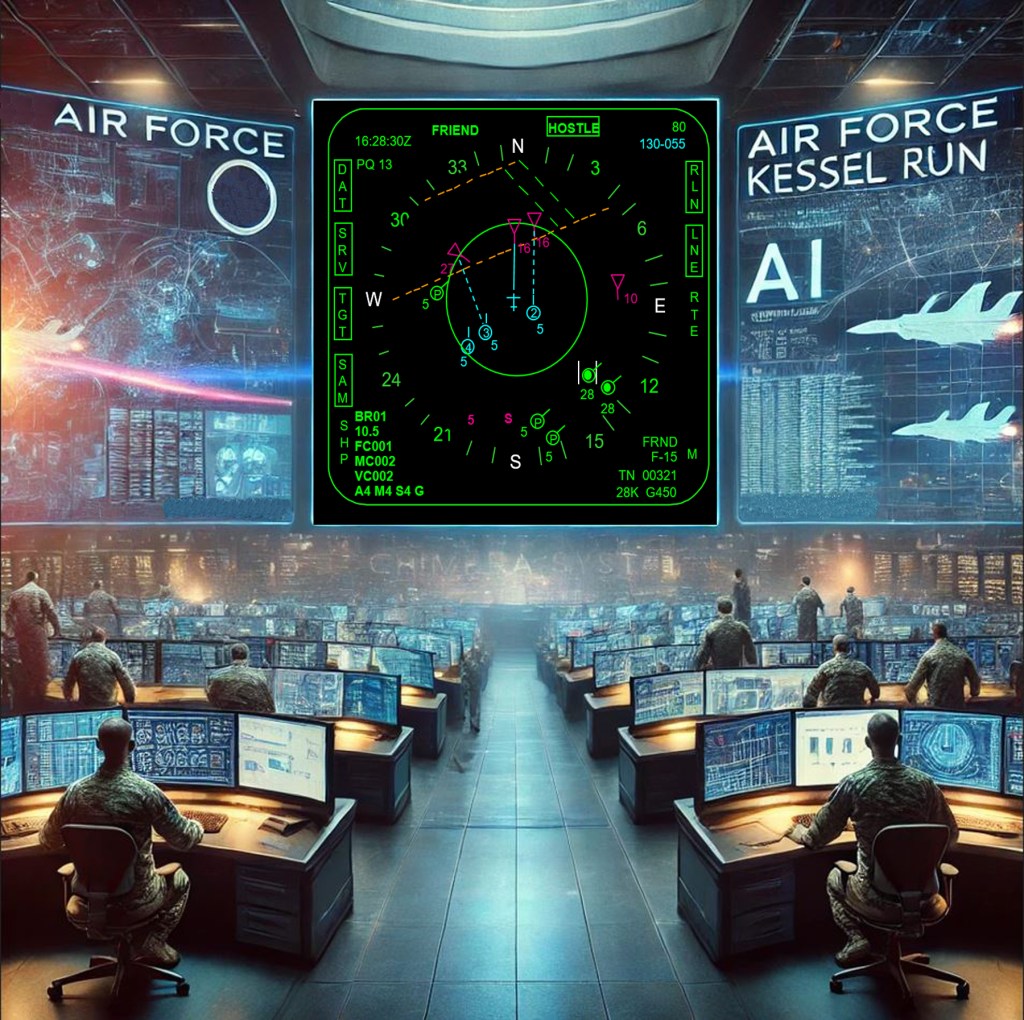
Caption: Chart depicts the impact of automation in advanced kill chains like JADC2 and Maven.

Source: PWK International Advisers
Technological Solutions and Layered Defense
The technological response to the drone threat is multifaceted, drawing on both kinetic and nonkinetic measures. One of the most prominent solutions is the Low, Slow, Small UAS Integrated Defeat System (LIDS), which comes in both fixed and mobile variants. These systems incorporate advanced radar, electro-optical sensors, and integrated command-and-control interfaces, allowing for a rapid and effective response to low-altitude threats.
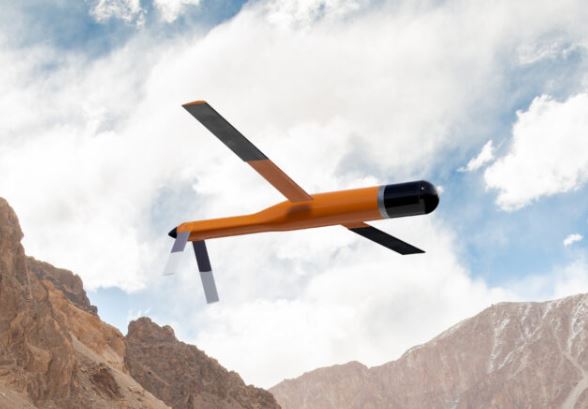
In addition to LIDS, the report details enhancements to legacy systems such as the Stinger missile. Projects like the Next-Generation Short-Range Interceptor (NGSRI) and the eXtended Range Counter-sUAS Missile (XRC) are underway, aimed at replacing or supplementing current capabilities with systems that offer improved range and precision. These advancements are part of a broader move toward a “layered defense” strategy—deploying multiple systems to engage and neutralize drones at various points of the engagement.
Electronic warfare also plays a critical role in the defense against drones. Systems like the Drone Restricted Access using Known Electromagnetic Warfare (DRAKE) and the Air Force’s NINJA system offer nonkinetic means to disrupt drone communications and control links. By integrating these systems with kinetic interceptors, the DOD is able to form a robust, multifaceted defense that can adapt to different operational scenarios and threat profiles.
Counter-UAS Systems in Use by the U.S. and Allies (2025)

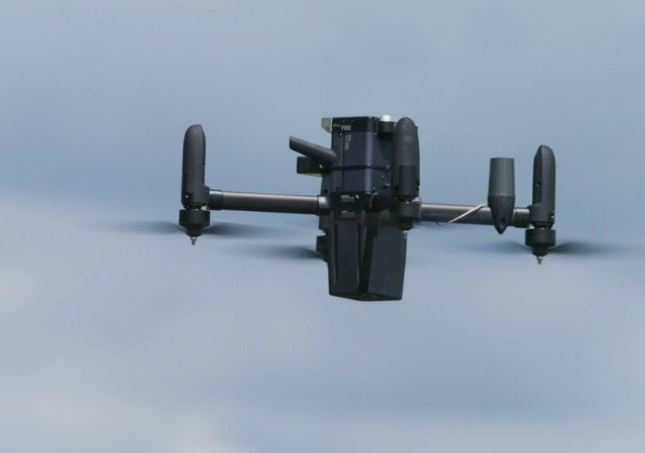
Anduril Industries, headquartered in Irvine, California, manufactures the Anvil counter-UAS system—a kinetic interceptor drone powered by artificial intelligence. Designed for autonomous engagements, Anvil uses sensor fusion and real-time targeting to neutralize small unmanned aircraft threats before they reach their objectives.
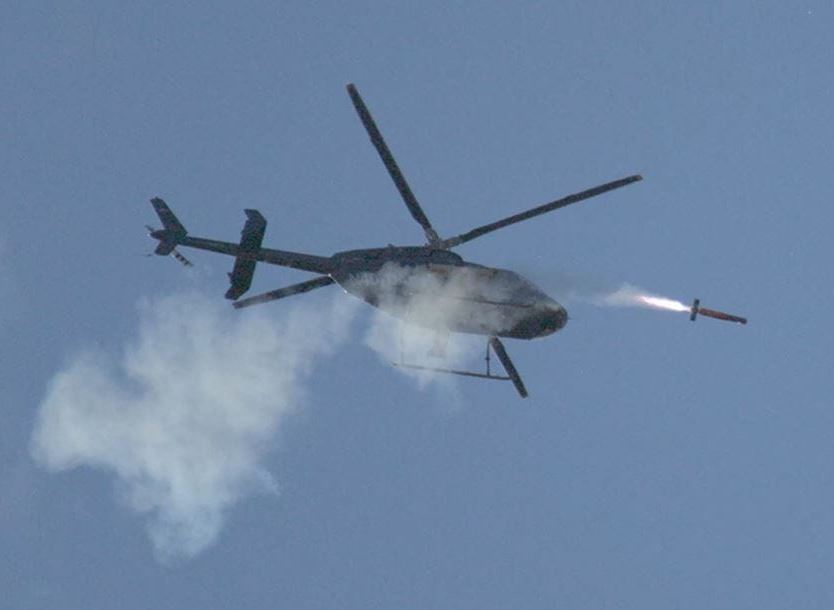
Raytheon Technologies, based in Waltham, Massachusetts, produces the Coyote Block 2+ interceptor as part of its integrated counter-UAS solution. This system combines radar, electro-optical sensors, and kinetic defeat capabilities, and is effective against Groups 1–3 drones in both swarming and single-threat scenarios.
Lockheed Martin, located in Bethesda, Maryland, offers the MORFIUS high-powered microwave system, designed to disable multiple small drones at once using directed energy. It integrates with existing command-and-control platforms to provide mobile, scalable drone defense across air, land, and sea environments.
Northrop Grumman, based in Falls Church, Virginia, supports counter-UAS operations through its Forward Area Air Defense (FAAD) C2 system, often paired with kinetic options like the 30mm Bushmaster cannon. The system provides a layered defense architecture that integrates radar tracking and rapid-response intercept capabilities.
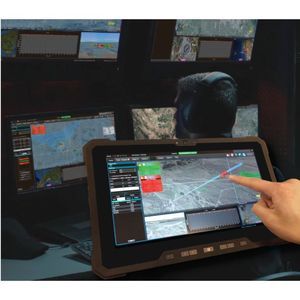
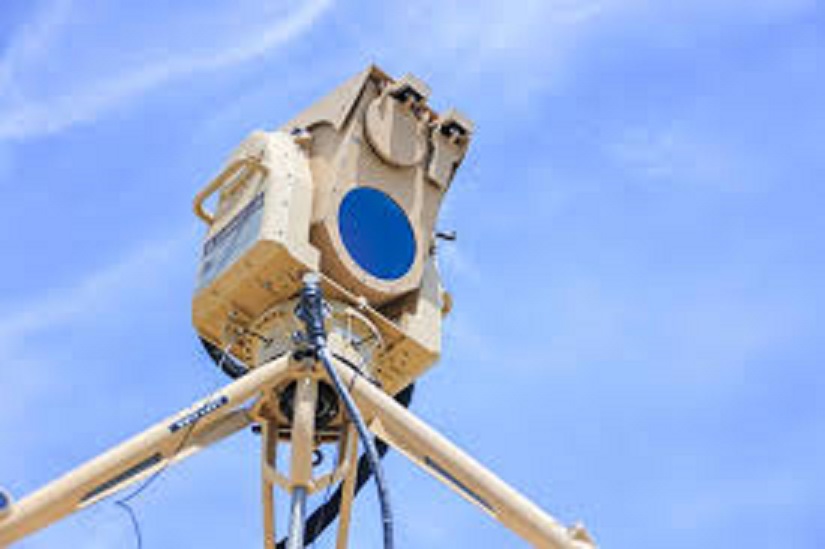
Boeing Defense, headquartered in Arlington, Virginia, developed the Compact Laser Weapon System (CLWS), a portable, scalable directed-energy weapon that delivers silent, precise drone defeat. It has been fielded by the U.S. military for defense of critical infrastructure and forward-operating bases.
Rafael Advanced Defense Systems, located in Haifa, Israel, created the Drone Dome system, a fully integrated counter-UAS platform that merges radar, electro-optical sensors, laser interceptors, and radio frequency jammers. It has been widely deployed to defend urban and military installations from small drone incursions.


Elbit Systems, another leading Israeli defense company, offers the ReDrone system, which specializes in electronic warfare-based mitigation. ReDrone passively detects and classifies drone signals and neutralizes threats through targeted signal disruption, making it suitable for civilian and military use alike.
Rheinmetall, based in Düsseldorf, Germany, designed the Skyranger 30 system as a mobile short-range air defense platform that uses a 30mm autocannon and advanced sensors to intercept aerial threats. It is built on an armored vehicle chassis and can deploy rapidly to protect high-value targets from drone swarms.


Thales Group, headquartered in Paris, France, developed the Gecko counter-UAS system for critical infrastructure defense, combining radar surveillance, electro-optical tracking, and kinetic or electronic defeat options. It is modular, transportable, and easily integrated into existing command networks.
Dedrone, based in San Francisco, California, created the DedroneTracker.AI platform, which uses artificial intelligence, RF sensors, and 3D mapping to detect, classify, and track drones in real time. The system is cloud-connected and scalable, making it popular with both military and homeland security users.
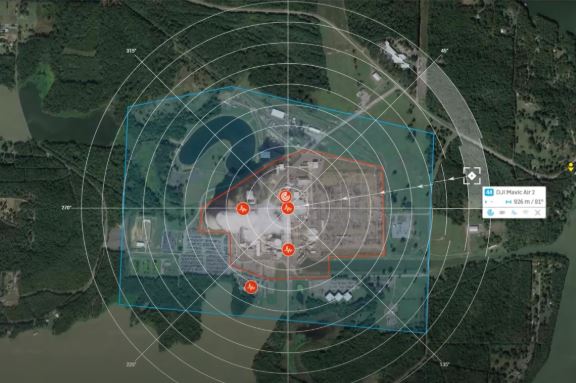

SAIC, in partnership with SRC Inc., delivers the Counter-UAS Electronic Warfare System (CUAEWS), which is commonly integrated with the U.S. Army’s Mobile-LIDS platform. This system fuses radar, jamming, and directional antennas to disrupt drones mid-flight using modular, adaptable payloads.
QinetiQ, a British defense firm based in Farnborough, developed the Obsidian counter-drone system, which provides real-time visual and RF-based drone tracking. It supports military base defense and VIP protection through automated alerting and optional jamming integration.
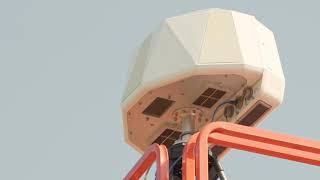

Leonardo, headquartered in Rome, Italy, offers the Falcon Shield system, which integrates radar, electronic warfare, optical tracking, and kinetic countermeasures. Its multi-layered design enables flexible deployment across military bases, airports, and mobile platforms.
MBDA, a European missile consortium based in France and Germany, developed the Enforcer missile and its associated C-UAS configurations. These lightweight, precision-guided weapons can be mounted on vehicles or used by infantry to destroy drone targets at short ranges.

NOTE: Our un-biased report includes mention of numerous drone technology enterprises and their battlefield surprise innovations. All registered trade marks and trade names are the property of the respective owners.
Legislative and Budgetary Influences
Legislative oversight has been instrumental in shaping the DOD’s counter-UAS strategy. In recent years, Congress has taken a keen interest in ensuring that the Department not only develops advanced counter-drone technologies but also allocates the necessary funds to sustain them. Provisions in the FY2025 National Defense Authorization Act have provided explicit directives and funding authorizations aimed at enhancing DOD’s counter-UAS capabilities.
These legislative measures have also sought to address the legal and regulatory challenges associated with countering drones on U.S. soil. For example, statutory limitations and interagency coordination issues have been highlighted in congressional reports, prompting efforts to expand DOD’s domestic authority. Such initiatives ensure that the military can operate within a clear legal framework while pursuing rapid technological innovation.
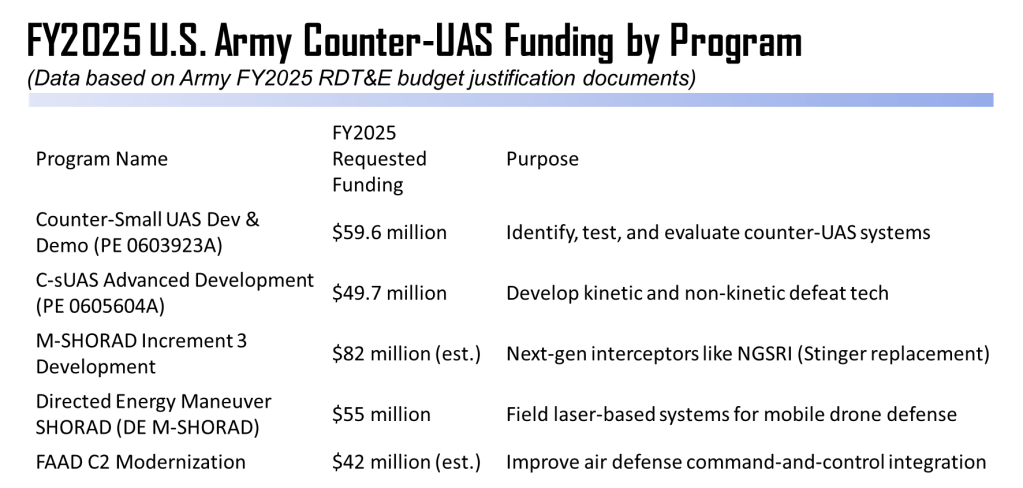
Budgetary allocations play a vital role in driving these technological advancements and organizational reforms. With targeted investments in research, development, test, and evaluation (RDT&E) programs, the DOD is better positioned to field next-generation counter-UAS systems. Funding directives not only support the immediate need for advanced defenses but also signal a long-term commitment to maintaining a technological edge in an evolving threat landscape.

Funding
For CUAS
Research
Programs
Counter-Small Unmanned Aerial Systems Development & Demonstration (PE 0603923A):
Funded by the U.S. Army, this initiative supports prototyping and field experiments to rapidly identify, integrate, and demonstrate emerging C-UAS technologies across kinetic, non-kinetic, and electronic warfare domains.
Next-Generation Short Range Interceptor (NGSRI):
Managed by the Army’s Program Executive Office Missiles and Space, NGSRI is a major effort to replace the legacy Stinger missile with a more precise, longer-range interceptor tailored for drone defense in layered air defense networks.
Directed Energy Maneuver-Short Range Air Defense (DE M-SHORAD):
Backed by the Army Rapid Capabilities and Critical Technologies Office, this program is developing mobile laser weapon systems to counter drones and artillery threats in real time from Stryker vehicles.
Joint Counter-small Unmanned Aircraft Systems Office (JCO) Rapid Prototyping Projects:
Sponsored by the Office of the Secretary of Defense, JCO’s research portfolio focuses on fielding and testing systems like the Low, Slow, Small UAS Integrated Defeat System (LIDS), advancing joint integration and interoperability.
C-UAS Electronic Warfare System (CUAEWS):
Developed under Army RDT&E funding, CUAEWS explores modular jamming and signal disruption technologies to be mounted on Mobile-LIDS platforms, capable of detecting and neutralizing drone control signals in dense environments.
High-Powered Microwave Science & Technology Research (AFRL):
Led by the Air Force Research Laboratory, this program investigates high-powered microwave technologies for neutralizing drone swarms, contributing to systems like THOR (Tactical High Power Operational Responder).
Naval Surface Warfare Center Dahlgren’s Counter-UAS Systems Integration Lab:
Sponsored by the Navy, this lab supports C-UAS system integration and testing efforts including radar fusion, kill-chain analysis, and electronic warfare effects evaluation for shipborne and expeditionary forces.
Project Skywatch (SOCOM):
A Special Operations Command (SOCOM) initiative focused on compact, modular counter-drone systems for use in austere environments. Research includes portable jamming tools, acoustic detection, and AI-enabled surveillance cueing.
Air Force Research on AgilePod C-UAS Payloads:
AFRL’s AgilePod platform is being adapted to host counter-UAS sensor suites, integrating EO/IR and SIGINT tools for persistent detection and engagement of small drones from crewed or autonomous aircraft.
Test Resource Management Center’s Counter-UAS Test Ranges:
Funded jointly by the DoD and services, these test ranges provide real-world environments for assessing the performance of counter-UAS systems against swarms, stealth drones, and multi-domain attacks, ensuring systems are validated before deployment.
Final Thoughts
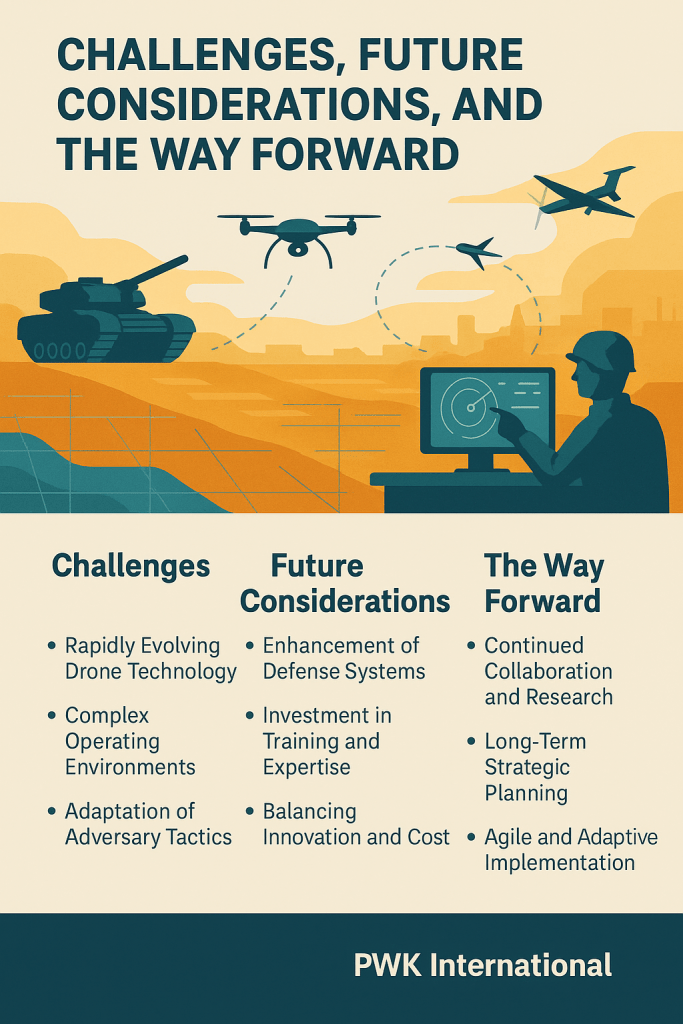
Despite significant advancements, several challenges remain in the fight against the drone threat. One of the foremost issues is the pace at which adversaries are innovating. As enemy capabilities continue to evolve, there is a constant need for the DOD to update its systems, conduct rigorous testing, and integrate emerging technologies into its defense architecture. This relentless technological race requires not only robust RDT&E programs but also agile decision-making processes.
Another significant challenge is ensuring that counter-UAS systems are effectively integrated into broader military operations. The report points to coordination issues among the military services and the need for enhanced training and force structure adjustments. Embedding counter-UAS capabilities at lower echelons and across all relevant units is crucial for a comprehensive defense strategy. Future efforts will need to focus on decentralizing these capabilities so that every unit is prepared to respond to an imminent drone threat.
Looking ahead, the path forward lies in sustained innovation and enhanced interagency collaboration. As new threats emerge, continuous improvements in both hardware and software will be essential. By fostering a culture of rapid adaptation, bolstering training programs, and ensuring that legislative support remains strong, the DOD can stay ahead of the curve. This proactive approach will be critical in not only neutralizing current threats but also in preparing for the future of drone warfare.
6 Top Takeaways
Emerging Threats: Drones have evolved from simple surveillance tools to sophisticated weapons systems, posing significant risks to military personnel and critical installations.
Organizational Reform: The establishment of the Joint Counter-Small UAS Office (JCO) underscores the need for enhanced inter-service coordination and streamlined operations.
Technological Innovation: Advanced systems like LIDS, enhanced Stinger variants, and electronic warfare tools are central to DOD’s counter-UAS capabilities.
Legislative Support: Congressional initiatives and targeted budgetary allocations have been key drivers in the rapid development and fielding of counter-drone technologies.
Future Preparedness: Continuous adaptation, enhanced training, and decentralized force structures are essential for staying ahead of rapidly evolving drone threats.
Conclusion

In a world where drones are rapidly transforming the nature of conflict, the U.S. Department of Defense is redefining its approach to national security. By embracing a layered defense strategy that integrates advanced technology, comprehensive training, and strong legislative backing, the DOD is taking decisive steps to counter the evolving threat posed by unmanned aircraft systems. Despite the challenges of rapid innovation and inter-service coordination, the nation’s commitment to staying ahead of adversaries remains resolute.
The multifaceted response outlined in the report—spanning organizational reforms, technological breakthroughs, and legal frameworks—demonstrates that the U.S. is not only reactive to current challenges but is also preparing for the future. As adversaries continue to innovate, sustained investment in research, robust training programs, and agile decision-making will be the cornerstones of an effective counter-UAS strategy.
Ultimately, the proactive measures undertaken today are designed to ensure that the nation’s defenses remain strong in an increasingly contested aerial domain. With a clear vision, targeted funding, and a culture of continuous improvement, the U.S. military is well positioned to protect its assets and maintain operational superiority in the face of emerging drone threats.
Additional Information
About PWK International Advisers
PWK International provides national security consulting and advisory services to clients including Hedge Funds, Financial Analysts, Investment Bankers, Entrepreneurs, Law Firms, Non-profits, Private Corporations, Technology Startups, Foreign Governments, Embassies & Defense Attaché’s, Humanitarian Aid organizations and more.
Services include telephone consultations, analytics & requirements, technology architectures, acquisition strategies, best practice blue prints and roadmaps, expert witness support, and more.
From cognitive partnerships, cyber security, data visualization and mission systems engineering, we bring insights from our direct experience with the U.S. Government and recommend bold plans that take calculated risks to deliver winning strategies in the national security and intelligence sector. PWK International – Your Mission, Assured.


















 pwkinternational.com